Signia by Hilton Diplomat Turns $80M Renovation Into a Group-Business Bet
Signia by Hilton Diplomat spent $80M turning two restaurants into six, targets 175,000 group room nights and leans on 700 long-tenured staff to rebuild post-pandemic trust.
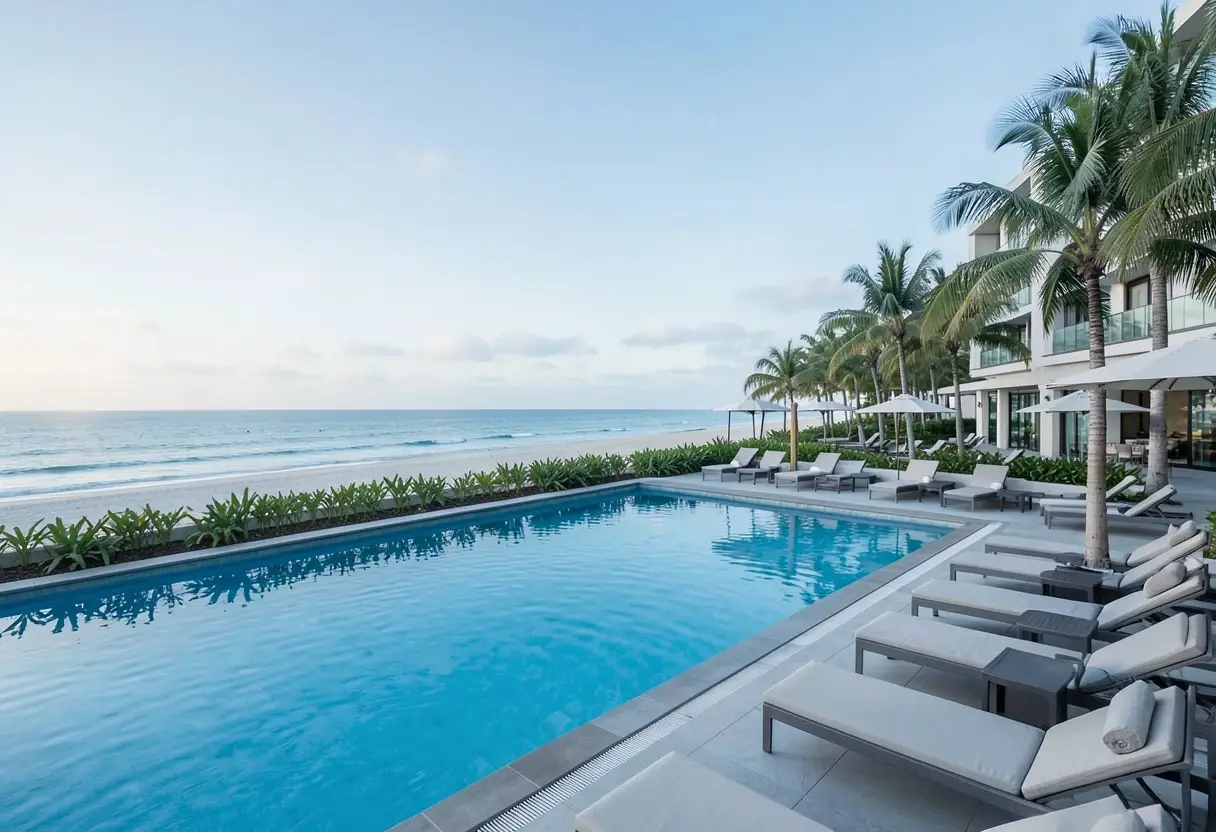
Signia by Hilton Diplomat Beach Resort spent $80 million renovating a 1,000-room convention property, and managing director John Trovato says the money went where the money stays: the backyard and the restaurants. "They put a lot of money into the restaurants primarily to keep people on property," Trovato told Adam Mogelonsky. "As opposed to two, we now have six, and they are all doing really well."
The property, opened in 1958 as a 300-room hotel and now owned by Trinity, closed during the pandemic, was resold, and reopened under Hilton's newer Signia brand. Trovato joined about a year ago, when "the cake was pretty much baked." His problem is not construction. It is confusion. "We lost some trust with customers," he said. "People are confused. They are like, are you open? What is this Signia stuff? What does that mean for the Diplomat?"
Why six restaurants instead of two?
The F&B buildout is menu economics at resort scale. Each outlet targets a distinct daypart and spend occasion across a typical three-to-four-day stay, because, per Trovato, "it cannot be cookie cutter."
- Prime, the steakhouse carried over from the old lineup, now ranks number one among steakhouses in Hollywood, he says, and sells experience upgrades: custom steak knives, personalized menus, chef table visits.
- Solara, the lobby bar, was redesigned from "clinically detached" into a networking hub with private corners.
- Playa, formerly a small beach grill, became a full restaurant with a roof; sales have almost tripled.
- Palmea runs breakfast and all-day dining; the Press is a café run by the pastry chef; the Canteen handles late-night retail.
The backyard adds an adults-only pool with a lagoon, a private cabana club, and the 10,000-square-foot Horizon Lawn connecting to another 20,000 square feet of open space. Trovato says land that used to be dead space could bring in four to five million dollars. Weddings are expected to reach about 25 next year.
What does the local market have to do with it?
Everything, by Trovato's math. Roughly 6,000 condominiums sit in the Hollywood area, and he says the resort will not succeed unless it captures 25 to 30 percent of the local market. The tactics are unglamorous: door-knocking, five to six catering site visits a day, chamber meetings and FRLA involvement. Every outlet general manager is on a bonus tied to being in the market. "Everybody has to sell here, everybody."
Trust, once broken, compounds slowly. "Once that trust is broken or people are confused, it takes a long time to unwind that," he said.
Where does the group money actually sit?
The resort expects about 175,000 group room nights this year — roughly 100,000 from corporate America, 30,000 from associations and incentive programs, and the remainder from the SMERF market (social, military, educational, religious and fraternal groups). Bank of Montreal is one of the largest legacy accounts. Seventy percent of total business is group.
The economics have shifted since the pandemic. Groups book at shorter lead times and spend heavily on F&B. "They will fight with us about rates on conventions, and then they will spend a million dollars in food and beverage, because they want the experience," Trovato said. Some months the resort earns more from food and beverage than from rooms.
Hilton's materials list more than 200,000 square feet of indoor and outdoor event space, four ballrooms and 39 breakout rooms. Trovato claims banquet capability of up to 5,000 covers a day, plus LED-wall branding revenue: "We make a lot of money off of branding." The banquet team earned a 100 percent service score through the first nine months of this year.
Wellness has become a named group demand, and it is also one of Signia's four brand pillars, alongside meetings space, destination restaurants and approachable service. Groups request green juices at breakouts, massages between sessions and meditation rooms. The resort has 17 spa treatment rooms.
What is a guest worth?
Property data anchors the pricing case: a $350 room rate plus another $189 in F&B spend per guest. A considered beach club launch showed members average about $30 in spend versus $128 for the current guest. "Why do I want members? I want customers that come and spend money," Trovato said. Monday-to-Thursday groups get emailed weekend rate offers. Technology is the next lever — automation and speed, because "nobody wants to wait anymore."
Can the competition be copied?
Two new hotels are entering the market: an Omni in Fort Lauderdale and a Hyatt near Miami, with a Hyatt and a Waldorf Astoria in the Miami pipeline. Trovato argues the new Brickell and Coconut Grove towers will be smaller and off-beach, lacking the indoor-outdoor space large groups need, and that pricing pressure will push guests north to Hollywood. "You are not going to get rich anymore doing tertiary rooms."
His defensible asset is labor. About 700 people work at the resort, many long-tenured. "The one thing they do not have is my staff," he said. The executive chef sits on Hilton's corporate advisory group, one of six advisors company-wide.
Trovato frames the renovation and rebrand as a starting point: "I think we are going to write a lot of good chapters in this book for this hotel."
More from Rebecca Stone
Show full bio
Senior reporter covering technology and product news in Restaurant and hotel operations at The Pass Brief.
743 articles