Italian Villa-Concept Restaurant Opens on Wilmington's Market Street
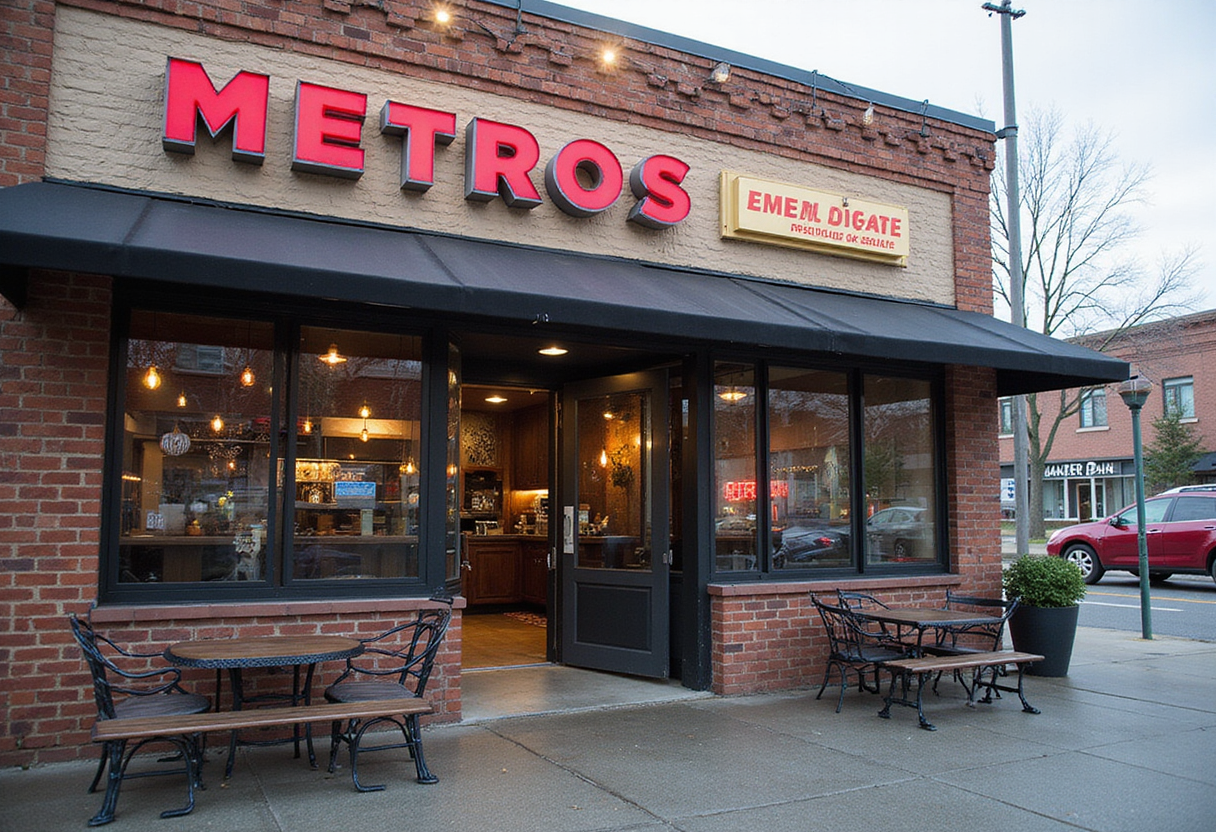
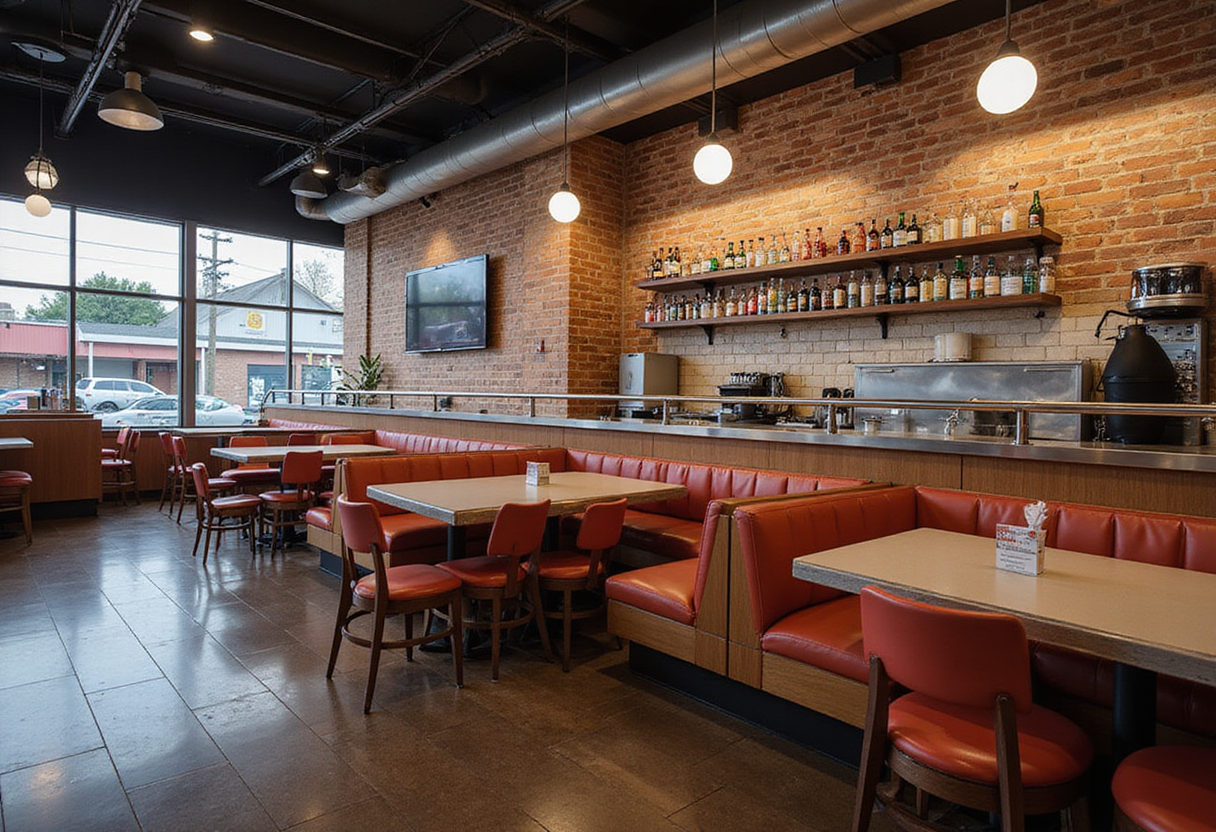
A restaurant built around an Italian-villa experience has opened on Market Street in Wilmington, Delaware, adding a destination-style dining concept to the downtown corridor.
A restaurant promising a "portal to an Italian villa" experience has opened on Market Street in Wilmington, Delaware, adding another operator to the downtown corridor that local redevelopment groups have positioned as the city's restaurant row.
The opening, reported by Spotlight Delaware, signals continued investment in center-city Wilmington dining at a moment when mid-market Italian concepts remain one of the more resilient full-service categories. The villa framing positions the venue as a transportive, destination-style experience rather than a neighborhood red-sauce shop — a positioning choice that typically supports higher check averages through design, ambiance and premium menu architecture.
What do we know about the opening?
The source reporting confirms the core facts of the launch: the concept is open, it sits on Market Street, and its identity is built around evoking an Italian villa. Spotlights of this kind in Wilmington have followed a broader pattern in which independents and small groups open in converted downtown storefronts, taking advantage of comparatively low rents relative to suburban retail corridors.
What the initial report does not yet specify:
- The ownership group or individual operator behind the concept
- Whether the space is company-operated or backed by an investment partnership
- The seat count, square footage or buildout budget
- Menu specifics, price points or check averages
- Whether the opening received city, state or Main Street association incentives
Those details matter for assessing the economics of the project. Downtown Wilmington openings frequently hinge on programs such as facade grants, liquor license availability and parking access, and the unit economics of a design-heavy villa concept depend heavily on whether the buildout cost can be recovered at the check average the market will bear.
Why does villa-themed positioning matter economically?
Transportive theming is a menu-engineering and pricing tool as much as a design statement. Concepts that frame the dining room as a destination — a villa, a garden, a coastal terrace — create cover-charge-free justification for entrée pricing above the local casual median. The approach pairs naturally with:
- Premium imported ingredients that anchor higher menu prices (San Marzano tomatoes, DOP cheeses, regional pastas)
- Wine programs weighted toward Italian labels, where markup margins typically outperform beer-heavy bars
- Shareable formats and coursed menus that lengthen dwell time and lift per-table spend
For an independent on Market Street, the model's viability will rest on labor cost discipline and wine attachment rates more than on food cost percentage, which for Italian concepts tends to run manageable given the carbohydrate-forward core of the menu.
What does the opening mean for Market Street?
Each new dining opening on Market Street strengthens the corridor's case for evening foot traffic, which in turn affects adjacent operators, parking demand and the viability of later service hours. Restaurant density is a compounding asset: a single destination draws one visit; a corridor of destinations draws repeat visits and supports walk-in volume for every operator on the block.
The Italian villa opening arrives as downtown districts across mid-sized Delaware Valley cities compete to convert office-worker daytime economies into nighttime residential and hospitality economies — a shift that full-service, ambiance-driven restaurants are better positioned to serve than fast-casual formats.
Further reporting on the ownership, menu and pricing structure will clarify whether this opening is a single-storefront bet or the first unit of a broader expansion plan.
More from Daniel Okafor
Show full bio
Correspondent covering consumer brands and retail at The Pass Brief.
216 articles