Scraps Into Vinegar: How a 22-Year-Old Chef Cut Waste and Won
Spirit House's Ashton Teed, 22, won Nestlé's Most Sustainable Approach Award by building dishes around vegetable offcuts, scrap vinegars and market-bought quantities.
Ashton Teed, 22, a chef at Spirit House in Yandina, Queensland, has won the Most Sustainable Approach Award at the 2026 Nestlé Golden Chef's Hat Award, along with a $1,000 cash prize and an immersive culinary experience in Sydney.
For Teed, sustainability is less a philosophy than a cost-control tool. "It helps reduce waste, manage food costs and avoid having extra produce sitting around that might end up being thrown away," he tells Hospitality. "Often, venues can be sustainable in very simple ways. Sustainability isn't just about putting scraps into stocks and sauces, you can make really creative things."
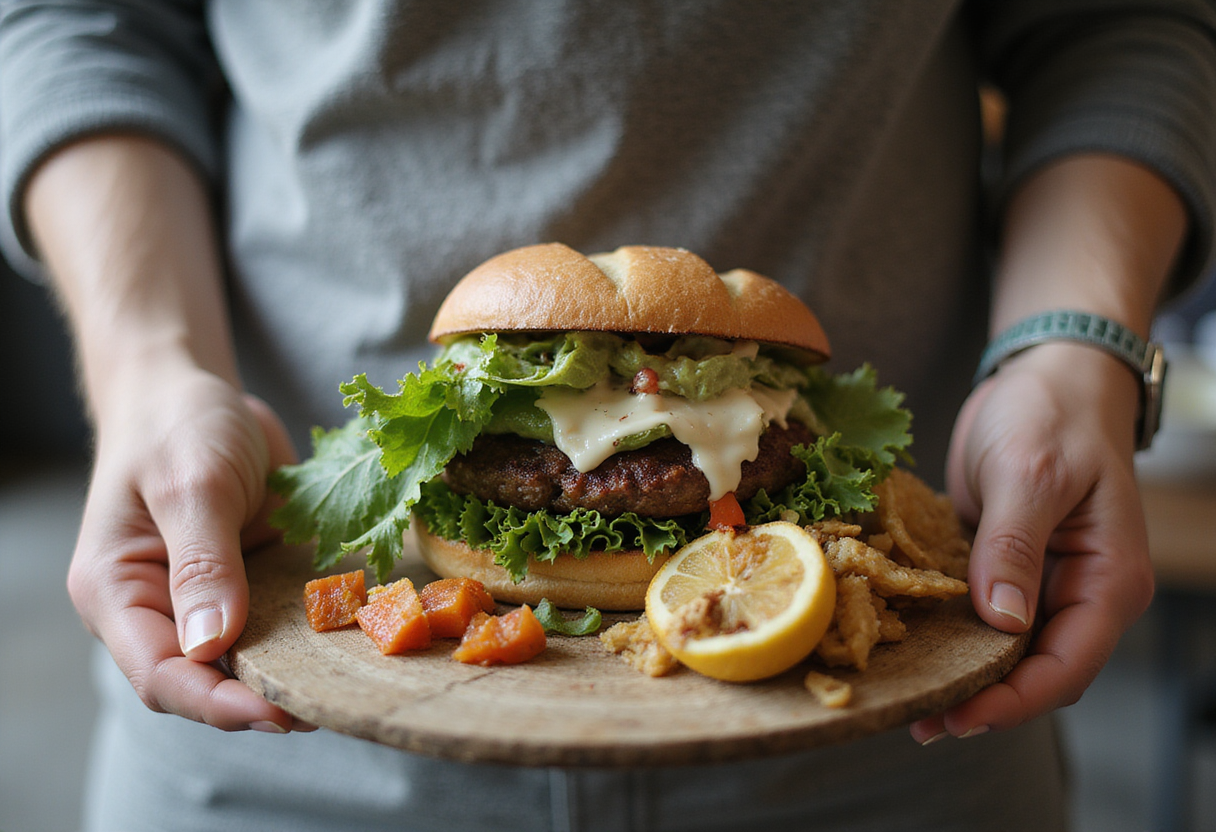
That thinking shaped his competition menu. Instead of building dishes around a long order list, Teed based entire plates on a handful of vegetables and engineered components to consume the offcuts. Carrot and capsicum trim went into a capsicum dressing that seasoned and dressed his entrée tartare. Zucchini, onion, garlic and spices — scraps among them — became a zucchini purée served on his main course. He also turned food scraps into vinegars and various misos, and sourced produce from local farmers.
The competition format itself helped. Ahead of the final round, the Nestlé Golden Chef's Hat Award team took finalists to South Melbourne Market, where they could select their own produce in exact quantities rather than work from fixed supplier deliveries. "This helped a lot because we could find the perfect produce for each dish," Teed says. Buying to spec meant less surplus sitting in storage — the same discipline he applies at Spirit House, where he works under head chef Tom Hitchcock.
Balancing flavor against whole-ingredient utilization took repeated testing. "I practised a lot to get the flavours to work across the whole dish," he says. "In the end, it worked out really well."
Teed's path to the pass was not planned. He entered hospitality at 16 as a kitchen hand washing dishes, moved into larder at his first job, and, in his words, "fell in love with it," starting his apprenticeship. Three years later he moved to a fine dining bistro, qualified as a chef, and then joined Spirit House. "Since then, we've gone on to do many great things, and I've learned so much," he says.
The Sydney prize includes a session with leading chefs from the National Indigenous Culinary Institute and a one-on-one masterclass with Nestlé Professional Executive Chef Elke Travers. Teed says he wants to better understand how native ingredients and sustainable menu design can be applied in a working kitchen.
"Winning the award means a great deal to me because I'm able to show young chefs that there are different ways to use food scraps and think more creatively about reducing waste," he says. "I hope to make even more creative things and keep pushing the limits of sustainability."
His next test is translating competition-level waste discipline into a high-volume venue's daily menu — starting with the scrap vinegars and misos he has already proven on the plate.
More from Elena Vasquez
Show full bio
News editor covering industry trends and analytics at The Pass Brief.
60 articles