Sapporo Hotel Rates Jump 36% as Northern Japan Leads Foliage Surge
Japan hotel rates rise for the November foliage period, with 19 of 22 destinations above annual averages. Nagoya leads at +31% and Sapporo posts a 36% YoY gain as domestic demand offsets weaker inbound tourism.
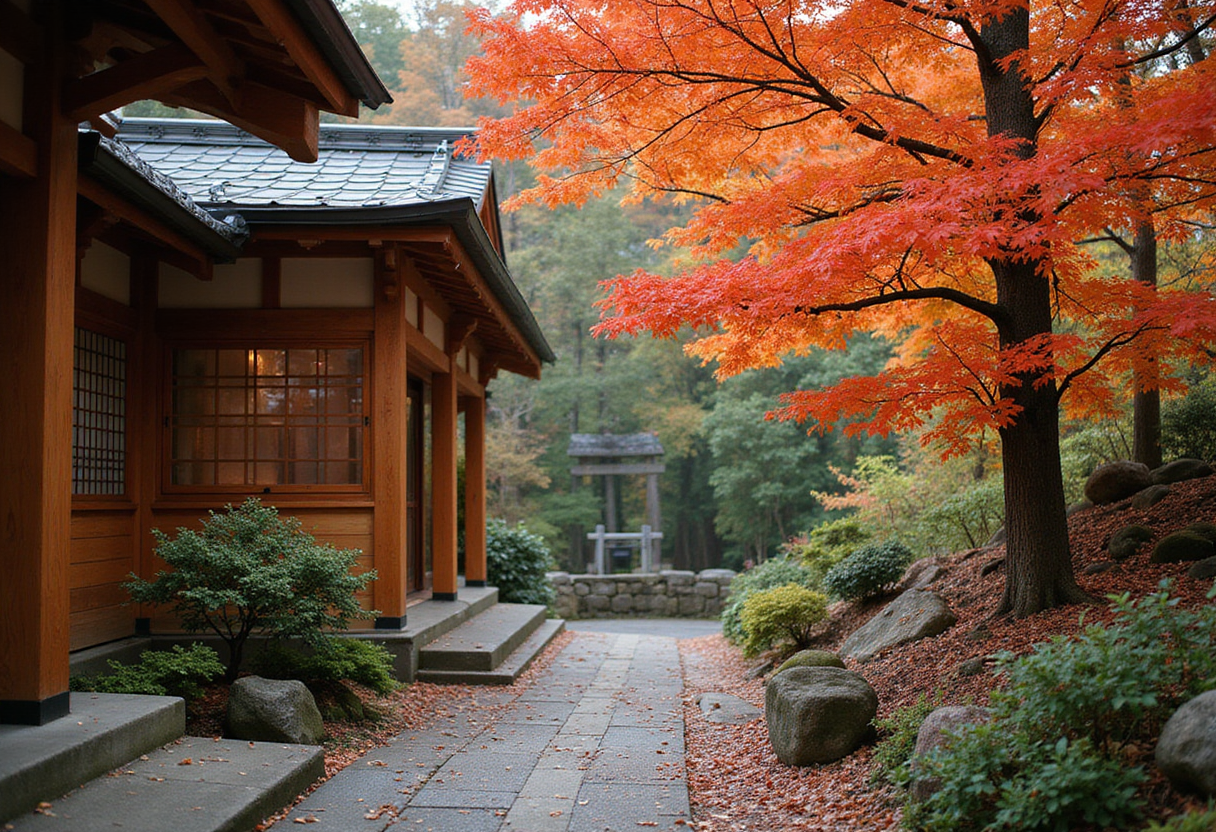
Sapporo hotel rates are up 36% year-over-year for the November foliage period, the largest gain among Japan's 22 tracked destinations, as domestic demand fills the gap left by a 2.7% drop in international arrivals through August.
Where is pricing power building fastest?
Of the 22 destinations Lighthouse tracks, 19 will price above their 2026 annual average during the late-October-through-November foliage window, and 12 of those markets will see advertised rates at least 10% higher than the year-to-date norm. The leading premiums over annual averages:
- Nagoya: +31%
- Kanazawa: +28%
- Nara: +24%
- Nagasaki: +22%
- Niigata: +19%
Nagoya reaches its highest 2026 pricing during the week of November 2, averaging JPY 53,989 per room. Nara peaks the following week at JPY 45,327 — notable for Nagoya given the city hosted the Asian Games only weeks earlier.
Why is the North outperforming?
Sapporo's 36% YoY increase and Hakodate's 17% gain point to where domestic travelers are redirecting spend as inbound tourism softens. Chinese arrivals have dropped sharply amid Beijing-Tokyo tensions, and the government raised the International Tourist Tax from JPY 1,000 to JPY 3,000 in July 2026, both headwinds to international growth.
Hakodate could see further upside. Flight searches to the city rose 141% versus 30 days earlier, the largest gain among Asian destinations. Nagasaki posted a 75% jump in flight searches and a 24% increase in hotel search volume over the same window.
What is driving domestic demand?
Silver Week, the first five-day public-holiday cluster in over a decade, triggered a 120% spike in domestic travel searches on Agoda versus surrounding dates. Q2 2026 domestic travel spending rose 11.7% YoY, outpacing the 6.4% gain in overnight domestic stays, the Japan Tourism Agency reported.
Hotel searches for the late-September holiday opening reached levels typically reserved for Golden Week. That demand carries through the foliage period, with Lighthouse's daily demand index running 7% above the full-year average across the key October-November window and peaking at +3% YoY around November 20.
Where are the international bookings coming from?
Japan-domiciled searchers account for 45% of hotel demand for the foliage dates. South Korea contributes 13%, Taiwan 9%, and mainland China and Hong Kong 5% each. Northeast Asian feeder markets remain significant even as mainland Chinese demand has cooled.
What does this mean for revenue managers?
"Each destination reacts differently to a surge in travel demand, and national averages can obscure where pricing power is building fastest," Lighthouse's report states. "Tracking those changes early gives commercial teams more time to adjust rates and positioning as demand develops."
Lighthouse draws on a proprietary data network covering 80,000 hotels across 185 countries. The Japan Meteorological Agency's current foliage forecast places leaf color development from the last week of October, peaking mid-to-late November.
With the foliage window now open, the test for H2 2026 is whether regional markets like Sapporo and Hakodate can sustain double-digit rate growth into 2027 as the domestic-led demand wave meets a still-softening inbound cycle.
More from Olivia Hart
Show full bio
Staff writer covering marketplaces and e-commerce at The Pass Brief.
231 articles