RIU Banks Three Years on Angel Shark Conservation in Canaries
RIU Hotels & Resorts will fund three years of angel shark conservation in the Canary Islands, backing a project founded in 2014 by ULPGC, ZSL and LIB in one of the species' last global refuges.
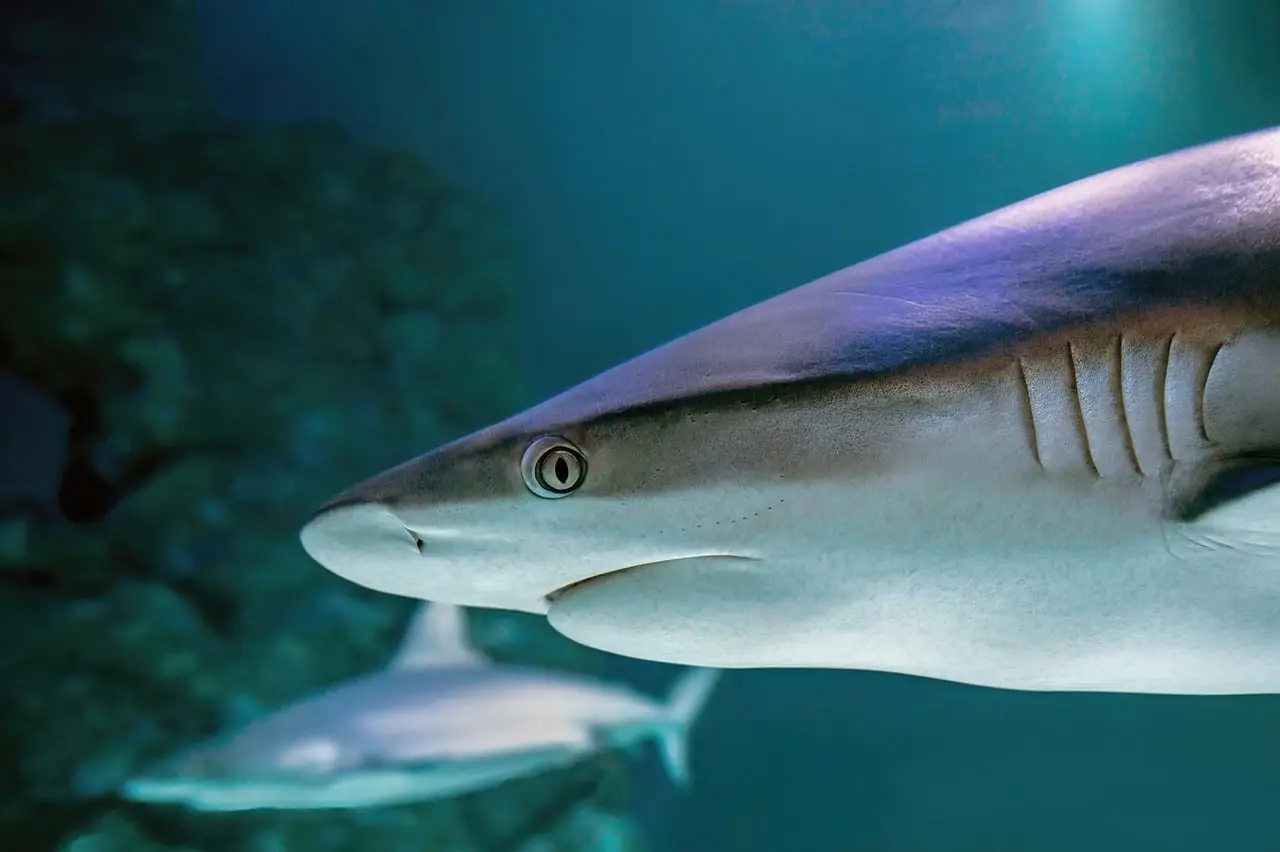
RIU Hotels & Resorts has committed to three years of support for the Angel Shark Project: Canary Islands, funding scientific monitoring, citizen science and awareness work across Gran Canaria, Tenerife, Fuerteventura and Lanzarote.
The scale behind the pledge is worth pausing on. RIU runs 98 hotels in 21 countries, welcomed 6.7 million guests in 2024 and employs 38,055 people. It ranks as the world's 40th largest chain and the fourth largest in Spain by room count. When a company of that footprint puts money behind a critically endangered species, the money moves real research capacity.
The partnership runs through the Canary Islands Science and Technology Park Foundation (FCPCT) of the University of Las Palmas de Gran Canaria (ULPGC). RIU provides financial support and collaborates on three operational pillars.
- Scientific monitoring: expanding biological monitoring of the species and coordinating technical work between public administrations, researchers and the local community.
- Citizen science: systematically collecting and analysing sightings reported by divers, fishermen and marine environment users.
- Awareness and training: public outreach campaigns on the ecological value and vulnerability of the shark.
Why the Canary Islands matter for this species
The angel shark is classified as critically endangered worldwide. The waters of Gran Canaria, Tenerife, Fuerteventura and Lanzarote are one of its last population refuges on the planet.
The project itself isn't new. It was founded in 2014 through a collaboration between ULPGC, the Zoological Society of London (ZSL) and the Leibniz Institute for the Analysis of Biodiversity Change (LIB). Its objective is straightforward: ensure the species survives.
The citizen-science pillar is the mechanism most relevant to RIU's guests. Divers, fishermen and sea users report angel shark sightings, and researchers collect and analyse that data to track the population. In a destination that draws heavy dive tourism, hotel-guest reporting could meaningfully widen the observation net.
What does this change for RIU's sustainability strategy?
The agreement sits inside Proudly Committed, the chain's sustainability strategy, under its Biodiversity line of action and a specific Species Protection programme. RIU frames it as strengthening scientific partnerships in key destinations where it operates — which, for a chain heavily concentrated in sun-and-beach markets, means the health of coastal ecosystems is directly tied to its product.
The company has disclosed auditable results for the 2025 financial year:
- 28 biodiversity conservation projects promoted in 2025, up 40% on 2024.
- 23% of total social investment allocated exclusively to biodiversity and natural area protection.
- 106,805 sea turtle hatchlings released, helping safeguard 30% of the loggerhead turtle population in Cape Verde.
- 12,642 coral colonies transplanted, alongside seagrass meadow and coastal ecosystem regeneration initiatives in Spain.
That last cluster shows the pattern. The angel shark deal extends an existing portfolio — turtles in Cape Verde, corals and seagrass in Spain — rather than opening a new front.
Who is RIU, in operator terms
The chain was founded in Mallorca by the Riu family in 1953 as a small holiday firm and remains owned by the family's third generation. It specialises in holiday resorts, with more than 74% of its establishments offering the All Inclusive by RIU service.
Since opening its first city hotel in 2010, RIU has also built a separate urban line, Riu Plaza. The company describes itself as one of the Caribbean's most popular chains.
What comes next
The three-year term gives the project a stable funding runway through 2028, with activities concentrated in the four-island refuge zone. For a species whose global survival may hinge on one archipelago, sustained corporate backing in exactly those waters is the point — and the citizen-science channel means visiting divers can feed data straight into the research effort.
More from Olivia Hart
Show full bio
Staff writer covering regulation, policy and their impact on Restaurant and hotel operations at The Pass Brief.
788 articles