Seven Greek Islands Declare Drought Emergency, and Hotels Are in the Path
Seven Greek islands including Astypalea have declared drought emergencies, putting hotel operations reliant on pools, gardens and laundry in direct conflict with local water supply.

Seven Greek islands in the Aegean Sea, including Astypalea, have declared drought emergencies this year, and hotel operators are the first to feel the squeeze.
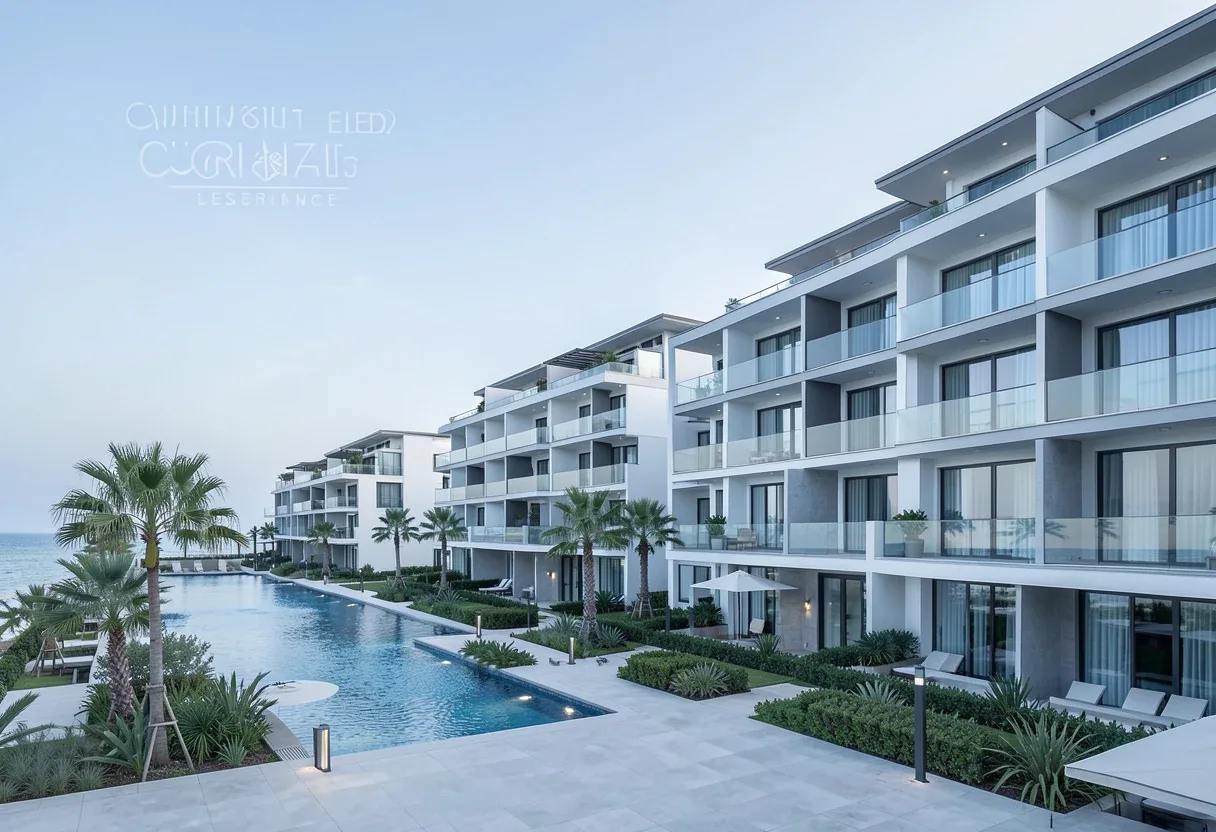
Extreme heat and low rainfall, driven by climate change, are putting additional pressure on destinations across Europe. The tourism industry now stands in direct conflict with local communities as it tries to keep taps running, pools full and gardens green — three functions that define the hotel product and consume water at scale.
Maria Mavroudi, co-founder and general manager of Kallichoron Art Boutique Hotel on Astypalea, has a family reference point for the problem. Her grandparents collected rain in a sterna — a traditional cistern — to water plants and supply drinking water for animals.
"Water scarcity is not a new issue for islands such as Astypalea," Mavroudi said. "It has shaped island life and local practices for generations, long before climate change became part of the wider conversation."
What does this change for hotel operators?
The core operational question is supply reliability. A destination under a declared drought emergency can face restrictions on the very uses — pool top-ups, irrigation of landscaped grounds, full-service laundry — that full-service and resort properties depend on to justify their room rates.
Island hotels also carry a structural disadvantage: they cannot fall back on mainland infrastructure. The traditional answer on Astypalea was on-site storage, the sterna cistern, and that logic — capture and store what falls locally — is returning as a practical model rather than a nostalgic one.
The stakes extend beyond a single archipelago. Tourism accounted for 3.5% of output in the affected context, meaning water restrictions that degrade the guest experience carry measurable economic weight for destinations that depend on visitor spending.
The wider European picture
Astypalea, also known as Astypalia, is not an isolated case. The seven islands' drought declarations sit inside a broader pattern: extreme heat and little rainfall across Europe are adding pressure on destinations well beyond Greece.
For operators, that shifts water from a line item treated as a fixed utility cost toward a variable supply risk — one that can disrupt operations season by season and pit hotels against the resident communities that share the same limited supply.
The operators most exposed are those with high-water amenities — pools, irrigated gardens, full laundry cycles — in destinations where local storage and infrastructure were built for a fraction of the summer population they now serve.
Mavroudi's point cuts both ways: island communities have managed scarcity for generations, and those practices predate the current climate debate. What has changed is the scale of demand placed on the same limited resource, with tourism now a competing claimant alongside residential needs.
Expect water management — capture, storage, reuse and reduction — to move up the capital-planning agenda for island and coastal hotel owners as more destinations follow Astypalea into formal drought status.
More from Elena Vasquez
Show full bio
News editor covering people, launches and day-to-day practice in Restaurant and hotel operations at The Pass Brief.
546 articles