Rising Fuel Prices Hit Chicago Restaurants Again
Fuel price increases are adding new cost pressure on Chicago restaurants, hitting distribution and delivery expenses for operators already battling food inflation and high labor costs.
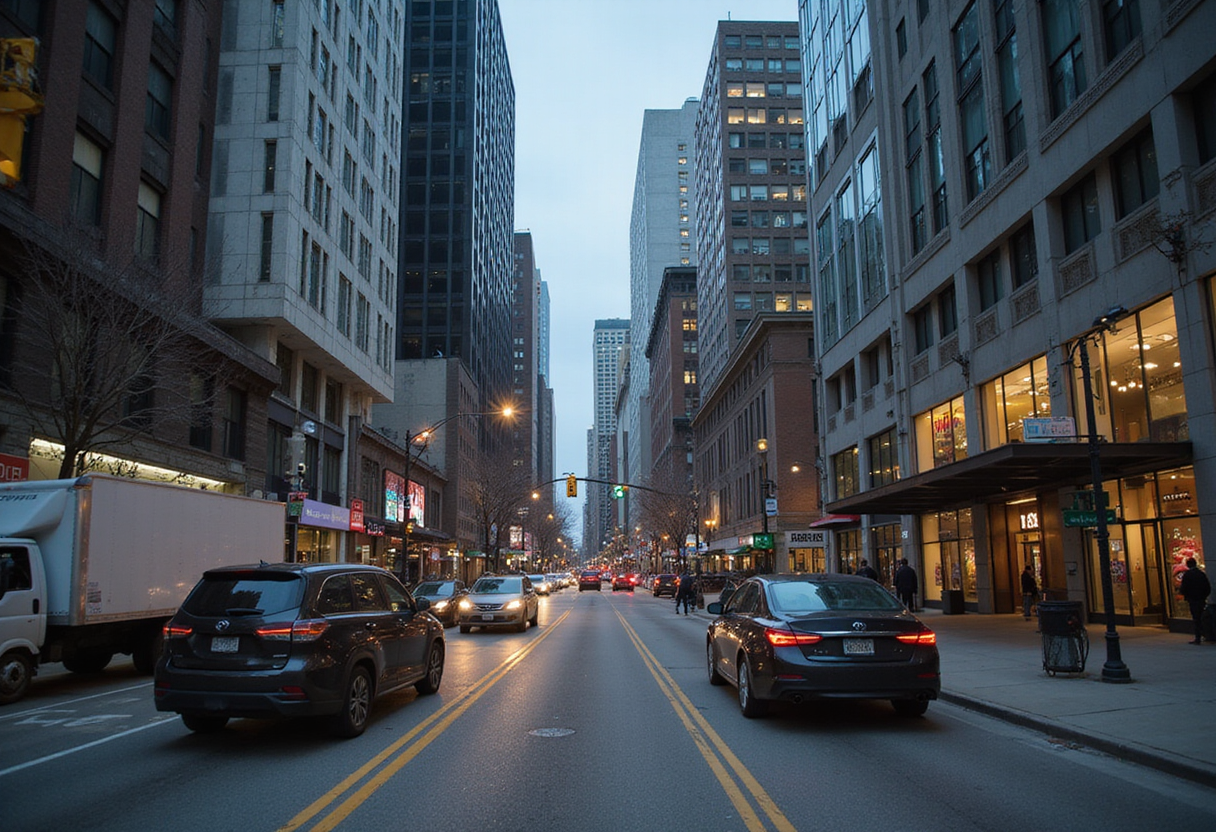
Chicago restaurants are absorbing another cost shock as fuel prices climb, WBEZ Chicago reports, landing on operators already squeezed by food inflation and elevated labor costs.
For restaurant businesses, fuel is not a single line item. It reaches the P&L through multiple channels: delivery surcharges from distributors, the cost of hauling goods into the city, and — for operators running their own vehicles — direct spend at the pump. When diesel rises, cost of goods effectively rises with it, even before any menu price change.
The Chicago market is particularly exposed. As a major distribution hub with dense urban delivery routes, the city's restaurant supply chain depends heavily on trucked-in product, from produce and proteins to packaged goods. Fuel-driven freight increases typically arrive as distributor surcharges or quietly embedded price hikes, leaving operators to decide between eating the cost or engineering it into menu prices.
That decision is familiar territory for the city's restaurant sector, which has spent the past several years repricing menus repeatedly in response to inflation. Each additional input-cost increase narrows the room operators have to protect already thin margins, and raises the risk of customer pushback at the check.
What can operators do about it?
The standard playbook applies: consolidate deliveries to cut freight fees, renegotiate distributor terms, and re-engineer menus toward ingredients with lower transport intensity. Larger groups and multi-unit operators are better positioned to do this, since they can spread fixed logistics costs across more volume. Independent operators — who dominate Chicago's dining scene — have less leverage and typically absorb a larger share of the increase.
The pressure also compounds with existing headwinds. Labor costs in the Chicago market remain elevated, and operators have already pushed multiple rounds of pricing. Fuel adds another input that management cannot control but must somehow pay for.
How the city's operators respond — through pricing, sourcing changes, or tighter delivery logistics — will determine whether this latest cost wave reaches the menu or stays buried in the margin.
Note: This summary is based on the reported headline; readers should consult the original WBEZ Chicago reporting for the full figures and operator interviews.
More from Daniel Okafor
Show full bio
Correspondent covering consumer brands and retail at The Pass Brief.
219 articles