Ricoh Teams Up With Hyphen to Bring Robotics Into Restaurant Kitchens
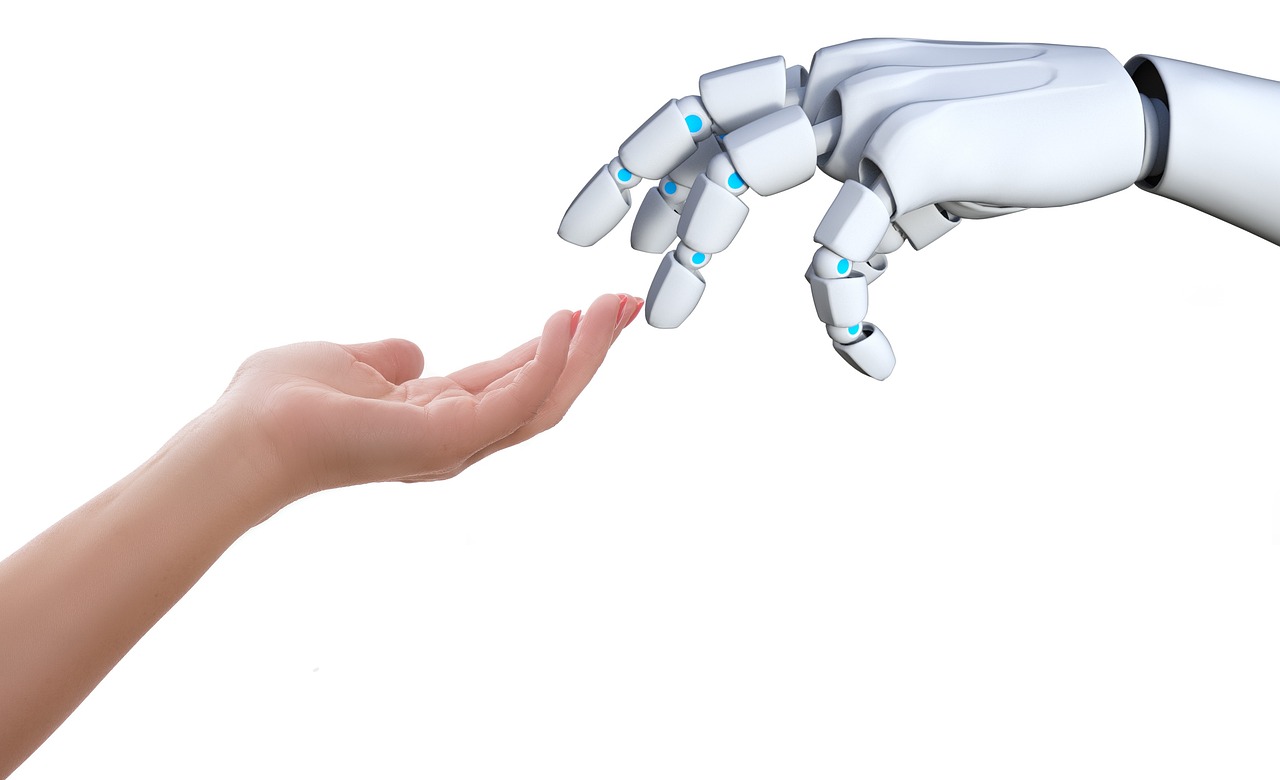
Ricoh has partnered with kitchen-automation firm Hyphen to push robotics into restaurant prep, targeting labor-driven costs in high-volume formats.

Ricoh has signed a partnership with kitchen-automation firm Hyphen to push robotics deeper into restaurant operations. The deal pairs a multinational known for office imaging technology with a company built around automated food preparation, and it signals how quickly robotics players are courting foodservice.
The core of the story is simple: two companies from very different industries see the same opening. Restaurants face persistent labor shortages and rising wage costs, and automated prep equipment promises to absorb some of the repetitive work — assembly, portioning, dispensing — that drives labor percentages up.
What does the partnership actually do?
Details released so far are thin. The announcement confirms the collaboration itself but doesn't yet spell out which specific robotic systems will ship first, which restaurant chains have signed on as pilot customers, or what the commercial model looks like — whether operators buy the hardware outright, lease it, or pay per use.
That pricing question matters more than it might seem. Robotics vendors have learned that a six-figure capital purchase is a hard sell to a franchisee running thin margins. Subscription and robotics-as-a-service models, where the equipment is paid for monthly, lower the barrier considerably. Whichever route Ricoh and Hyphen take will shape who can realistically adopt the tech.
Why Ricoh?
Ricoh's involvement isn't as odd as it sounds. The company has spent years diversifying beyond printers and copiers into industrial automation, sensors, and precision hardware. Restaurant robotics draws on adjacent competencies: optics, motion control, and software integration. Hyphen brings the kitchen-side expertise and the food-prep platform.
For Hyphen, the partnership offers scale. Backing from a global equipment manufacturer can accelerate manufacturing, distribution, and service support — the unglamorous infrastructure that often decides whether kitchen automation survives past the pilot stage.
The economics driving the deal
Labor remains the largest controllable cost line for most operators, typically running around a third of revenue in full-service formats. Any device that reliably handles high-volume, repetitive prep tasks lets managers redeploy staff to service and cooking roles that automation can't touch.
The appeal is strongest in high-throughput formats: fast casual, ghost kitchens, and bowl- or salad-concept chains where orders follow a standard assembly pattern. That's precisely the segment where Hyphen's automation has been positioned.
What comes next
Watch for the first named deployment — a chain, a market, and a unit count would tell us whether this is a real commercial rollout or a technology partnership still hunting for its flagship customer. Until those specifics land, the announcement is a signal of intent rather than a shipped product, but it confirms that kitchen robotics is now drawing corporate partners the size of Ricoh.
More from Olivia Hart
Show full bio
Staff writer covering regulation, policy and their impact on Restaurant and hotel operations at The Pass Brief.
460 articles