Restaurant Traffic Falls Persist Despite Operator Price Restraint
Restaurant traffic continues to decline even when operators hold menu prices steady, Restaurant Business Magazine reported, a finding that exposes the limits of pricing restraint across the segment.
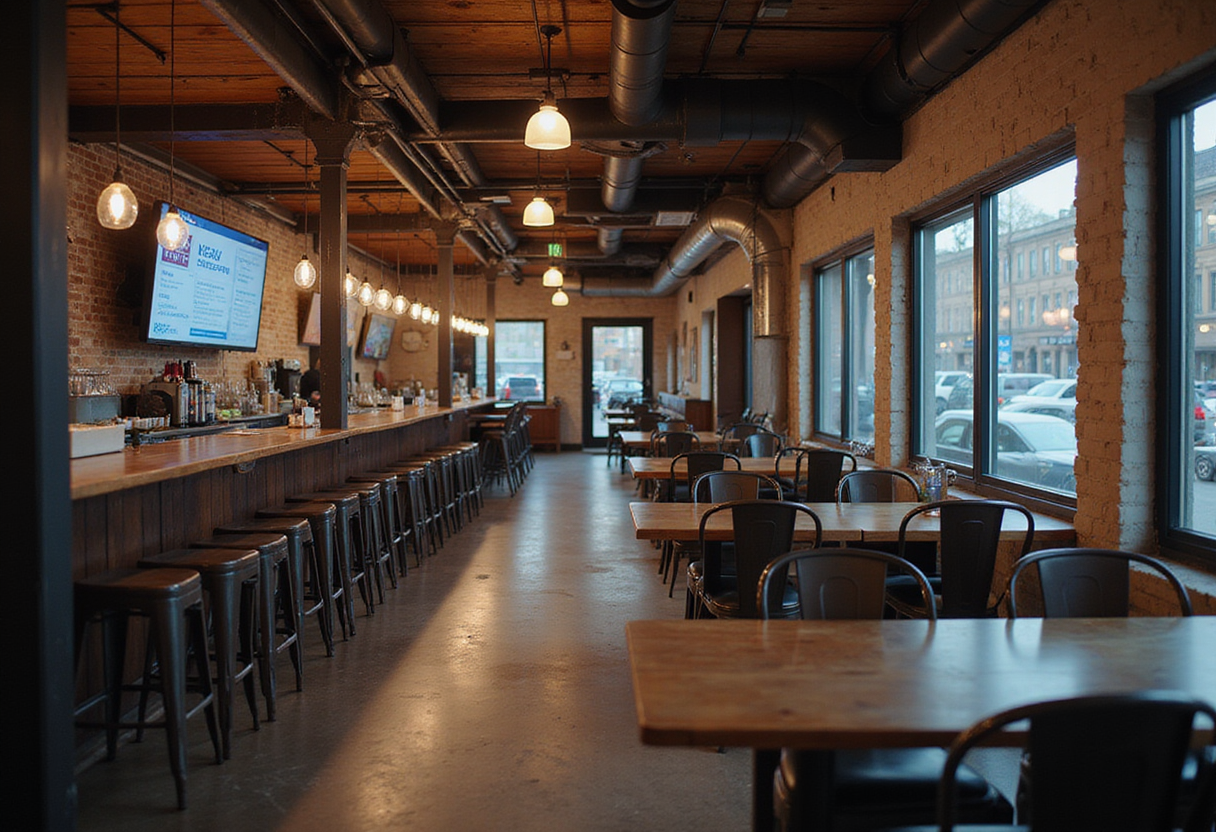
Restaurant traffic continues to decline even as operators hold menu prices steady, Restaurant Business Magazine reported this week.
What does the pricing restraint actually achieve?
The magazine's headline finding is blunt. Operators who keep price increases low do not see traffic return. The implication is uncomfortable for the industry. Price has served as the primary lever for guest retention. The lever has stopped working in this market.
A skeptic investigator reads the headline this way, treating the finding as evidence that restaurants face a market where price has lost its former influence on guest decisions. Holding the menu price offers an exit from the inflation conversation. It does not offer an entry back into the dining occasion that operators have lost.
The comparison worth noting is straightforward. Operators who raise prices modestly and operators who hold prices flat now see the same result across the segment. The price control has become ineffective at producing traffic growth.
Why is restaurant traffic eroding despite steady prices?
The source does not name the deeper cause behind the decline. Household budget pressure remains the leading explanation in industry conversation. Discretionary spending on restaurants competes with several other categories for limited dollars. Some categories hold priority over others in the household budget. The restaurant category sits between necessity and luxury.
Frequency now matters more than check size for many operators in the current market. A guest who dines out regularly and dines out less often cuts the establishment's traffic proportionately. The check average holds steady through the period. Operators who focus only on check average miss the real arithmetic of traffic multiplied by check average equals revenue.
What does the price restraint strategy protect, and what does it leave exposed?
The strategy protects the per-cover margin and the headline menu price that guests see. It does not protect traffic volume. It does not protect labor productivity per shift. It does not protect real estate returns on invested capital. A skeptic investigator has to ask what operators are not saying about a restraint posture that addresses one variable while leaving several others exposed.
Cost of goods continues to climb at the wholesale level in most categories. Labor pressure has not eased across major markets. Insurance and rent utilities track higher in every region. An operator who keeps the menu flat while costs rise absorbs the squeeze quietly in the operating statement. The headline suggests this absorption produces no traffic return.
What changes for the industry now?
The implication is structural rather than cyclical in the current market. Price competition has reached its limit as a recovery tool for the segment. Operators will need different levers in the next planning cycle. Menu engineering will return to the center of operating attention. Occasion design will receive renewed focus from operators and marketing teams.
A forward-looking sentence requires one definitive observation. Restaurant operators who rely on price restraint alone will see continued traffic erosion through the next reporting cycle and into the comparable period that follows.
More from Marcus Bennett
Show full bio
Market editor covering technology and product news in Restaurant and hotel operations at The Pass Brief.
343 articles