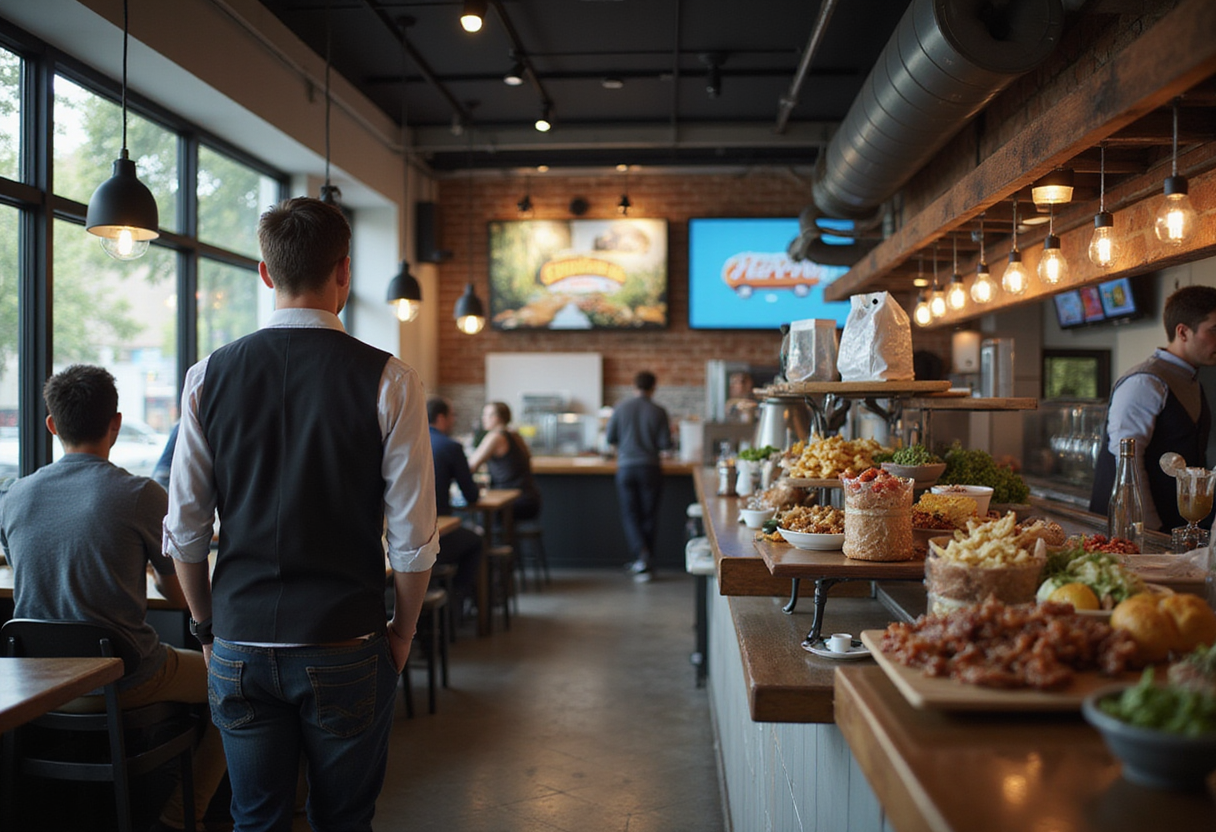
Restaurant Business feature ties Chili's comeback to Wi-Fi upgrade
Restaurant Business Magazine published a feature under the headline 'How better Wi-Fi helped fuel Chili's comeback,' framing improved wireless connectivity as a contributor to the casual-dining chain's turnaround.
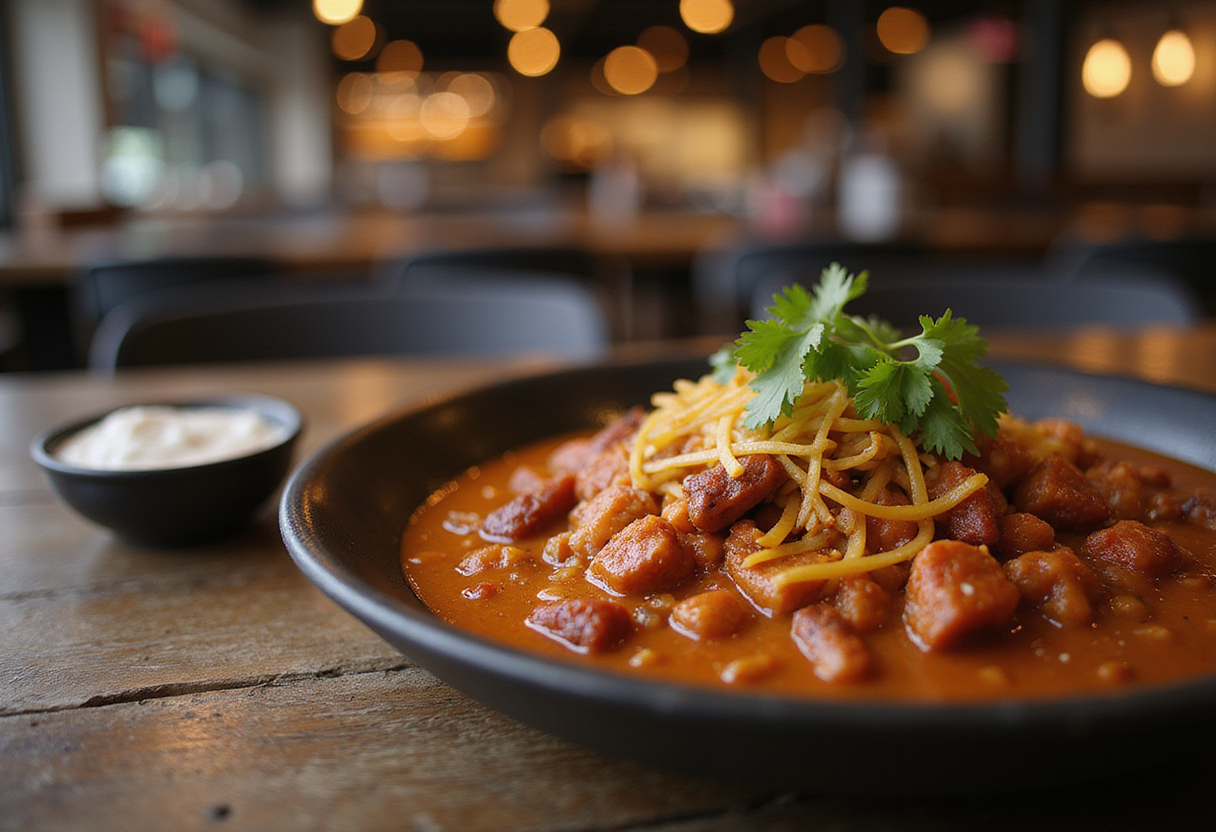
Restaurant Business Magazine published a feature titled "How better Wi-Fi helped fuel Chili's comeback," framing improved wireless connectivity as one of the levers behind the casual-dining chain's recent turnaround.
The headline ties a guest-facing and back-of-house infrastructure upgrade to brand recovery. The full text of the original Restaurant Business Magazine feature — including operator commentary, supporting financial figures and capital-spend detail — was not contained in the source feed reviewed for this brief, so the underlying numbers and direct quotations cannot be restated here.
For casual-dining operators weighing spend on managed connectivity, the headline framing matters before the underlying figures are read. Network investment in the segment typically bundles three workstreams: guest Wi-Fi, in-store networking for point-of-sale and kitchen-display systems, and back-office circuits that carry digital loyalty enrollment and remote menu management. A chain running several hundred or several thousand locations absorbs cumulative spend across those workstreams, and a vendor's ability to bundle guest Wi-Fi with operational networking under a single contract has become standard in procurement.
The trade publication's "comeback" framing implicitly connects the Wi-Fi project to a move in one or more of the unit-level metrics casual-dining chains track: same-store sales, traffic counts, average check or loyalty enrollment rate. Which specific metric the original Restaurant Business feature credits the Wi-Fi project with moving is the operator-level question the underlying reporting would resolve, and the headline alone does not specify it.
Chili's operates in the casual-dining segment, where trade publications including Restaurant Business Magazine track turnaround narratives alongside menu-engineering, value-LTO and labor-model coverage. The Wi-Fi piece sits within that ongoing trade coverage track.
The original feature would typically pair a defined infrastructure project — a managed-Wi-Fi rollout, a vendor change, a guest-network segmentation — with a defined performance outcome over a defined measurement window. Reading "comeback" through that lens, the Wi-Fi line is one item in a multi-lever plan; reading it as the lead cause implies outsized attribution that the full reporting would need to support.
For operators, the headline acts as a useful prompt to ask what specifically a connectivity upgrade is expected to change at their own stores — check size, throughput, labor hours or repeat-visit rate — rather than treating "better Wi-Fi" as a single outcome.
What does the framing change for operators?
A headline-level claim that connectivity helped fuel a chain recovery reframes networking from a back-office line item to a sales-driving capital project. Operators reviewing their own connectivity contracts can use that framing as a benchmark question: which performance metric is the spend expected to move, and how is that move tracked in the operator's reporting cycle? Whether the original feature's underlying data supports that level of attribution is a question only the Restaurant Business source can answer.
More from Elena Vasquez
Show full bio
News editor covering people, launches and day-to-day practice in Restaurant and hotel operations at The Pass Brief.
353 articles