Pony Dining opens 200-seat Barangaroo venue with 10-metre wood-fired grill
Pony Dining's second Sydney restaurant seats 200 in Barangaroo, built around a 10-metre ironbark grill, in-house butchery and a lounge bar trading until 2am weekends.
Pony Dining has opened its second restaurant, a 200-seat venue in Sydney's Barangaroo that anchors its expansion on open-fire equipment, whole-animal butchery and a late-night bar trade.
The new site at Shop 2, 1 Shelley Street trades lunch and dinner Monday to Saturday. Its lounge bar runs until 2am on Fridays and Saturdays, with DJ sets from 8pm on weekends — a second revenue window layered on top of the main dining room.
What's behind the pass?
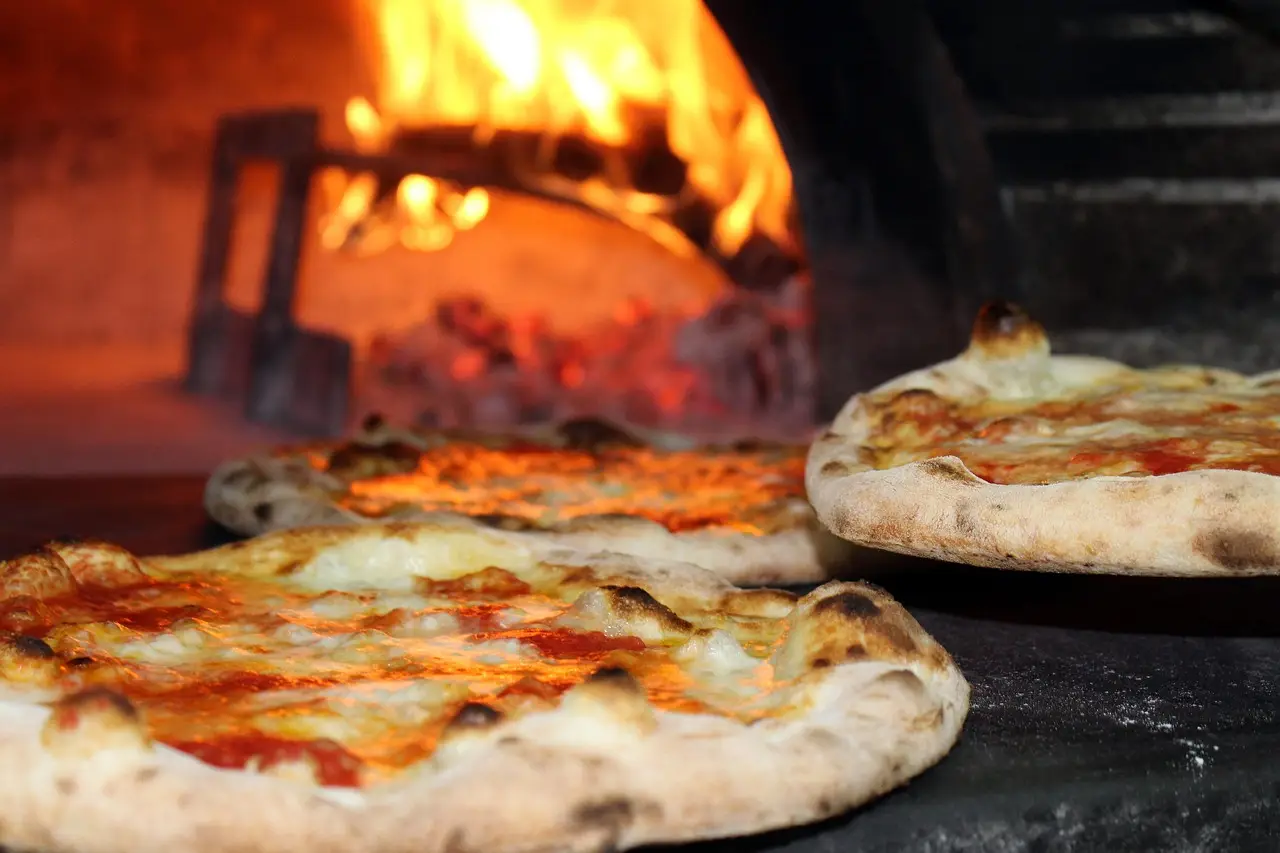
The kitchen build is the story's real capital outlay. The fit-out includes a 10-metre-long ironbark wood-fired grill and a 1.8-tonne wood-fired pizza oven, plus an in-house butchery, a dry-ager and a wok station. That equipment mix points at menu engineering rather than novelty: in-house butchery and dry-aging pull protein prep in-house, which typically supports both margin control on high-cost cuts and the premium pricing a steak-led menu requires.
Chef Neil Nolan leads the operation. He has spent 20 years developing the group's fire-led cooking style at the original The Rocks location, and the Barangaroo menu is his broader take on the brand's produce-driven approach. He calls the concept wood-fire grill fusion.
"There's something incredibly special about working with fire," Nolan says. "There's a skill and an immediacy to it but it also creates that sense of theatre that's symbiotic for staff and guests, as they both get to be immersed in the dining experience."
What does the menu actually carry?
The fire equipment shapes the plate. Dishes include kangaroo skewers, smashed eggplant, Hong Kong-style wok-fried lobster and dry-aged whole-roasted duck. The expanded steak program — the clearest pricing play in the lineup — runs from the signature black onyx black Angus tomahawk to a 30-day dry-aged bone-in sirloin and a citrus-fed picanha Wagyu.
The dry-aging spec matters here. Thirty days of aging is a time-and-space investment that restaurants use to justify premium steak pricing; the in-house dry-ager means Pony controls that process itself rather than buying aged product at a markup.
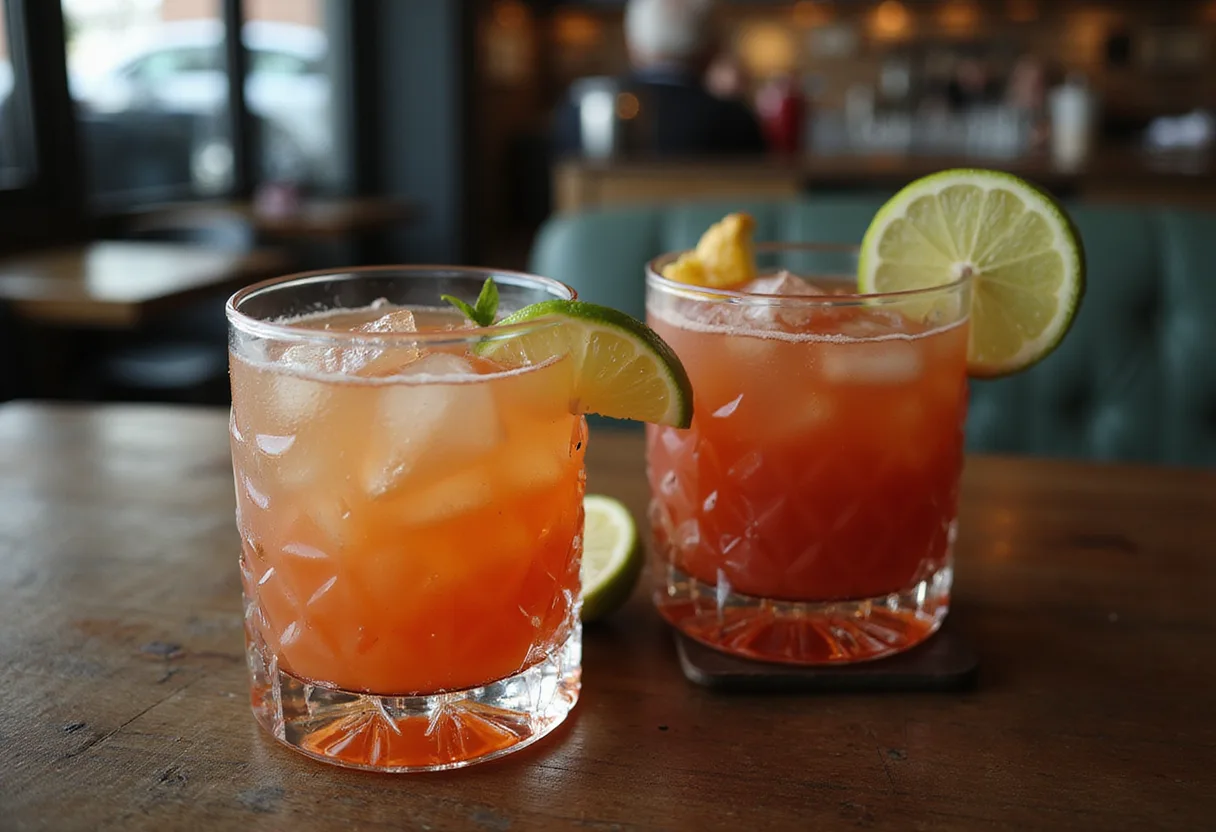
The bar gives the venue a casual entry point. A separate bar area serves its own menu from 10pm, headlined by a $26 Wagyu burger — a price that sits below the steak ceiling and targets late trade that a 200-seat dining room alone can't capture after kitchen close. On weekends the space converts to a lounge with DJs from 8pm.
Why Barangaroo, and what's next
Barangaroo gives the group Harbour views and a high-traffic corporate and tourist district to work with — the kind of market that supports both premium tomahawk pricing and a 2am weekend bar. With the original The Rocks site now 20 years deep into its fire-led identity, the second unit reads as a scale-up of a proven format rather than a reinvention.
The venue is open now, and the dual dining-room-plus-lounge model gives Pony two distinct dayparts — and two check averages — under one roof.
More from Olivia Hart
Show full bio
Staff writer covering regulation, policy and their impact on Restaurant and hotel operations at The Pass Brief.
757 articles