Dakar NOLA earns top honors after live-fire relocation
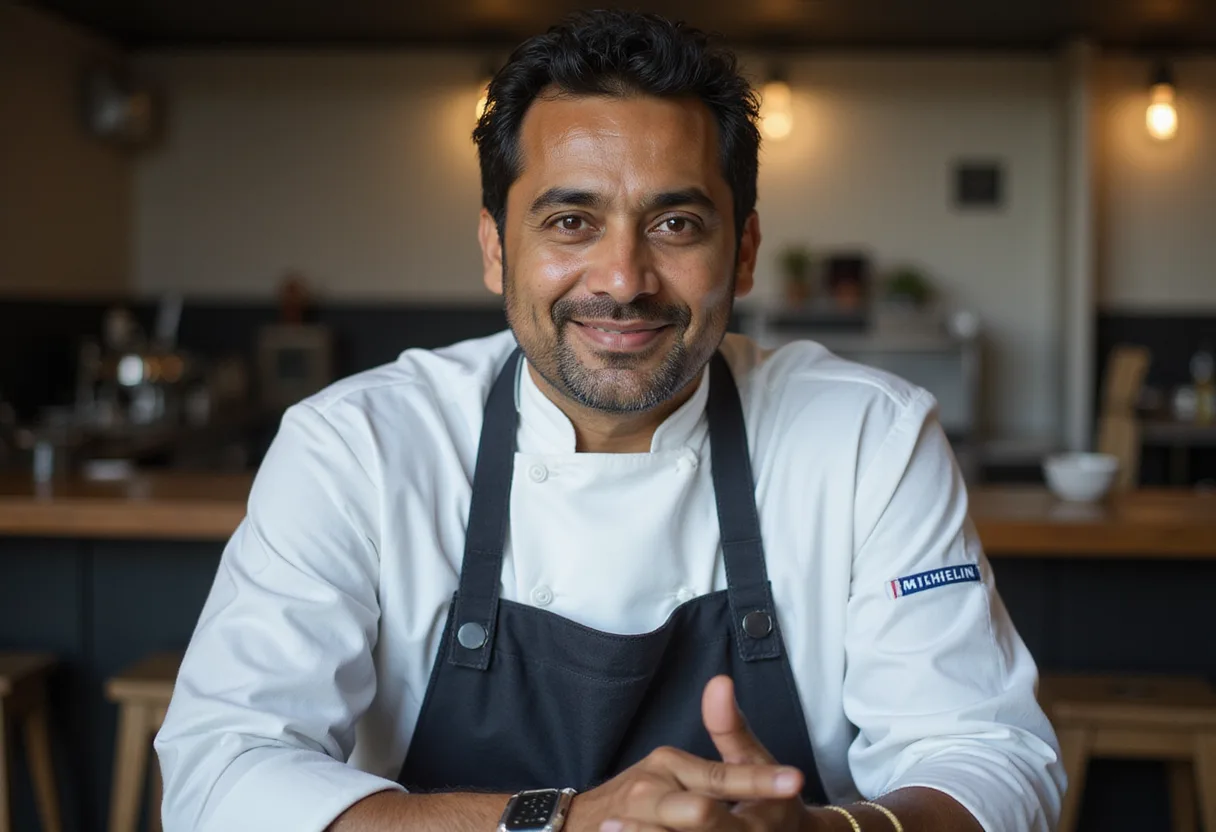
Chef Serigne Mbaye’s Dakar NOLA earned a Michelin star, a James Beard award and a No. 4 North America ranking after growing from New Orleans popups into a larger live-fire restaurant.

By Marcus Bennett
Dakar NOLA, opened in late 2022, placed No. 4 in North America on The World's 50 Best list this year. Chef Serigne Mbaye also won this year's James Beard Foundation award for best chef in the South. Dakar NOLA earned a Michelin star in October.
Mbaye built the restaurant through local popups, a bank loan and a relocation. He opened Dakar NOLA in late 2022. A few months ago, he moved it from the original location to a larger space with an open live-fire kitchen.
What prepared Serigne Mbaye for Dakar NOLA?
Serigne Mbaye was born in New York City, where his mother ran a Senegalese restaurant. He grew up between Harlem and Dakar, Senegal. The family restaurant remains unidentified, as does its influence on his cooking.
He began restaurant work 15 years ago as a dishwasher at The Harrison in New York City, then worked across New York City, San Francisco and New Orleans while refining his fine-dining skills.
During that New Orleans period, Mbaye began operating popups of his own cuisine. The popups gave him the experience and local support required for the next step.
How did popups lead to a full restaurant?
Those popups combined local ingredients with Creole sensibilities and Senegalese heritage. Mbaye used local sourcing to shape the food rather than relying on a single novelty attraction.
The popups gave him enough local following to secure a bank loan for the first Dakar NOLA location. That progression links early menu testing to a financed opening, although pop-up covers, sales, food costs, labor costs and margins for both ventures remain undisclosed.
The sourcing principle gives the menu a regional frame built around local supply and two culinary traditions. The present sourcing mix remains undisclosed. Specific ingredients and suppliers are not identified. That absence limits any assessment of ingredient consistency, procurement leverage or the margin available from local supply.
What does the larger live-fire kitchen change?
Relocation brought a larger room and an open live-fire kitchen. The original square footage and new capacity remain unknown. No details identify dishes made over the fire or staffing requirements. As a result, no reported measure isolates the move's effect on covers or average checks.
Financing details are also thin. A bank loan financed the first opening. The account gives no loan amount, lender, repayment terms or relocation funding.
No operating figures disclose sales, average check, cost of goods, beverage cost, labor percentage, occupancy cost or profit. No unit count establishes the restaurant's scale. Mbaye's direct role in the loan and operation shows involvement, but the details do not confirm whether Dakar NOLA operates as a company unit or a franchised unit.
Do the awards settle the business case?
No. The ranking, Beard award and Michelin star establish critical recognition. They do not disclose operating performance.
The recognition may support demand and pricing, yet no customer counts, menu prices or sales data test either effect. The relocation is the practical test. Whether the larger live-fire room converts acclaim into more covers and a higher average check while holding food, labor and occupancy costs in check remains the next stage.
More from Marcus Bennett
Show full bio
Market editor covering technology and product news in Restaurant and hotel operations at The Pass Brief.
798 articles