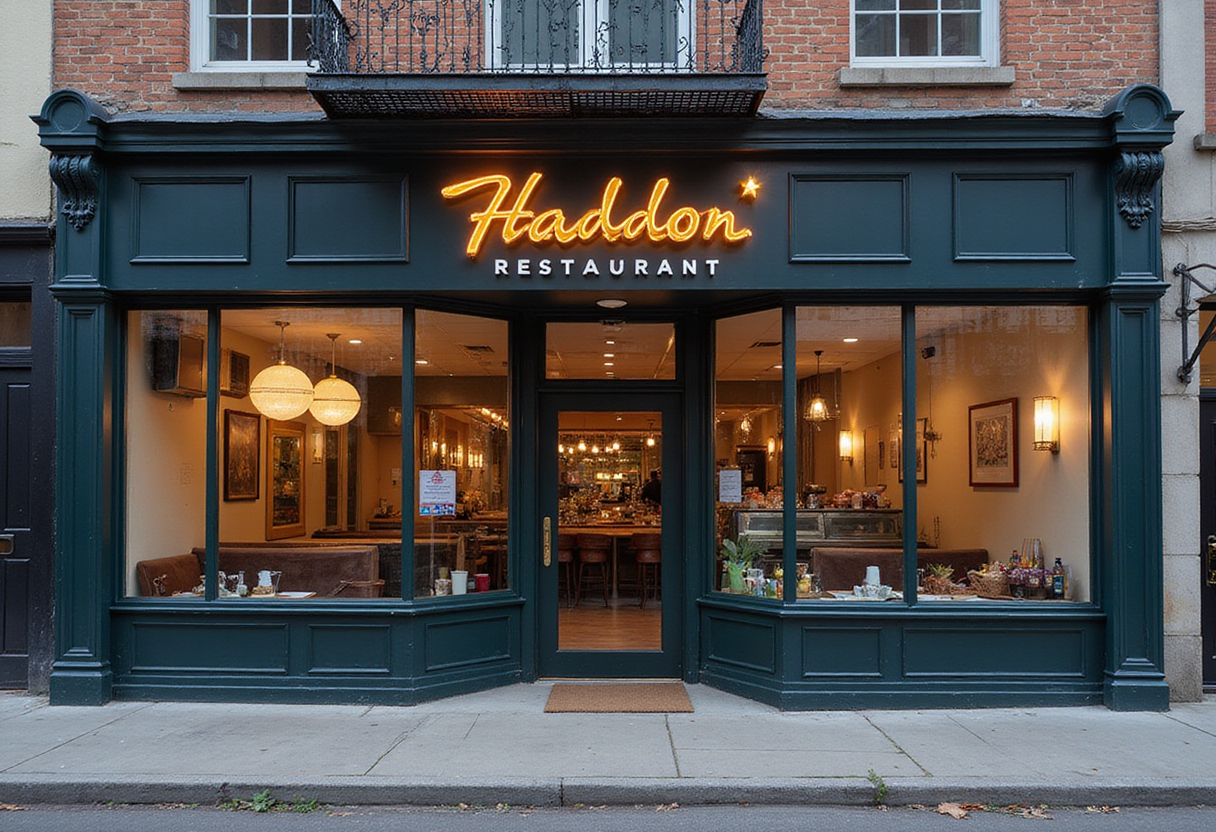
Plant-forward restaurant goodbeet announces plans to close
goodbeet, a plant-forward restaurant the Courier-Post calls popular, plans to close. The headline carries no unit figure or owner name. Here's why plant-forward margins stay fragile.
Plant-forward restaurant goodbeet announces plans to close
Goodbeet, a plant-forward restaurant the Courier-Post calls "popular," has announced plans to close. The headline, published this week by the New Jersey-based daily, gave operators no closing date, no unit count, and no owner name to work from. That's the first thing to flag.
What the announcement actually says
The Courier-Post ran a headline only. There is no closing date, no address, no ownership group, and no operating-cost breakdown in the available reporting. Restaurants that "announce plans to close" sometimes pivot — a sale, a relaunch, a single-location shutdown — so the prudent read here is "direction," not "verdict."
Why the plant-forward math stays fragile
Goodbeet sat in a tricky spot on the menu-engineering chart. Plant-forward kitchens — those built around vegetables without going fully vegan — try to hold check averages near traditional protein levels while trimming food cost through produce. The math reads better in a P&L summary than it runs at the pass.
A steakhouse buying center-of-plate protein at $14 to $22 a pound has a clear plate-cost anchor. A cauliflower steak or a slow-roasted heritage carrot needs comparable flavor development — brining, smoking, fermenting — to justify a $22 to $28 check. That work loads onto labor, not food cost. Labor percentage is the line item most operators can't flex without breaking service.
The commodity drag that hits produce harder
Plant-forward menus also track ingredient markets that beef and chicken don't follow. Avocados, specialty grains, coconut products, and seasonal produce move on global swings. When freight spikes or a growing region gets hit by weather, a produce-heavy P&L drifts with it. There's no commodity hedge the way ground beef or chicken tenders offer operators.
Where labor percentages get squeezed
Flavor development isn't the only place labor creeps in. Plant-forward menus typically need more prep cooks, more knife work, and longer ticket times. A well-trained line that can turn a complex plant entrée in eight minutes is rare. Most operators run closer to twelve, which adds a cook to the dinner schedule. That's another percentage point of labor — gone.
What this changes for the block
The closure pulls another plant-forward name off the casual-dining map. For neighboring operators, the open question is whether the space reopens as a new concept or sits dark. If the real estate comes back carrying a plant-forward brand, the addressable market for similar independents in the area may tighten for a quarter or two.
What's still unanswered
The Courier-Post hasn't disclosed a closing date, the number of locations affected, or whether the brand will reappear in a smaller form. Until an operator statement, a landlord filing, or a social-media farewell confirms what the paper hasn't yet said, treat this as a category under stress — not a verdict on every plant-forward concept. Watch for the next filing; the answer is usually in the landlord's office, not the dining room.
More from Olivia Hart
Show full bio
Staff writer covering regulation, policy and their impact on Restaurant and hotel operations at The Pass Brief.
325 articles