Philippines travel tax repeal risks tourism funding gap
The Senate may repeal the 1,620-peso outbound travel levy by year-end, but the proposed budget has no TIEZA replacement, risking airport, water and park projects.
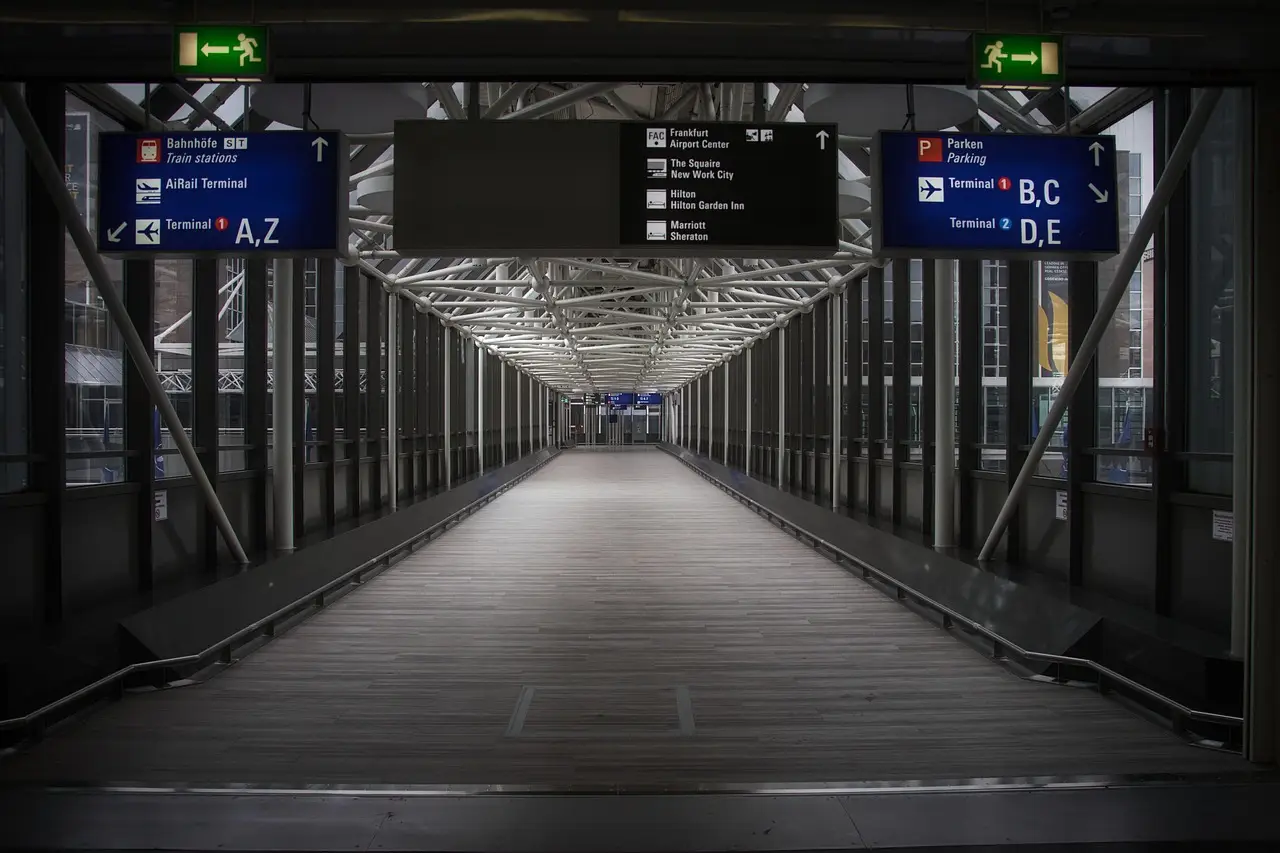
The Philippines collected 8.7 billion pesos ($136 million) from its outbound travel tax in 2025. At a September budget hearing, Tourism Infrastructure and Enterprise Zone Authority (TIEZA) chief operating officer Mark Lapid told lawmakers: “About 95% of the agency's operations are at risk without replacement funding.”
The stakes extend beyond a cheaper trip abroad. The Travel Tax Abolition Act of 2026 would remove a nearly 50-year-old levy charged to Filipinos on each outbound trip. The standard levy is 1,620 pesos ($25); first-class travel carries 2,700 pesos ($42).
The House approved the repeal on March 16. The Senate aims to pass its version by year-end. Both chambers must agree on final language before President Ferdinand Marcos Jr. can sign. Marcos has listed the bill among his priority measures.
What happens to the tax revenue?
Half of the 2025 collections went to TIEZA, while the balance funded higher education, arts and culture programs within the wider national budget that year. The proposed national budget contains no replacement funding for TIEZA's infrastructure work.
That leaves major projects exposed to a budget hole. Repeal would also remove funding for higher education, arts and culture. The allocation makes repeal a spending decision, not merely a tax adjustment.
Which infrastructure projects face the shortfall?
TIEZA's portfolio covers three destinations and the domestic airport system.
- El Nido, Coron and Baguio: water and sewage work.
- Baguio: restoration of Burnham Park.
- Domestic aviation: upgrades to 10 airports.
Water systems, Burnham Park and airport upgrades shape the operating environment for hotels and attractions across markets that depend on dependable transport and reliable visitor access. The funding decision reaches beyond any single tourism program.
Tourism Secretary Christina Frasco warned that repeal without replacement funding could jeopardize infrastructure, education and heritage programs.
Why are hotel investments moving without the tax change?
Leechiu Property Consultants said the tax debate has not significantly affected hotel investment decisions. Roads and airports have. The pipeline has not stopped; access drives development.
Leechiu's project totals show that transport access, rather than the unresolved tax debate, is exerting the clearest influence on hotel development pipelines across Boracay and Baguio.
- Boracay has 3,678 rooms in the pipeline across 14 projects.
- Baguio's pipeline grew 78% in two years to 1,454 rooms after highway improvements.
These figures measure pipeline projects rather than operating performance. Leechiu did not provide occupancy, average daily rate (ADR) or operating margin, the revenue share left after operating costs. The figures cannot establish profitability, but they identify the development preference: transport upgrades over the status of a travel levy.
The Philippine Hotel Owners Association opposes repeal in its current form. It argues abolition would push spending abroad while leaving domestic tourism projects underfunded. Its case is about redirecting money, not stopping travel. The trade-off is blunt: lower outbound costs or more domestic infrastructure funding.
Can the repeal clear final review?
The Senate's year-end target still requires agreement between the two chambers. Lawmakers must then send a final text to Marcos for signature. A yes vote without a funding plan would leave TIEZA facing the 95% operating exposure Lapid described, with projects across three destinations and 10 airports left in uncertainty.
Leechiu's figures show where hotel development is moving. In the consultancy's account, the pipeline follows better roads and airports, not the tax bill. The year-end test is therefore about replacement funding as much as repeal. The arithmetic remains unforgiving.
More from Rebecca Stone
Show full bio
Senior reporter covering technology and product news in Restaurant and hotel operations at The Pass Brief.
556 articles