Croatia Opens 785 Hospitality Jobs to Filipino Workers
Croatia has opened 785 hospitality jobs to Filipino workers, creating a structured recruitment channel for hotels and restaurants facing chronic seasonal staffing shortages.
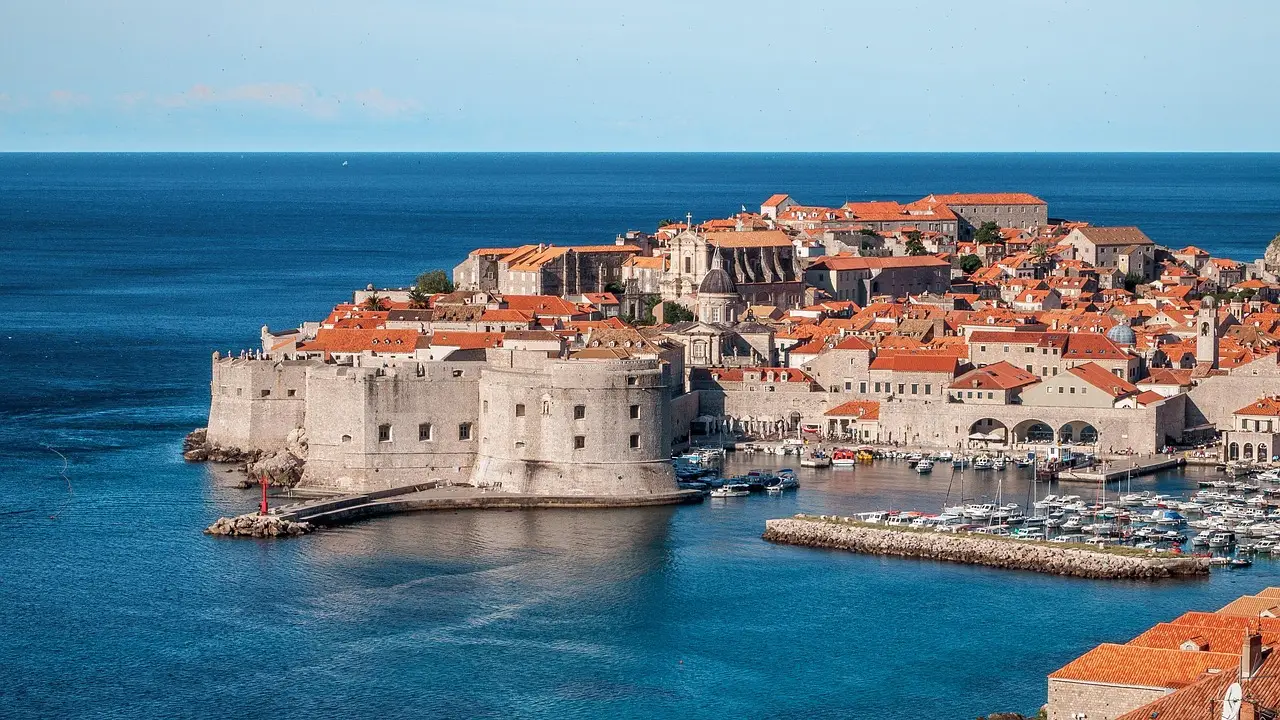
Croatia has opened 785 hospitality sector jobs to Filipino workers, marking one of the country's most concrete hiring windows for non-European labor in hotels, restaurants and tourism operations to date.
The number matters. It's 785 positions with a direct route attached — a structured recruitment channel between Croatian employers and Filipino candidates, rather than the scattered work-permit approvals that hospitality operators across the Adriatic coast have relied on in recent summers.
For Croatian operators, the move addresses a problem that has become structural. The country's tourism economy runs hot for roughly half the year, and staffing it has grown harder as domestic workers migrate westward into higher-wage EU labor markets. Restaurants and hotels along the coast have repeatedly entered peak season short-handed, forcing owners to cut hours, compress menus or run thinner service teams — all of which hit revenue during the weeks that carry the annual P&L.
Filipino labor is not a new answer for European hospitality. Filipino workers already staff hotel kitchens and service floors across the Middle East, the UK and parts of the EU, and the Philippines runs a government-supervised overseas employment system that recruits, documents and deploys workers under standardized contracts. That pipeline is what makes a number like 785 executable rather than aspirational.
What does this change for operators and workers?
For Croatian hospitality employers, it widens the labor pool beyond the neighboring Balkan and Eastern European countries that have traditionally filled seasonal roles but are themselves sending fewer workers abroad. A vetted, state-to-state recruitment channel cuts the friction — and some of the cost — of sourcing staff independently.
For Filipino workers, 785 jobs represent a foothold in an EU tourism market that has been largely closed to them at scale. Hospitality roles abroad typically come with employer-sponsored contracts, housing arrangements and wages set by the host country's labor rules, which in Croatia's case are governed by EU labor standards.
The bigger picture
One hiring round won't fix a sector-wide labor shortage on its own. But it signals where Croatian hospitality is heading: toward formalized international recruitment as a core staffing strategy, not a last resort. If the 785 placements land successfully — filled on time, retained through the season, renewed next year — expect the number to grow and the channel to become permanent infrastructure for an industry that can no longer staff itself locally.
The Pass Brief will track follow-up announcements on employer participation and deployment timelines.
More from Daniel Okafor
Show full bio
Correspondent covering companies, deals and strategy in Restaurant and hotel operations at The Pass Brief.
491 articles