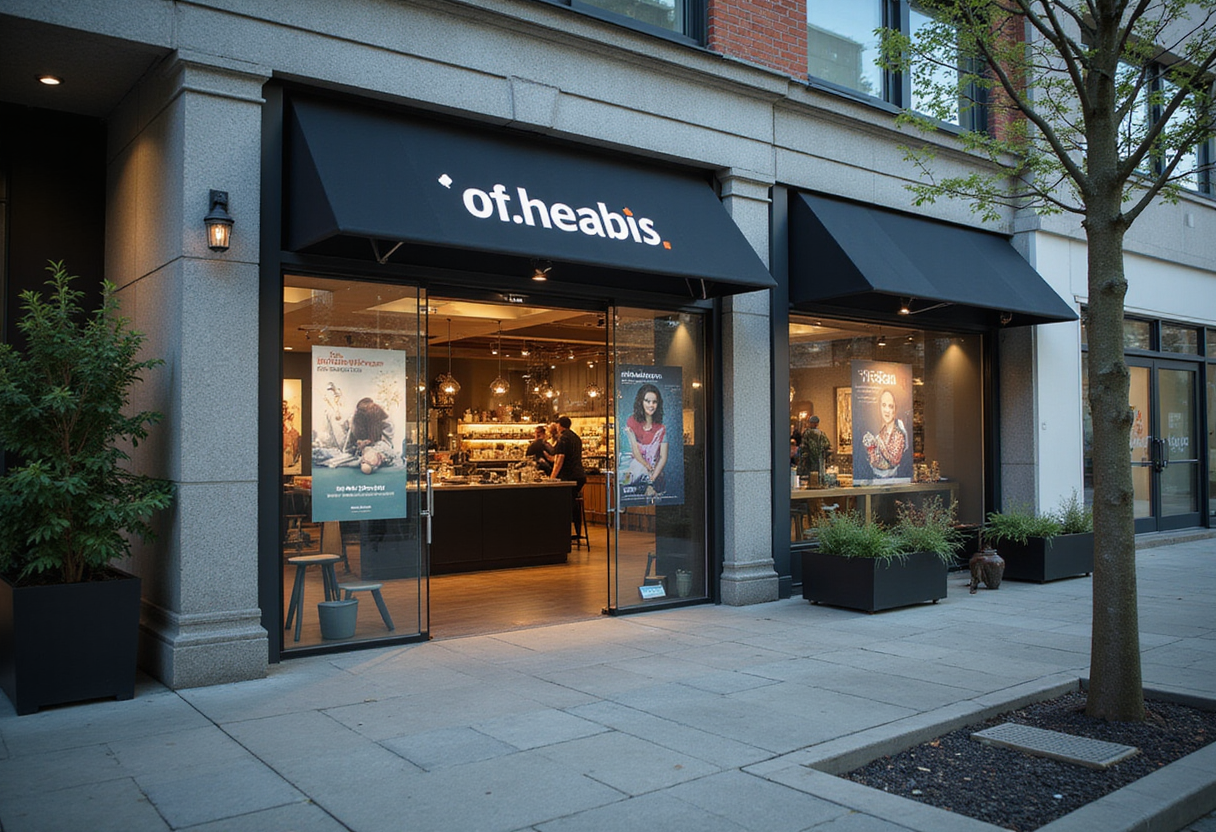
PDQ Marks 15 Years With Brand Refresh and Returning Fan Favorites
PDQ turns 15 and announces a brand refresh plus returning fan-favorite menu items. The economics behind both moves remain undisclosed.
PDQ is 15 years old this year, and the chicken chain is marking the anniversary with a brand refresh and the return of discontinued fan-favorite menu items, as first reported by QSR Magazine.
The announcement pairs two moves that chains usually stage separately. A visual refresh costs money and takes months to roll out across restaurants. Bringing back retired items costs comparatively little, because recipes and supplier specifications already exist. Together they signal a chain trying to renew its identity without a full repositioning.
Anniversaries are cheap pegs for marketing. The harder question is what the refresh changes operationally.
What do we actually know?
The reported facts are narrow. Three things are confirmed:
- PDQ has operated for 15 years.
- The brand is undergoing a refresh.
- Fan-favorite items are returning to the menu.
What the announcement does not say matters just as much. There is no word on how many units the refresh will reach, or on what timeline. There is no named agency behind the redesign. There is no list of which fan favorites are coming back, in which markets, or at what price points.
For a chain of PDQ's size, refresh scope is the difference between a signage swap and a full remodel program. Remodels run well into six figures per restaurant. Signage and packaging changes run far less. The announcement, as reported, does not distinguish between them.
Why bring back old items?
Returning discontinued items has become a standard menu-engineering play. The item arrives with built-in demand and zero recipe-development cost. Regulars already know it. Lapsed customers get a reason to return.
The risk is margin. Fan favorites were usually retired for a reason. Rising protein costs, labor-intensive prep, or slow line speeds can quietly kill an item even when guests love it. If those input costs have not improved, the returning items will return with thinner margins or higher prices. Neither outcome appears in the announcement.
There is also a sourcing question. A 15-year-old recipe may depend on suppliers or specifications that no longer exist at the old cost. Chains sometimes reformulate a "returning" item rather than reproduce it. Guests notice.
What is not in the announcement
No executive is quoted in the reported piece with specifics on unit counts, check averages, or sales targets. There is no statement on whether the refresh covers company-operated locations only, or franchises as well. Franchise systems typically split remodel costs between corporate and operators, and disputes over who pays can slow rollout by years.
There is also no sales context. A brand refresh at a growing chain reads as confidence. The same refresh at a flat or shrinking one reads as triage. Without traffic or unit-count data, observers cannot tell which applies here.
What to watch next
The proof will be in execution, not messaging. Watch for a rollout schedule, a remodel budget, and the actual returning-item list with prices. Those three disclosures will show whether this is a measured upgrade or a deeper operational reset.
Until PDQ publishes unit counts, pricing, and timeline, the anniversary refresh remains a promise with its economics attached.
More from Marcus Bennett
Show full bio
Market editor covering technology and product news in Restaurant and hotel operations at The Pass Brief.
393 articles