Orior Cuts Outlook as Pork Prices and Weak Volumes Bite
Swiss food group Orior cut its outlook to an 8-9% organic sales decline and a 5.0-5.3% EBITDA margin, citing pork prices, raw-material costs and weak travel-venue spending.
Orior lowered its annual sales and earnings forecasts on 26 November, cutting its organic sales outlook to a decline of 8-9% from the 6-8% fall it projected in August. The Swiss food-and-drinks group made the revision in a stock-exchange filing, blaming higher meat prices and what it called "challenging" market conditions.
The margin guidance took a harder hit. Orior reduced its adjusted EBITDA margin forecast from 6.3-6.6% to 5.0-5.3%, a cut of roughly 130 basis points at the midpoint (adjusted EBITDA is operating profit before interest, tax, depreciation and amortization).
Why is profitability eroding?
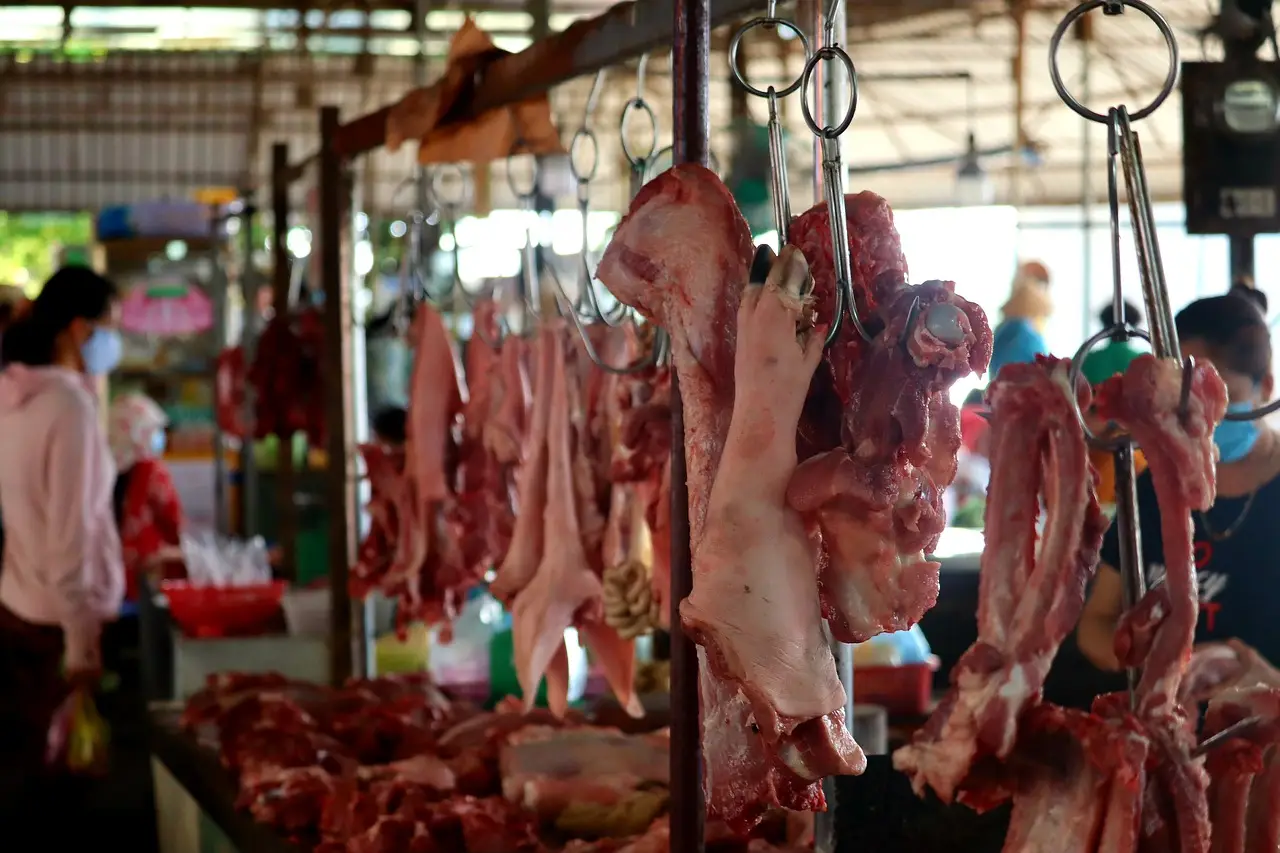
The company identified a stack of cost pressures concentrated in the second half of the year. Lower volumes in its meat-products business and higher pork prices are reducing profitability, it said.
Beyond the meat counter, raw-material shortages have increased procurement costs and disrupted supply. Higher crude-oil prices are adding to transport and packaging expenses, a reminder that freight economics reach the deli case.
Orior's Casualfood division, which operates travel-venue food outlets, faces a different squeeze: changes in passenger traffic and lower consumer spending per passenger. Travel hubs are only as profitable as the wallets passing through them.
"Declining sales and increased cost pressure are weighing more heavily on operating profitability than expected," the company said in the filing.
How is Orior responding?
Each division still makes a "positive EBITDA contribution" to group results, the company noted, despite the trading conditions. That distinction matters. The problem is compression, not collapse.
Management is pursuing four levers: increasing productivity, further optimising organisational structures, maintaining strict cost control and selectively passing on increased costs to customers. The word "selectively" is doing real work there — full pass-through is rarely available in a soft demand environment.
The bluntest line concerns labor. Orior said "aligning personnel costs with the lower sales level" is a key element of the programme. In plainer terms, headcount and wages will follow revenue down.
The company is also restructuring to lower debt, and said the measures identified — "closer collaboration", "clear priorities" and a "disciplined focus" on efficiency and costs — were starting to pay off.
When do the measures show up in the numbers?
Not soon. Orior expects the measures already under way to begin contributing from the 2027 financial year, meaning the current forecast represents a trough the company must manage through rather than a problem it can price away.
Leadership is new. Orior, whose portfolio includes Rapelli charcuterie and Biotta juices, appointed former Migros executive Dr. Peter Müller as CEO in May, so the cost programme and the debt-reduction effort now carry his imprint.
What does this signal for European food processors?
The Orior revision is a case study in stacked input inflation: pork, raw materials, crude oil, packaging and transport all moving against a processor simultaneously while volumes soften. Meat processors without pricing power absorb that squeeze in the margin line, which is precisely where Orior's guidance now sits.
The Casualfood exposure adds a second, structural layer. When passenger traffic shifts and per-passenger spending falls, a travel-retail food business loses leverage on both sides of the equation at once.
Investors will watch whether the 2027 timeline holds, and whether the 8-9% organic sales decline marks the floor. The measures are running. The numbers, for now, are not.
More from Rebecca Stone
Show full bio
Senior reporter covering technology and product news in Restaurant and hotel operations at The Pass Brief.
754 articles