OpenTable: Mexican Diners Spend MX$370 Extra Per Restaurant Visit
85% of Mexican diners shop at nearby businesses around restaurant visits, spending an additional MX$370 on average, OpenTable's first Mexico impact report finds.
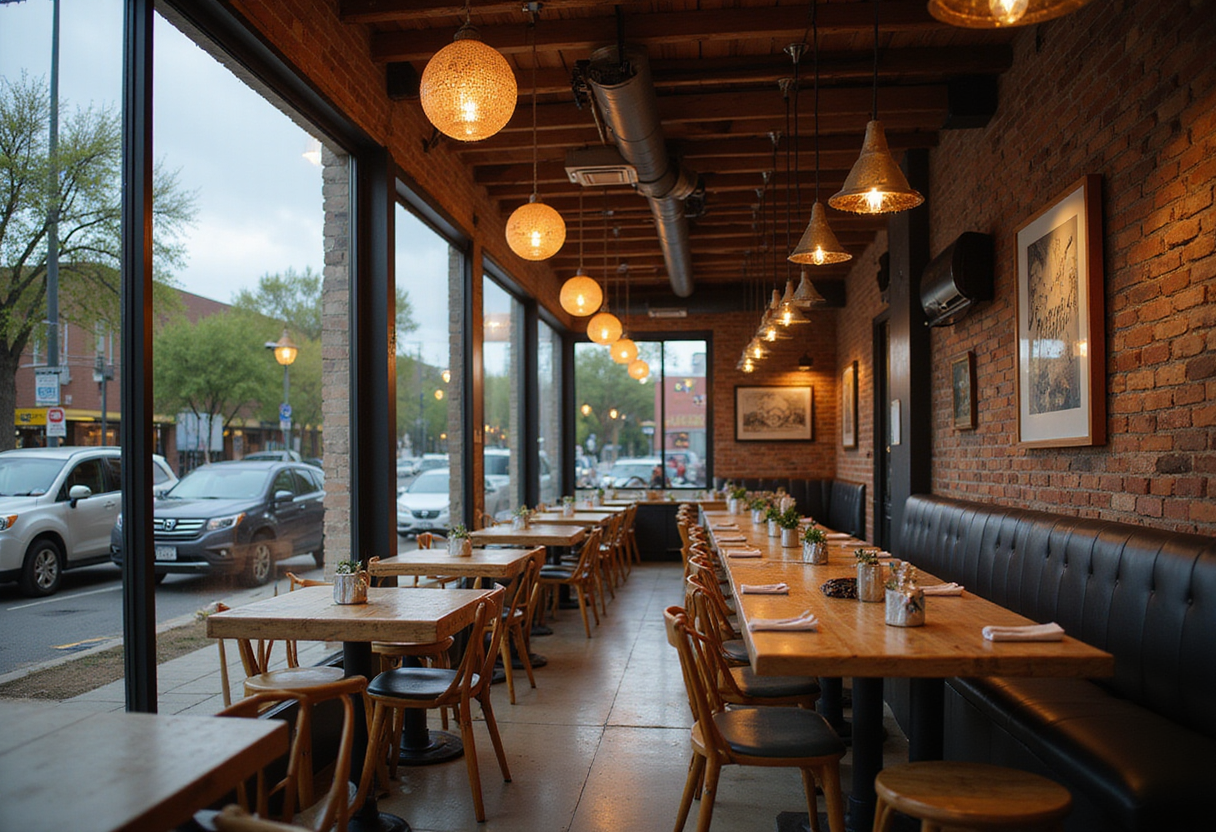
Eighty-five percent of Mexican diners shop at nearby businesses before or after eating out, spending an additional MX$370 per visit on average, according to OpenTable's first Restaurant Impact Report in Mexico. That halo spending, multiplied across a population that eats out frequently, gives restaurants an outsized role in local commerce: 59% of Mexican diners visit a restaurant, bar or café at least once a week.
The number of diners at active restaurants on OpenTable's platform grew 16% between July 2025 and June 2026 compared with the previous period. OpenTable cautions that the figure reflects its own activity in Mexico rather than growth across the entire restaurant industry.
"Restaurants occupy a central place in Mexico's daily life. They create jobs, support local businesses and bring people together," said Juan Luis Reed, General Manager for Latin America, OpenTable.
How large is the sector's economic footprint?
Mexico has more than 740,000 food preparation and service establishments, according to the National Statistical Directory of Economic Units (DENUE). The sector generates more than 2.5 million direct jobs, plus millions of indirect jobs across a value chain spanning farmers, suppliers, distributors, logistics, services and tourism.
Among industry workers surveyed, 83% strongly agree that the restaurant where they work plays an important role in the local economy.
"Behind every restaurant is a broad value chain that connects the countryside, producers, suppliers, distributors and kitchen teams, generating jobs and economic impact," said Claudia Ramírez, Executive President of the National Chamber of the Restaurant and Seasoned Food Industry (CANIRAC).
The economics remain tight, though. Workers identified rent, fees and other fixed costs as the main challenge facing their businesses, followed by rising food and beverage costs and low profit margins.
Why do restaurants matter socially?
The survey frames restaurants as community infrastructure rather than mere food outlets. Diners reported the following:
- 44% see local restaurants as spaces to reconnect with friends and family
- 37% treat them as part of their weekly routine
- 31% choose them to celebrate important moments
- 93% consider restaurants important for creating a sense of community
- 92% say eating locally brings people together and supports personal and social well-being
The relationship runs both ways. Among workers surveyed, 53% say regular customers make their workdays more enjoyable, and the same share say those customers give them a sense of purpose or connection to the community.
What does a no-show actually cost an operator?
Reservations anchor staffing plans, purchasing and inventory. The report quantifies what happens when diners break them: while 77% of diners recognize that not showing up can hurt a restaurant, 36% admit to missing a reservation without canceling at least once in the past year, and 27% say they made multiple reservations for the same occasion to decide later which to attend.
Workers say a no-show can force the restaurant to absorb several hits:
- 64% report turning away another reservation
- 50% cite absorbed staffing costs
- 32% point to wasted food and supplies
On average, workers estimate an empty reserved table for two costs a restaurant MX$147, though the amount varies by establishment.
Could deposits change diner behavior?
The data suggests operators have pricing levers available. A majority of diners — 55% — say knowing the economic impact of a no-show would make them more likely to attend or cancel in advance. Diners also say they would accept a refundable deposit or a credit card guarantee of MX$154 per person to secure a table at a restaurant they truly want to visit.
With awareness of no-show costs still uneven and deposit acceptance already on the table, Mexican operators have a measurable case for tightening reservation policies as fixed costs and food inflation continue to squeeze margins.
More from Rebecca Stone
Show full bio
Senior reporter covering media and advertising at The Pass Brief.
225 articles