One Dead, Three Children in ICU in Brookshire Farms E. coli Outbreak
One death and three children in ICU mark the E. coli O157 outbreak linked to Brookshire Farms in California; officials cite corn cups, pumpkins, hay and non-potable water as notable exposures.

One person has died and three children are in intensive care in an E. coli O157 outbreak tied to Brookshire Farms in San Luis Obispo County, California. Five people who visited the farm have tested positive for the pathogen, and another ten who visited may be sick as well.
All five confirmed patients visited the farm on October 17 or 18, 2026, according to local reporting. Three of the patient isolates were a genetic match, which means those patients were exposed to the same source. The farm offered a pumpkin patch for visitors along with food service.
The San Luis Obispo County Health Department has not posted details of the fatality, and it's not known whether the person who died was a child or an adult.
What do the illnesses involve?
Three of the five confirmed patients are children in intensive care. That severity points to hemolytic uremic syndrome (HUS), a form of kidney failure that's a known complication of Shiga toxin-producing E. coli (STEC) infection. HUS is the reason STEC outbreaks, unlike many foodborne illnesses, are treated as medical emergencies rather than stomach bugs.
In plain terms: this is the strain of E. coli that public health agencies track most closely, because it can move from diarrhea to kidney failure in young children within days.
What did investigators find at the farm?
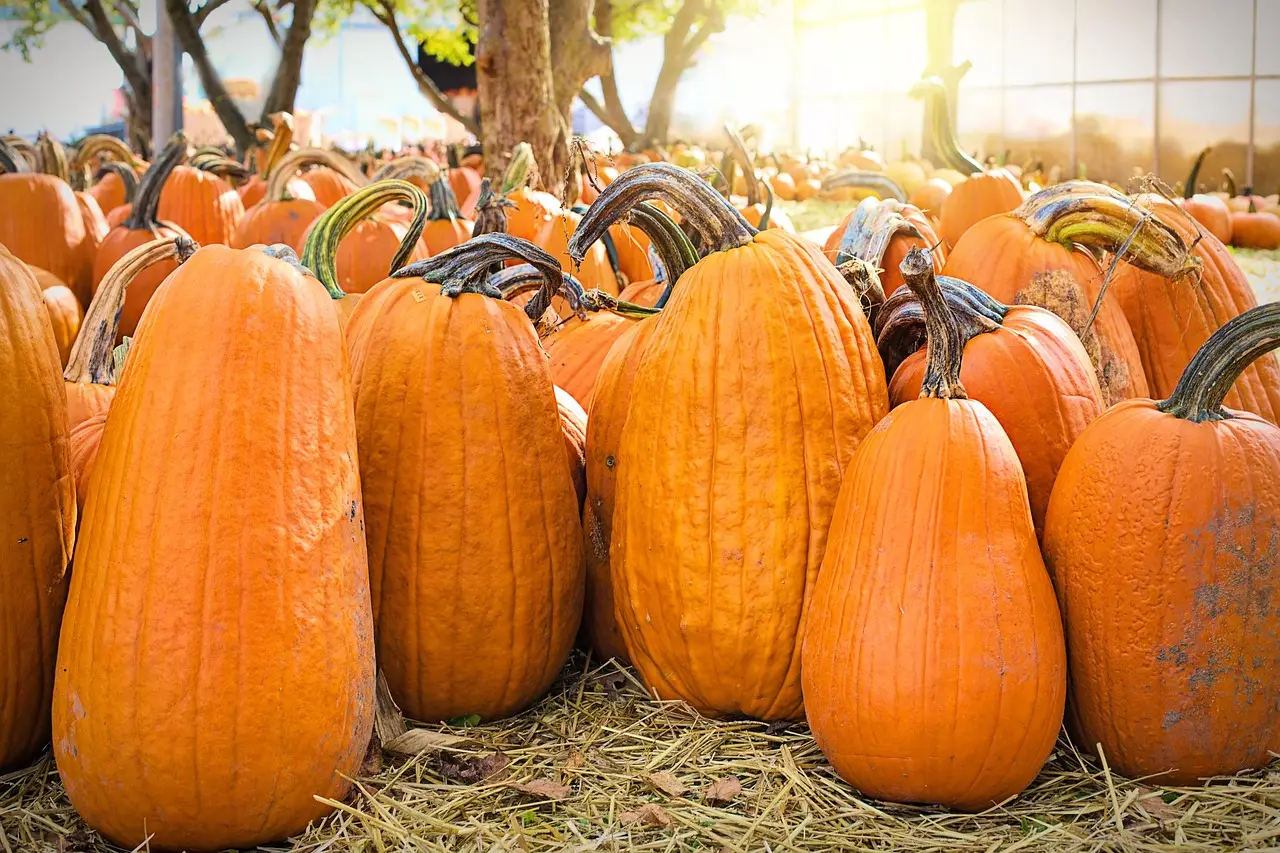
The health department laid out what it knows in a statement to the Cal Coast Newsroom: "Some potential exposures common to infected individuals remain notable, including edible corn cups, pumpkins, hay, and non-potable water sources, although no specific source of the E. coli O157 was identified. No farm animals or petting zoos, which are a common source of STEC, were available to the public or operating within the farm premises."
That last detail matters. Most similar farm-visit outbreaks trace back to animal contact or petting zoos, so the absence of animals on the premises makes this outbreak unusual. The remaining suspects — food service items like the corn cups, produce, hay, and non-potable water — are all documented transmission routes for the bacteria.
Officials do not believe there is an ongoing risk to the public at this point.
Why didn't testing find the source?
Testing of water, food, and other samples at the farm did not detect E. coli O157 specifically. Investigators did find other strains of the bacteria, but nothing that identified the outbreak source. That's a common outcome rather than an investigative failure. Outbreak sampling is limited because there are many possible sources to test, and delays between the time of exposure and the time samples were collected degrade what testing can show.
It's also worth noting what else the bacteria can do. E. coli can contaminate virtually any food or drink, and an infected person handling food can spark an outbreak on their own — meaning a human carrier, not a contaminated surface or water line, remains a live possibility.
What does this change for farm-visit operators?
For agritourism and seasonal attractions running pumpkin patches, hayrides, and on-site food service, the case is a reminder that STEC risk doesn't disappear when animals aren't part of the offering. Non-potable water used anywhere near food or guest areas, and ready-to-eat items served outdoors, sit at the center of this investigation.
The county's investigation continues, and further case counts or a confirmed source could reshape the picture as genetic testing and patient interviews proceed.
By Olivia Hart, The Pass Brief
More from Olivia Hart
Show full bio
Staff writer covering regulation, policy and their impact on Restaurant and hotel operations at The Pass Brief.
692 articles