'Nobody's Spending $17 on an Egg Sandwich': Operators Rethink Menus
Restaurant owners say inflation is forcing hard menu choices, with one putting the consumer ceiling bluntly: "Nobody's spending $17 on an egg sandwich."
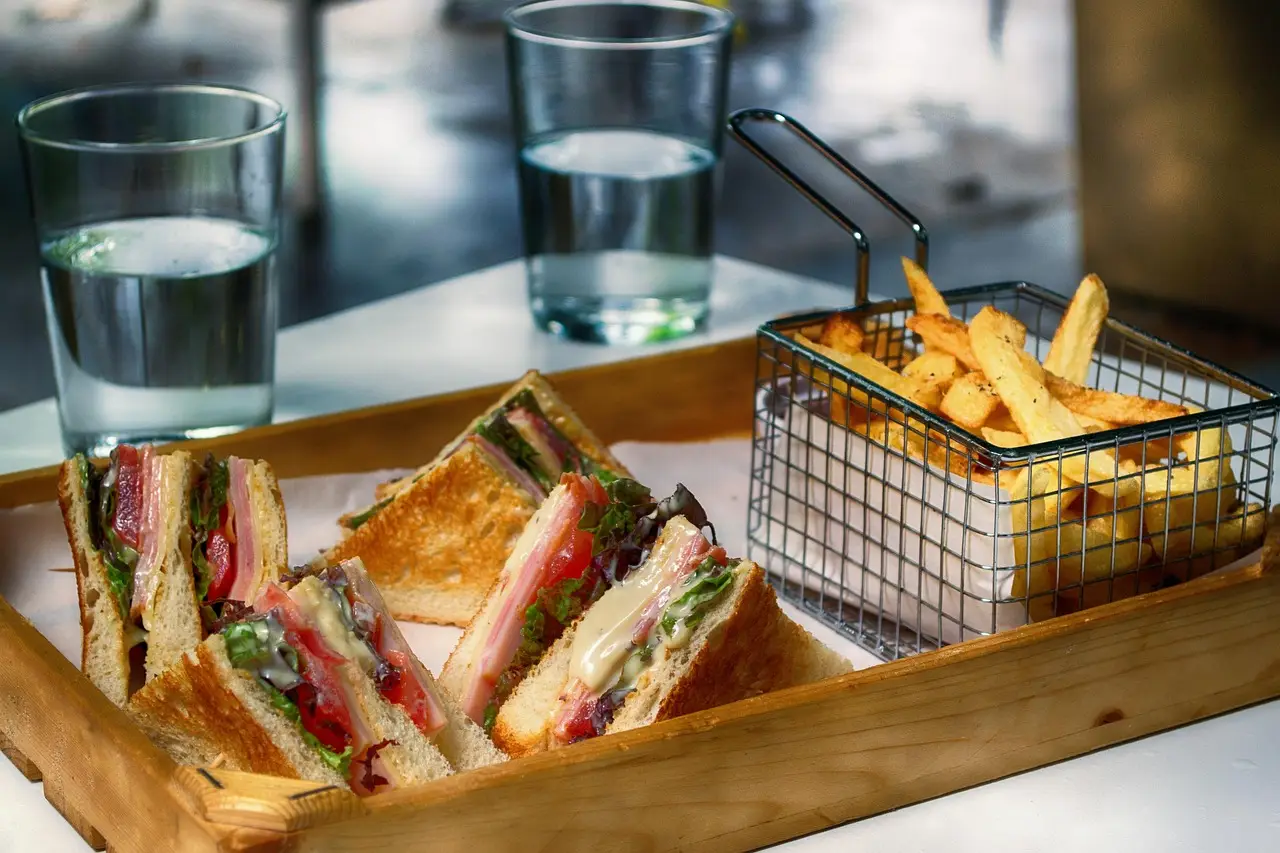
Restaurant owners say inflation is forcing them into hard menu choices, and one owner put the ceiling on consumer tolerance bluntly: "Nobody's spending $17 on an egg sandwich." The remark, reported by Fox News, distills the core problem now facing food service operators across the country: input costs keep rising, but guest willingness to pay does not.
The math is unforgiving. When a single ingredient climbs in price, the operator cannot simply scale the menu price to match. Breakfast items built on eggs illustrate the bind. An egg sandwich carries a narrow margin at the best of times. It competes against a cheap retail alternative — the same sandwich assembled at home for a fraction of the check. Raise the price far enough to protect the margin, and the guest stops ordering. The quote above marks where many owners believe that limit sits.
What does inflation change on the menu?
Owners describe a narrowing set of options. Each one trades something away.
- Reprice the item. Pass the cost to the guest and risk fewer orders. Owners say the $17 egg sandwich is a price no one will pay.
- Shrink the portion. Hold the sticker price and reduce what the plate delivers. This protects the ticket but tests repeat visits.
- Reformulate the dish. Engineer the recipe around cheaper inputs, trimming expensive components or substituting lower-cost ones.
- Drop the item. Remove menu entries where the economics no longer work at any price guests accept.
None of these is free. Every path touches either revenue, cost of goods, or the guest's perception of value. Owners quoted in the report frame the current environment as a sequence of these trade-offs, not a single decision.
Why breakfast is the pressure point
Egg-based items sit at the exposed edge of the menu. Breakfast carries the strongest value expectations of any daypart. Guests anchor a breakfast sandwich to a low single-digit price. They do not apply the same tolerance they show at dinner, where a $30 entrée reads as normal.
That anchor is what makes the quoted line land. Seventeen dollars is not a number anyone suggested as a real menu price. It is the owner's shorthand for the point at which demand collapses. The claim implies operators have already tested the middle ground and watched guests walk.
The report does not say which markets or which operators supplied the examples beyond the quoted owner. It does not attach specific cost figures to individual ingredients. Readers should hold the $17 figure as an illustrative ceiling, not a documented menu price.
What the story leaves open
The reporting captures the operator's side. It does not quantify the sales impact of past price increases, and it does not cite supplier data on how much input costs have moved. Without those numbers, the $17 line is anecdote, not benchmark.
It is also silent on segment. A quick-service owner and an independent café face the same ingredient inflation under very different cost structures. Franchise systems may absorb or delay price moves that a single-unit operator cannot. The report does not draw those distinctions, so treat its claims as spanning operators broadly rather than describing any one chain.
There is no regulatory angle here, no agency deadline, no mandate driving the costs. This is a market story. Suppliers raise prices, owners respond, guests decide. The decisions compound from there.
What comes next
Owners expect the squeeze to continue shaping menus, not just prices. Expect more reformulation, tighter portion control, and pruning of low-margin items as operators protect what they can without crossing the ceiling the quote names. How long guests keep trading down rather than staying home will decide how much of the menu survives in its current form.
More from Marcus Bennett
Show full bio
Market editor covering technology and product news in Restaurant and hotel operations at The Pass Brief.
484 articles