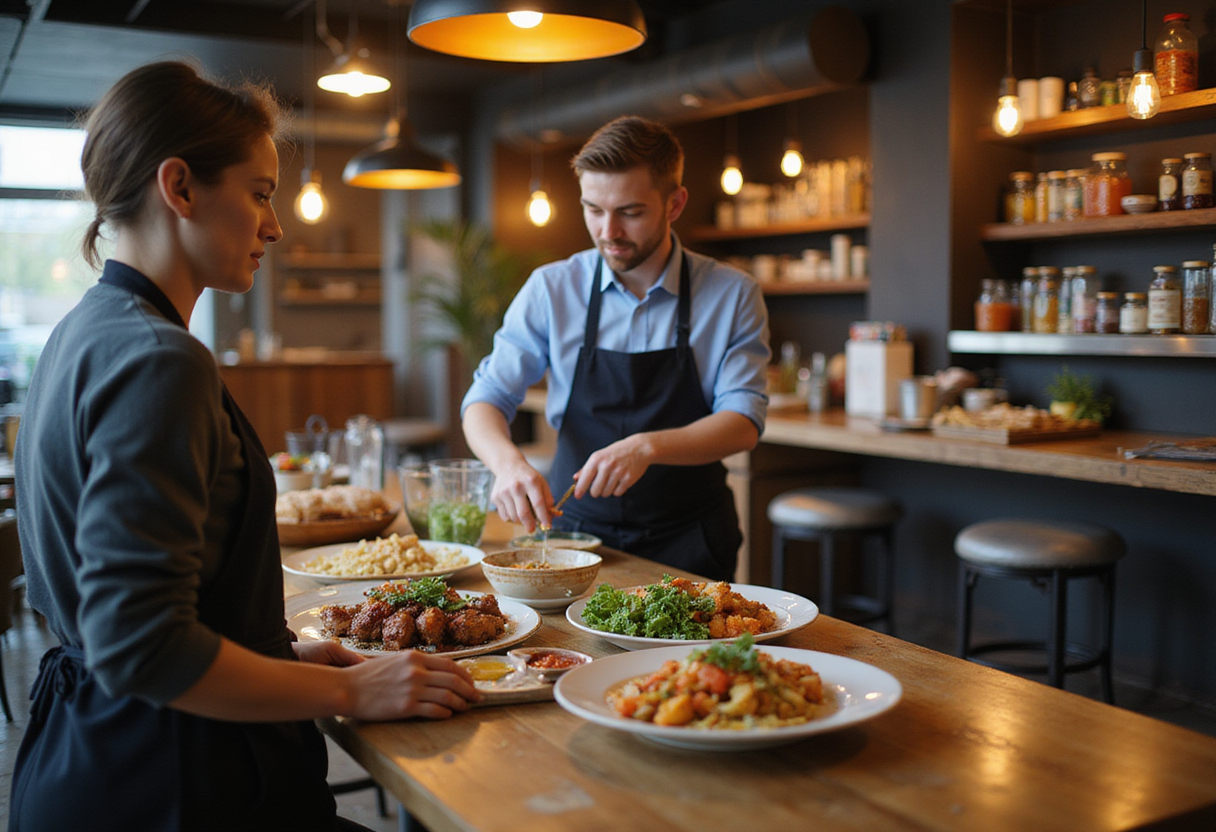
Restaurant Meals Versus Home Cooking: The Price Gap Operators Can't Ignore
Forbes compares the cost of eating out against home cooking. The widening price gap is now a traffic problem for operators — and a menu-engineering problem too.
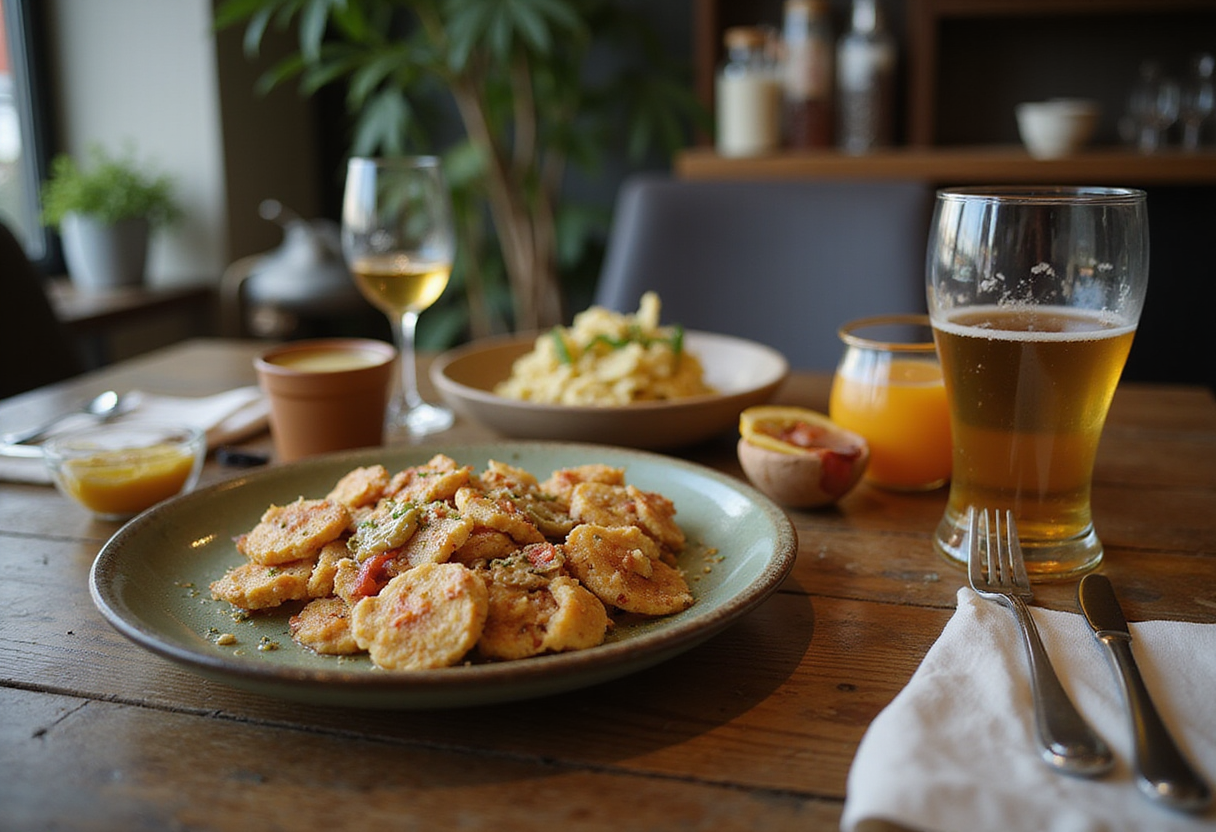
Forbes has published an analysis comparing the cost of restaurant meals with the cost of preparing the same food at home, a question that sits at the center of every operator's traffic forecast this year.
The piece frames the issue directly: when the price of eating out rises faster than the price of groceries, diners have a financial incentive to trade down, cut visits, or stay in altogether. That gap — not sentiment, not weather — is one of the most reliable predictors of same-store traffic in casual dining and fast casual alike.
The mechanics are straightforward. A menu price covers far more than ingredients. It carries labor, rent, utilities, credit card processing, packaging, third-party delivery commissions, and the margin the operator needs to keep the doors open. A home-cooked meal carries the grocery bill, the energy to cook it, and the shopper's own unpaid labor. When food-at-home inflation runs cooler than food-away-from-home inflation, the spread widens and the value equation tilts toward the kitchen.
For operators, the strategic question the analysis raises is how to defend pricing without losing frequency. The standard playbook has three leves: menu engineering that shifts mix toward high-margin items, portion and bundle architecture that anchors a perceived entry price, and limited-time offers that reset the value signal without a permanent cut. Chains that have leaned on price alone — pushing check averages ahead of grocery inflation year after year — have generally paid for it in transactions.
The economics cut differently by segment. Quick-service operators can still land a full meal below the cost of a home-cooked protein-plus-sides dinner once shopping time and waste are priced in. Full-service operators cannot, and their defense has to run through experience, convenience, and occasions the home kitchen cannot replicate — not through competing on plate cost.
The pricing environment that created this gap was not accidental. Menu prices rose sharply through the post-pandemic cost cycle as operators passed through commodity spikes, wage floors, and labor scarcity. Food-at-home prices eventually cooled while menu prices largely stayed at their new level, because operators were rebuilding margins, not testing them. The result is a sticker-price gap that is now visible to every diner who shops weekly and eats out monthly.
For independent restaurants, the analysis is a caution against assuming the current check average is durable. For franchised systems, it is a watch item on value-menu economics, where franchisees absorb the cost of corporate price promotions. And for suppliers, widening home-versus-restaurant substitution is already reshaping channel mix — the same protein moves through retail coolers instead of broadline distributors.
The full Forbes comparison, including its specific price-gap figures across meal occasions, is worth reading for the numbers themselves. What operators should take from it is directional: the wider the gap grows, the more each restaurant visit has to be sold on something other than price — and the more vulnerable traffic becomes at the value end of the market. Expect pricing discipline, not price increases, to be the defining margin conversation for the balance of the year.
More from Marcus Bennett
Show full bio
Market editor covering media and advertising at The Pass Brief.
59 articles