Niseko Hotel Inventory to Jump 46% in 2026 as Operators Chase Summer Demand
Niseko's hotel supply will grow 46% to 2,519 keys by year-end 2026, per C9 Hotelworks. With July ADR up 15%, operators are betting that shoulder-season demand can absorb the new inventory.
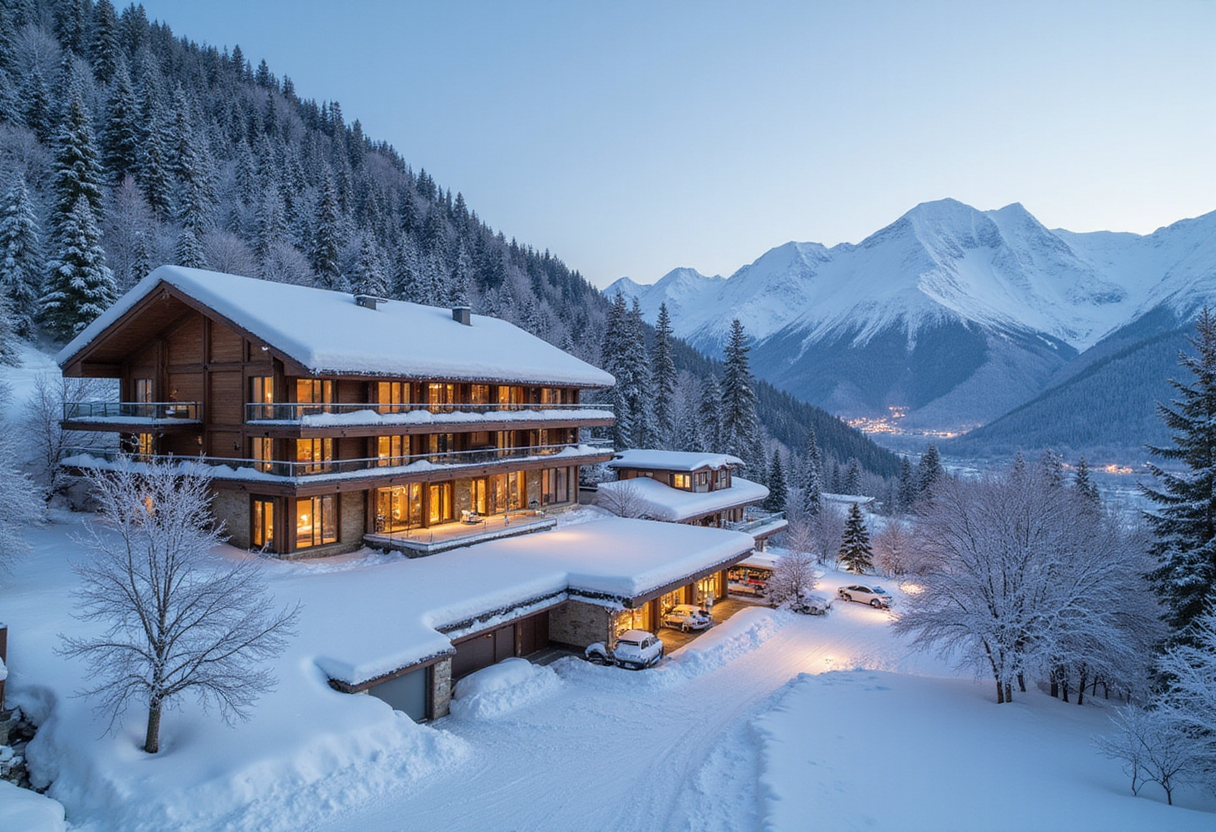
Niseko's hotel supply will grow 46% by year-end 2026, with 792 new keys entering a market whose investment case increasingly depends on trading beyond its dominant winter season, according to C9 Hotelworks' Niseko Tourism, Hotel and Property Market Review 2026.
The consultancy's annual benchmark, compiled with hotel performance data from STR CoStar, projects inventory rising from 1,727 keys to 2,519 as Moxy Niseko Village (310 keys) and Hotel101 Niseko (482 keys) come online. The scale of the expansion reframes the math operators have used since Niseko first emerged as Asia's premier powder destination, and it lands at a moment when summer rate growth is outpacing the winter engine that historically carried the property investment thesis.
"Niseko has built one of Asia's strongest winter markets, but 792 new hotel keys can't be filled in four months," Managing Director Bill Barnett said. "Our review shows demand deepening through longer stays and new North American access. The next chapter of Niseko's story will be written in the shoulder seasons."
What does winter 2025-2026 look like in the numbers?
Winter visitor arrivals across the Kutchan, Niseko and Rankoshi corridor rose 8.4% to 2.14 million between November 2025 and March 2026. International guest nights increased 32.9%, indicating that length-of-stay gains and source-market diversification are driving top-line growth faster than head-count growth alone. Stay patterns lengthened, with 24.5% of international overnight guests staying eight nights or more, up from 21.7% the prior winter — a meaningful shift for operators whose food-and-beverage capture and ancillary revenue depend on multi-night stays.
The United States is now Niseko's largest international source market by overnight guests at 40,504, up 15.2% year-on-year. Access improves in December when United Airlines from San Francisco and Air Canada from Vancouver each begin three weekly flights to New Chitose Airport, giving the resort two new long-haul entry points ahead of the 2026-2027 ski season.
What's driving the summer rate surge?
February 2026 occupancy reached 84.8%, up 6.0 percentage points, at an average daily rate of JPY 156,773 (USD 988). March RevPAR grew 24%. The winter peak still sets the ceiling on revenue per available room, but summer is where the rate story is shifting most aggressively:
- June ADR rose 10.6%
- July ADR rose 15% to JPY 40,209
- July occupancy improved 4.1 points to 41.1%
- July RevPAR lifted 27.7%
The summer ADR, at roughly a quarter of the February peak, illustrates the depth of the seasonal gap that new supply and new air access are attempting to close.
"July delivered year-on-year growth in both occupancy and rate, and ADR growth was the strongest of the past twelve months," said Atsushi Nozao of STR CoStar. "The opportunity now sits in April to June, when occupancy remains between 19% and 26%, well below winter levels."
What does the residential pipeline signal?
Primary residential supply rose 27.6% to approximately 2,500 units, the highest level across the 2018 to 2026 period reviewed. Fairmont, Hoshinoya, The Chedi and Aman are in the pipeline through 2030, pointing to operator appetite for branded residences tied to a year-round positioning rather than the seasonal ski-resort model. For owners, the residential component changes the unit-economics calculus: a buyer or fractional purchaser subsidizes fixed costs that a pure-room operator must cover through occupancy.
The forward question for investors is whether the 46% inventory expansion compresses winter RevPAR once the new Moxy and Hotel101 properties absorb their first full seasons, or whether North American demand growth and lengthening international stays absorb the keys while operators push shoulder-season ADR toward a viable annualized basis. With April-to-June occupancy still hovering below 26%, the next twelve months of summer performance will set the price discovery for Niseko's transition from a four-month destination to a year-round resort.
More from Daniel Okafor
Show full bio
Correspondent covering consumer brands and retail at The Pass Brief.
216 articles