Neuroinclusive Hospitality Hiring Starts Before Job Offer
Twenty-one percent of Marsham Court Hotel’s workforce has a declared disability. A report says hospitality can recruit and support neurodivergent talent more effectively.

By Elena Vasquez
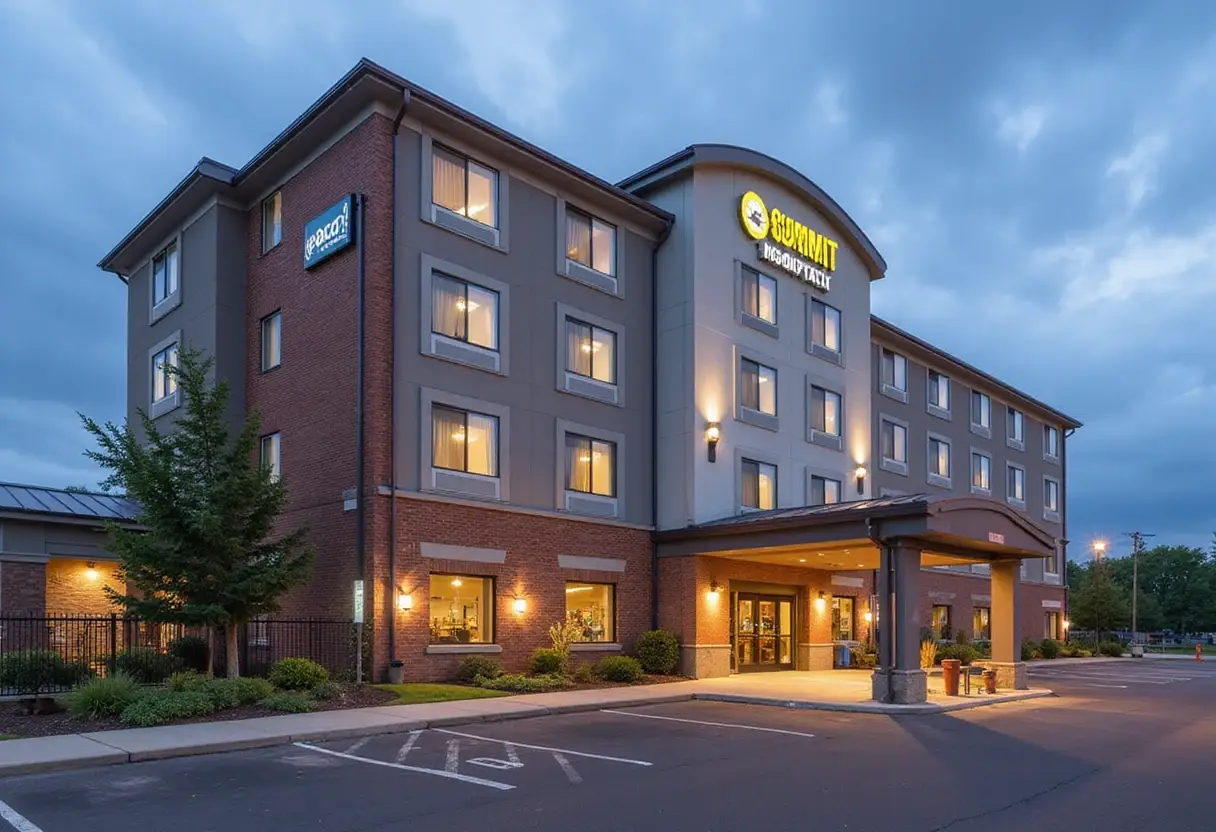
Twenty-one percent of Marsham Court Hotel’s workforce in Bournemouth has a declared disability, according to a report using the independent, family-run hotel as a neuroinclusive-employment case study. The figure covers disability overall, not neurodivergence.
The report, Neurodiversity at Work in Hospitality, draws on academic research, industry examples and supported hospitality training. It says standard applications, interviews, induction and management can exclude capable neurodivergent applicants before they demonstrate their ability. The full report is available under DOI 10.18746/tzn7-4c52.
For operators facing recruitment difficulties, skills shortages and turnover, the report proposes adjustments, not one universal model, without relaxing safety, service quality or operating requirements. It provides no cost or turnover data, so the financial case remains qualitative.
A process problem, not a capability problem
Neurodiversity describes differences in thinking, learning, communication and information processing. Neurodivergent covers autism, ADHD, dyslexia, dyspraxia and other differences, but is not a diagnosis; people with the same diagnosis can have different needs.
One worker may find noise exhausting; another may need longer to interpret written instructions. The report rejects stereotypes, asks each person what works and recommends reviewing arrangements as the job changes.
Hospitality rightly values personality, communication, flexibility and working under pressure, but employers can read those traits narrowly. A capable room attendant, kitchen assistant or administrator may perform well without matching a familiar interview style.
Recruitment can screen out the wrong thing
Lengthy forms, automated screening, broad criteria and interviews rewarding confident speech can look neutral while creating unequal access, the report says. A practical kitchen role may be better tested through a structured demonstration than hypothetical questions.
Job advertisements often seek an “outgoing personality” or someone who can “thrive in a fast-paced environment,” the report says. Those phrases can exclude candidates who communicate or learn differently but can still meet service, safety and operational demands.
Work with The CRUMBS Project, a Bournemouth-based disability training charity, reinforces that distinction. Peter Jones points to employer relationships, supported introductions, clearer pre-interview information and structured practical assessments because fixed systems can impede progress.
These are not shortcuts and do not lower professional standards. Employers must still test applicants against safety, service and operational requirements, separating essentials from customary practices.
The job starts after hiring
Recruitment is only the first stage. In a busy restaurant, shifting priorities, competing instructions and service that cannot wait can turn unclear expectations into an organizational failure rather than an individual deficiency.
The report recommends clearer task allocation, short pre-service briefings, visual prompts and specific feedback. Managers should agree on helpful arrangements and revisit them after changes in shifts, supervisors or duties.
Operations need not be redesigned wholesale; some adjustments need little effort, while others demand more supervisory attention, especially at smaller businesses with limited capacity. Support must continue after induction because arrangements can fail after a supervisor or duty change.
The report also challenges the habit of treating tolerance for disorder as commitment. Resilience matters, but it should not prevent workers from reporting failures without being seen as lacking commitment or asking for special treatment.
CRUMBS builds a route into work
The CRUMBS Project supports disabled people through hospitality, catering and life-skills training in Bournemouth. Not all participants are neurodivergent; programs combine practical instruction with confidence, independence and local-employer links.
Its cases distinguish outcomes: paid employment for some, and confidence, a qualification or independence for others. Training, volunteering and paid work have value but are not interchangeable.
Moving into mainstream employment remains difficult because a candidate who performs well in training may still face application or interview barriers. Partnerships let employers and CRUMBS set expectations and plan support early.
The goal is meaningful choice and opportunity rather than permanent reliance on specialist provision. When paid employment is the objective, operators need a credible route toward it.
Marsham Court puts inclusion into management
Marsham Court developed its approach from a family experience of disability and applies it to employees and guests. The independent Bournemouth hotel combines accessible recruitment with mentoring, training and CRUMBS links.
The arrangement gives trainees commercial-hotel experience while giving the hotel a better understanding of what employees can contribute and what support they need. The hotel has also received industry recognition for its inclusion work.
Co-owner James Dixon-Box serves as the UK Government’s Disability and Access Ambassador for Hospitality. Without a large international group or corporate HR department, the hotel shows smaller employers can make meaningful changes, with adaptation rather than as a universal model.
What should smaller operators change first?
The report asks operators to remove assumptions from hiring and extend support through development:
- Review job descriptions and remove nonessential preferences.
- Give applicants clear selection information and use practical assessments when they reveal more than conventional interviews.
- Explain tasks fully at induction; agree how instructions and feedback will be delivered; name a support contact.
- Review adjustments after changes in shifts, supervisors or responsibilities.
- Include neurodivergent employees in decisions on work, progression and support; do not assume everyone wants the same career path.
Smaller hotels, restaurants and cafés can use local charities, training providers and employment services when internal HR expertise is limited. Government and industry bodies can widen access to advice, but employers cannot outsource daily management responsibility.
The report calls for research involving neurodivergent hospitality employees, evidence on adjustments in different settings and data on employer resources. Its examples are encouraging, not proof that one approach works everywhere.
For operators trying to fill and retain teams, the practical test is whether each form, interview and induction reveals ability rather than conformity. Change the process, keep the standards and let the employee define workable support.
More from Elena Vasquez
Show full bio
News editor covering people, launches and day-to-day practice in Restaurant and hotel operations at The Pass Brief.
582 articles