EEOC Sues Summit Hospitality, Alleges Hotel Worker Fired Over Disability
The EEOC has sued Summit Hospitality, alleging a hotel worker was fired because of a disability. The case puts a spotlight on ADA documentation, the interactive process, and termination paperwork for hotel operators.
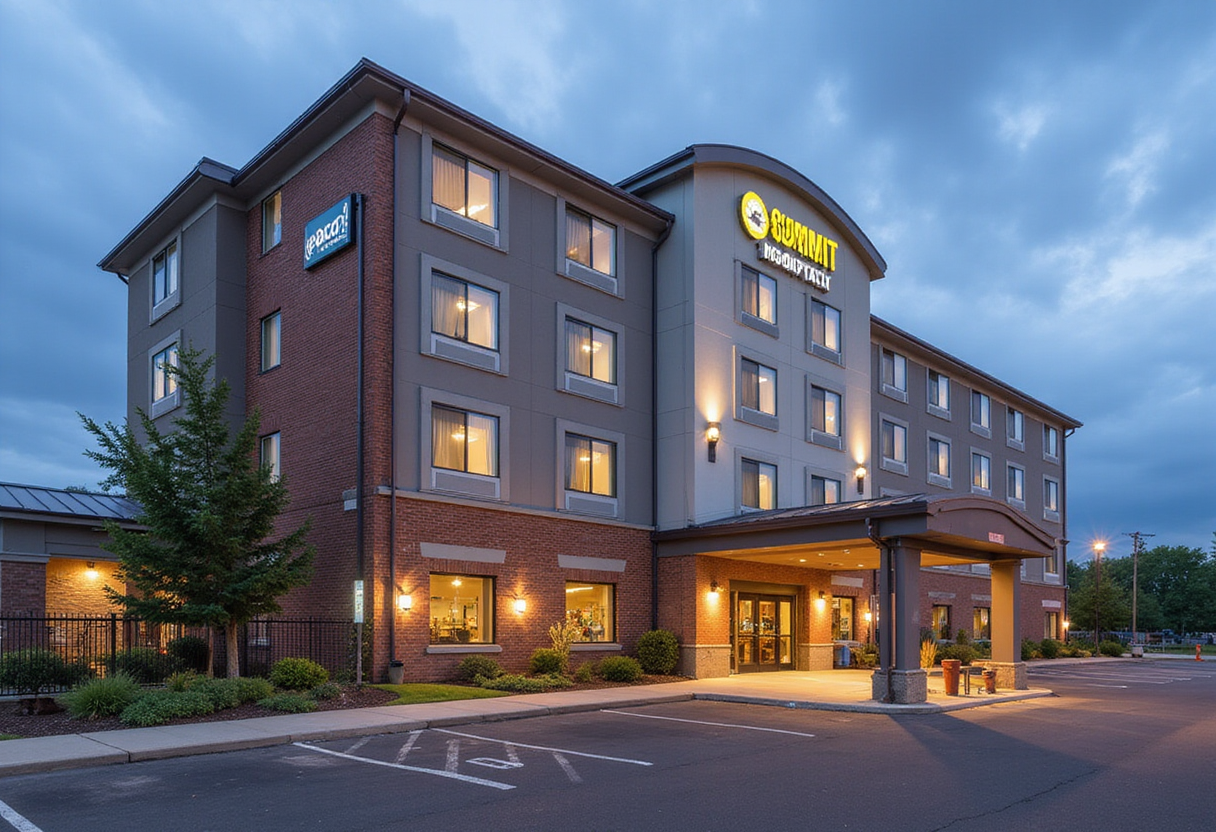
The U.S. Equal Employment Opportunity Commission has filed suit against Summit Hospitality, alleging the hotel operator fired a worker because of a disability, according to a report from Asian Hospitality.
The case centers on Title I of the Americans with Disabilities Act and how hospitality employers handle terminations connected to a worker's medical condition. The published headline gives no dollar figure, no venue, and no named plaintiff, so the full scope of the complaint will sit in the EEOC's federal court filing.
What the EEOC typically seeks
The agency's standard remedies in ADA-termination suits include:
- Back pay and front pay for the affected worker
- Compensatory and punitive damages, with statutory caps based on employer size
- Reinstatement, or front pay where reinstatement is not practical
- Targeted training, policy revision, and consent-decree monitoring
Hotel operators should read the Summit Hospitality headline as a framework reminder, not a company-specific cautionary tale. The ADA's accommodation and termination standards apply to every private employer with 15 or more employees, a threshold virtually every branded and most independent hotel properties clear.
How the ADA works in a hotel setting
Once a worker requests an accommodation or the employer recognizes a known limitation, the employer must engage in an "interactive process" to identify a reasonable adjustment.
Common hotel accommodation requests include:
- Lifting restrictions for housekeeping, maintenance, and food and beverage roles
- Modified schedules for treatment or recovery
- Assistive equipment such as ergonomic tools or amplification devices
- Reassignment to a vacant position when the current role cannot be adjusted
The employer may decline only when the accommodation poses "undue hardship" — significant difficulty or expense relative to the operation's size and resources — or when the worker cannot perform the essential functions of the job even with accommodation.
Why termination cases draw federal attention
EEOC investigations usually begin with a worker-filed charge, followed by fact-finding and, where the agency finds reasonable cause, conciliation. When conciliation fails, the EEOC may file in federal district court.
The agency takes a particular interest in cases where termination follows closely on a disclosed disability, an accommodation request, or a return from family and medical leave. Adverse action in that window invites scrutiny of the stated reason, and the agency will look for documentation supporting the legitimate, non-disability-based basis.
What operators should check now
Three operational items reduce exposure:
- Termination paperwork. Any separation involving a worker who recently requested an accommodation, disclosed a medical condition, or returned from leave should carry a written, contemporaneous record of the legitimate reason. The note belongs at or near the decision date, not after litigation begins.
- Accommodation logs. A running log of accommodation requests, interactive-process notes, options considered, and outcomes provides the primary defense when an aggrieved worker files a charge.
- Manager training. Hourly supervisors typically make the initial call on scheduling, light duty, and termination. Training on what questions to ask, what to document, and when to escalate delivers the most cost-effective control.
For Summit Hospitality specifically, the case will turn on what the termination paperwork shows and how the interactive process was documented. For the broader hotel industry, the filing reminds operators that the EEOC enforces the ADA's interactive-process obligation, and the cost of getting it wrong runs from back pay to consent-decree monitoring.
The EEOC is likely to keep disability-related terminations a priority across service-sector employers with large hourly workforces.
More from Elena Vasquez
Show full bio
News editor covering people, launches and day-to-day practice in Restaurant and hotel operations at The Pass Brief.
347 articles