Multidrug-Resistant Campylobacter Strain Found Across Nine European Markets
WGS of 217 isolates from nine countries identified multidrug-resistant Campylobacter coli ST10042, linked mostly to poultry. Researchers flag gaps in epidemiological data that prevent outbreak confirmation.
Researchers sequenced 217 isolates of a multidrug-resistant Campylobacter coli sequence type from nine European countries between 2018 and 2025, producing the largest cross-border genomic study of the organism to date. Whole genome sequencing identified clusters that challenge the long-held assumption that campylobacteriosis operates as a series of isolated, sporadic cases. The caveat: the dataset cannot, by itself, prove how the strain moved.
What did the genomic analysis reveal?
The study, published in the CDC journal Emerging Infectious Diseases, centered on sequence type 10042. Portugal contributed the largest number of isolates, driven by a peak that began in 2022. Germany and Luxembourg followed in volume. The same strain surfaced in France, Ireland, Denmark, the Netherlands, the United Kingdom, and Spain. Of 104 Portuguese isolates collected from 2020 to 2025, one main cluster accounted for 28 isolates and 15 smaller clusters contained 2 to 4 each.
Why does the poultry supply chain matter for operators?
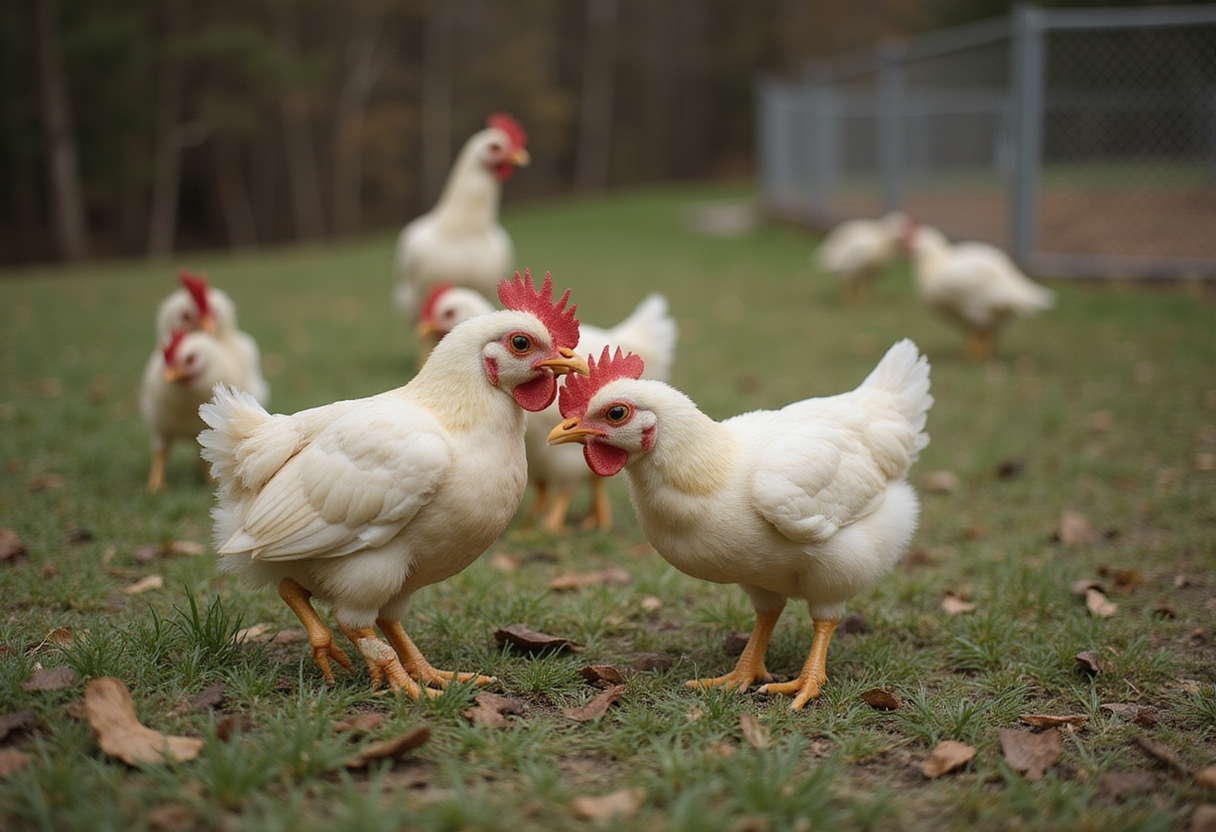
Poultry is the recognized reservoir for Campylobacter. The new data reinforces that pattern with stark numbers. Twenty-five of 30 animal and food-derived isolates traced to poultry. Food isolates were recovered from raw chicken and turkey meat in Portugal and from chicken-based prepared dishes in Luxembourg. The Irish cluster combined chicken and human isolates from 2021 and 2022, a pattern the authors described as consistent with an outbreak and possibly linked to chicken contamination. The dataset exceeds the sample throughput of most national campylobacter programs by roughly a factor of three.
What remains unanswered?
The authors were direct about what their evidence does not show. Lacking matched patient exposure histories and detailed supply chain tracing, the genomic clusters raise questions the study cannot resolve. No transmission route is confirmed. No outbreak causality is established. The Irish cluster suggests probable outbreak status, but the metadata required to prove it does not exist.
What do the authors recommend?
Scientists called for coordinated, cross-sector genomic surveillance to detect emerging antimicrobial-resistant lineages. "These findings demonstrate that Campylobacter coli infections can involve sustained international transmission rather than sporadic cases and highlight the need for coordinated, cross-sector genomic surveillance to detect emerging antimicrobial-resistant lineages," the researchers wrote. They issued no recall recommendation and no processor-specific guidance.
What should hospitality buyers monitor?
Restaurant groups sourcing poultry across European borders should treat country-of-origin as a leading indicator rather than a back-office detail. The 217-isolate total spans the same supply chain that ships breast meat, thighs, and raw preparations between member states. No cost figures and no recall numbers appear in the study. Operators should note that whole-genome surveillance exists in some European systems but not all; an unreported cluster carries no signal of safety.
The strain's appearance in databases across Europe suggests it circulated before the 2018 study window. Whether ST10042 becomes a dominant lineage or a regional footnote depends on surveillance investment that has not yet been announced.
More from Marcus Bennett
Show full bio
Market editor covering technology and product news in Restaurant and hotel operations at The Pass Brief.
325 articles