CDC Closes 1,253-Case Salmonella Outbreak Tied to Backyard Poultry
CDC closes the books on 1,253 infections across 46 states and Puerto Rico, the second-largest backyard-poultry Salmonella outbreak on record, with 256 hospitalizations and two deaths.
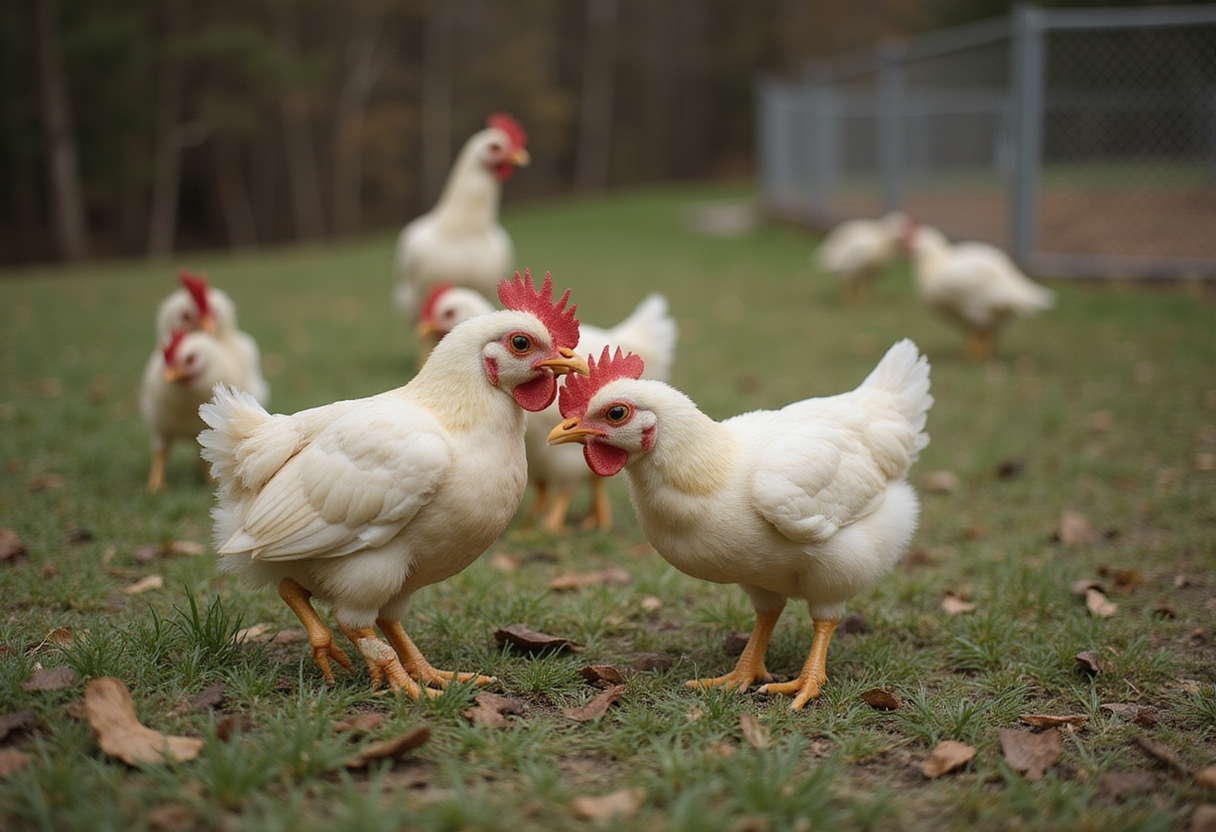
The Centers for Disease Control and Prevention has declared the end of this year's Salmonella outbreak linked to backyard poultry flocks, closing the books on an investigation that confirmed 1,253 infections across 46 states and Puerto Rico.
The outbreak sickened people ranging in age from less than 1 year to 99, with a median age of 36. One in five patients were children younger than 5. A third of confirmed cases required hospitalization — 256 people — and two patients died.
Investigators traced the illnesses to seven Salmonella strains: Altona, Enteritidis, Indiana, Infantis, Kedougou, Mbandaka and Saintpaul. Whole genome sequencing conducted on samples collected in Idaho, Michigan, Minnesota, Ohio, Oregon and Tennessee matched the Enteritidis, Mbandaka, Kedougou and Saintpaul strains found in sick people. The samples came from backyard birds and from the inside of shipping boxes used to move live poultry from hatcheries to retail stores.
Most patients or their caregivers told investigators they bought chicks and ducklings at agricultural retail stores. Others acquired birds from acquaintances, directly from hatcheries or from local farms. The CDC identified eight hatcheries that sold infected birds. The agency has not named them.
Antibiotic resistance ran wide
Sequencing of 1,253 human isolates showed extensive resistance. Of those, 670 isolates resisted fosfomycin, 184 resisted nalidixic acid, 152 resisted tetracycline, 53 resisted streptomycin, 40 resisted gentamicin and 24 resisted sulfisoxazole. Smaller numbers resisted ampicillin, ceftriaxone, ceftiofur, amoxicillin-clavulanic acid and cefoxitin. Another 185 isolates were predicted nonsusceptible to ciprofloxacin.
The timeline
The CDC first reported the outbreak on April 13, when the case count stood at 34 patients across 13 states, with 13 hospitalizations. Illness onset dates traced back to Feb. 26. The outbreak grew to become the second largest the CDC has recorded from backyard poultry, behind only 2020, when pandemic lockdowns drove a surge in home flocks kept as a source of entertainment.
The official case count almost certainly understates the true toll. Some sick people never seek medical care, and others are not specifically tested for Salmonella. The CDC estimates that for every confirmed patient in a Salmonella outbreak, 29 cases go undetected — putting the likely true scale of this outbreak in the tens of thousands.
Eight years of outbreaks
Backyard-poultry Salmonella outbreaks have now recurred annually for at least eight consecutive years, with case counts of 1,134 in 2019, 1,722 in 2020, 1,135 in 2021, 1,230 in 2022, 1,072 in 2023, 470 in 2024 and 559 in 2025 before this year's spike to 1,253. Across the eight-year span, the outbreaks have sickened 8,575 people, hospitalized 1,803 and killed 12.
The sharp rebound from 2025's 559 cases to this year's 1,253 — nearly a 2.2-fold increase — suggests the lull of the past two years was an anomaly rather than a trend, and agricultural retail supply chains will face renewed scrutiny heading into the next spring hatchery season.
More from Olivia Hart
Show full bio
Staff writer covering marketplaces and e-commerce at The Pass Brief.
59 articles