Minor Hotels' Thai Luxury RevPAR Jumps 19% as Arrivals Slip
Minor's Thai luxury RevPAR rose 19% in Q3 on a 13% rate gain, even as Thailand cut its 2026 arrivals forecast. The Middle East fell 11%.
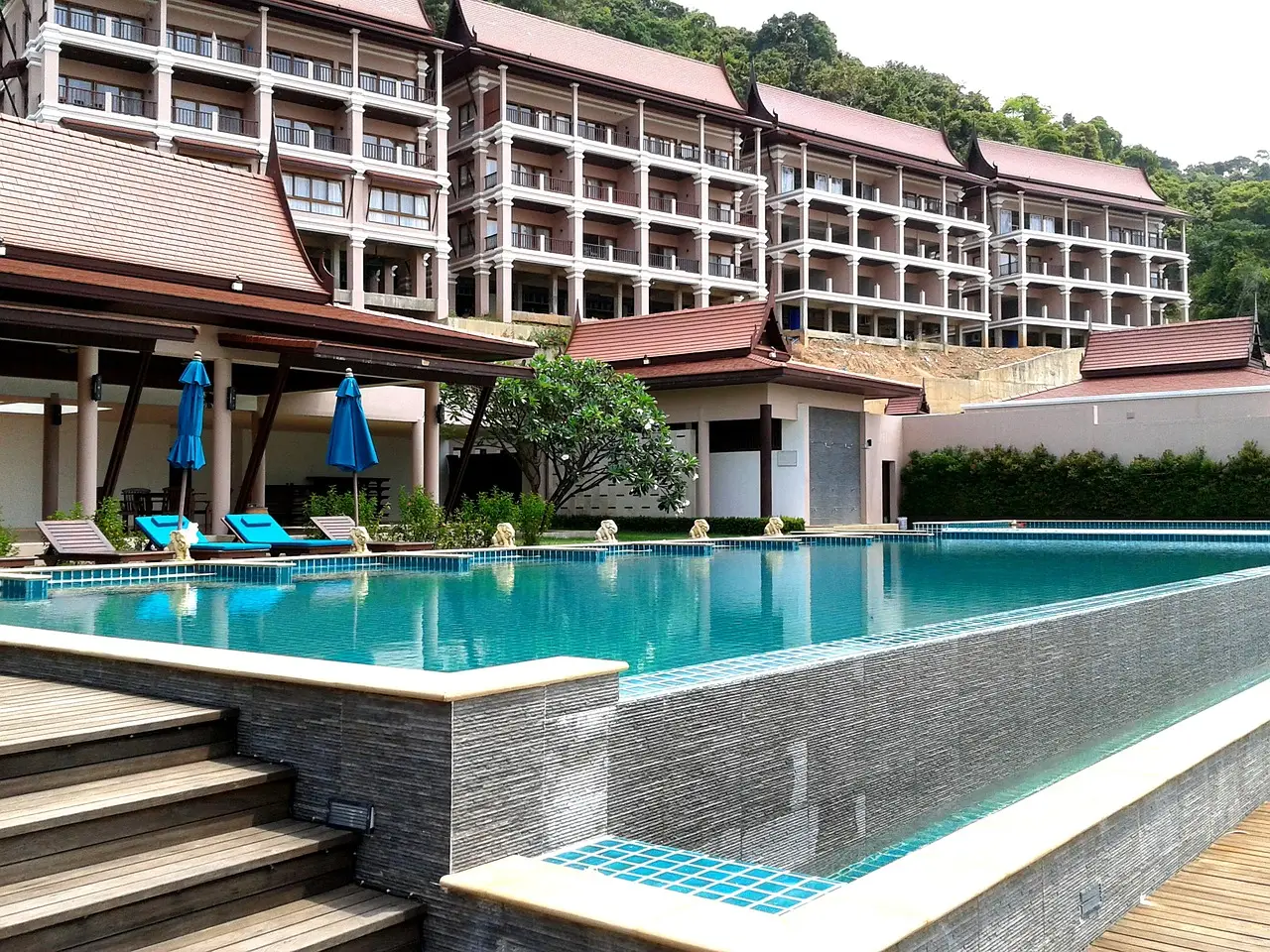
Anantara's Thai luxury hotels posted a 19% like-for-like RevPAR (revenue per available room) increase in the third quarter, on a 13% rise in average daily rate, Minor Hotels reported — in a country whose international arrivals are falling.
Thailand cut its 2026 arrivals forecast to 33 million, from 36.7 million, and arrivals through mid-October were down 4.1%. Minor still grew. Across all of its Thai hotels, RevPAR rose 13%, the strongest of any major market in the group, on a 9% ADR gain and a two-point occupancy lift to 64%. Cushman & Wakefield told Skift luxury holds up better because those guests are less price sensitive.
Rate, not volume, did the work. That suits Minor's ownership structure, which converts pricing power directly into earnings.
What did the quarter deliver?
Group core profit rose 13% year over year to THB 2.1 billion (about $62.9 million). Core revenue rose 6% to THB 35.4 billion ($1.06 billion); EBITDA rose 4% to THB 7 billion ($210 million). Company-wide RevPAR rose 5%, mostly on rate.
Thailand led. The Maldives, where Minor operates nine resorts, grew RevPAR 10% as occupancy climbed four points to 46%. Minor also finished a $50 million renovation of Anantara Siam Bangkok in September, refurbishing all 335 rooms plus restaurants and event spaces — capital now earning its keep.
Over nine months, core profit rose 3% to THB 4.2 billion ($126 million), with the third quarter alone supplying half after a first-quarter core loss.
Why does the Middle East hurt more for Minor?
Middle East & Africa RevPAR fell 11% in the quarter: occupancy down roughly three points, rates down about 5%, which Minor attributed to regional conflict and weaker travel demand. Nine-month RevPAR in the region is down 15%. In Oman, executives told Skift they were seeing shorter stays, later bookings and weaker fourth-quarter demand.
Minor's Gulf strategy is to protect price rather than chase volume. Rates held broadly steady over nine months while occupancy fell around nine points. In the third quarter, rates fell for the first time this year. That line is getting harder to hold.
The exposure is structural. Minor owns about 40% of its Middle East & Africa hotels, with the other 60% managed or franchised — lighter than the group overall, where almost 70% of rooms are owned or leased. Fee-based rivals feel the same slump less: Marriott, whose Middle East RevPAR fell 12%, earns mostly fees there and the region is only about 3% of its global fees; Hilton expects a more than $20 million earnings hit this year, mostly lost management fees; Accor fell 3% with a roughly 12% decline assumed for the fourth quarter.
How did Europe and the rest perform?
Europe & Americas, home to the NH Hotels portfolio, grew RevPAR 7% in its seasonally strongest quarter, led by Madrid (up 11%) and Barcelona (up 8%). East Africa grew, with Kenya and Tanzania up 5%. Australia and New Zealand both held 80% occupancy.
"Our third-quarter performance demonstrates the value of having a geographically diversified portfolio, particularly when trading conditions vary so widely between markets," said Dillip Rajakarier, group CEO of parent Minor International. He said Minor would focus on protecting margins and pricing discipline while accelerating the shift to fee income.
The pipeline shows it. Asset-light arrangements (managed or franchised deals requiring little owner capital) exceed 90% of the active development pipeline, and Minor signed 38 hotels in nine months, on track to beat its 2025 record of 40 signings. Until those open, Minor's results will keep moving with the markets where it owns the buildings — Thailand currently helping, the Gulf currently not.
More from Rebecca Stone
Show full bio
Senior reporter covering technology and product news in Restaurant and hotel operations at The Pass Brief.
711 articles