Minor Hotels Confirms UK Debut for Minor Reserve Collection at Dukes London
Minor Hotels will launch its Minor Reserve Collection brand in the UK with a comprehensive reimagining of the Dukes London, marking the Bangkok-based group's first UK address under its curated upper-tier brand.
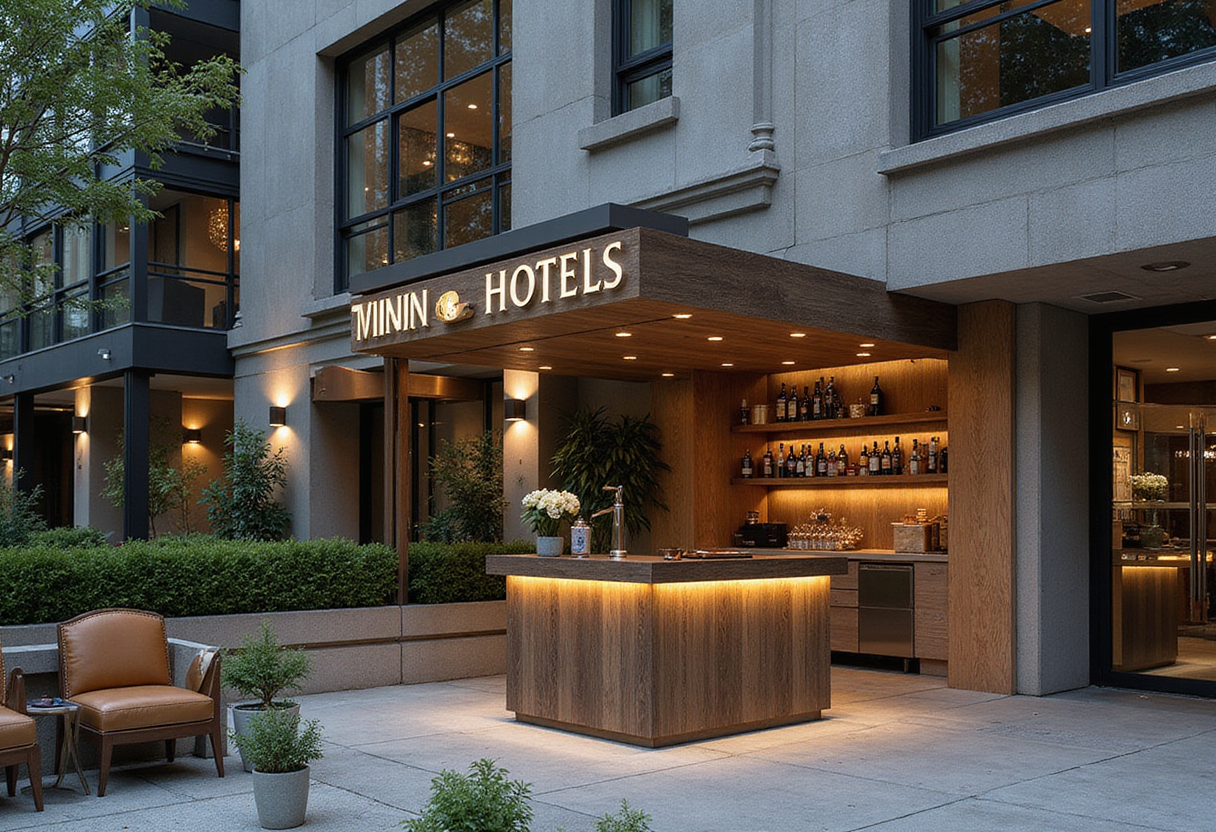
Minor Hotels will open its first United Kingdom address under the Minor Reserve Collection brand with a comprehensive reimagining of the Dukes London, the Bangkok-headquartered hospitality group confirmed.
The conversion puts the operator's curated upper-tier collection into a London market that has absorbed more than a dozen high-end refurbishments over the past three years, and gives Minor Hotels a flagship from which to seed the brand across Britain and continental Europe.
The Dukes London, a boutique property in the city's West End, will undergo full repositioning of guestrooms, public spaces, food and beverage outlets, and back-of-house systems before reopening under the Minor Reserve Collection flag.
What does this move signal strategically?
London remains the preferred European gateway for international operators launching sub-brands into the UK and the broader EMEA region. A single London conversion compresses the timeline to market entry and gives the brand immediate visibility in one of the world's most-watched hotel markets. For Minor Hotels, a Dukes London flagship offers distribution scale, loyalty platform placement, and a physical showroom for prospects evaluating the collection elsewhere in the region. The Dukes address, long associated with discreet luxury in St. James's, carries brand equity that operators typically cannot replicate through greenfield development.
How does the Minor Reserve Collection fit in the portfolio?
The Minor Reserve Collection functions as a curated tier within Minor Hotels' broader hotel platform, grouping independently flagged properties that share a defined service standard and design sensibility. Operators typically position such collections between their mid-scale and upscale brands and standalone ultra-luxury flags, giving owners access to group-level distribution, revenue management, and loyalty reach while preserving each property's individual identity. For guests, the tier signals consistent benchmarks on service, amenities, and property condition without surrendering independent character. For owners, the trade-off is higher management or franchise fees in exchange for tighter cost-of-distribution and stronger contribution from group-wide channels.
What goes into a London luxury repositioning?
Conversion playbooks for upper-tier London flagships generally combine full guestroom refurbishment, lobby and public-space redesign, F&B concept refresh, and technology platform overhaul spanning property management, point-of-sale, and central reservations. Per-key renovation budgets for high-end London conversions routinely run into the low six figures in pounds, with operators targeting average daily rate step-changes and GOP margin recovery within 24 to 36 months of reopening. The economics hinge on capturing rate premium against a competitive set whose own reinvestment cycles have tightened performance gaps across Mayfair, St. James's, and neighbouring submarkets.
What's still undisclosed
Minor Hotels has not yet released a reopening quarter, project capital commitment, length-of-stay targets, or specifics on F&B partners. Trade observers will watch the operator's next earnings disclosure and STR monthly prints for early reads on whether additional UK Minor Reserve Collection sites are in active negotiation and how the Dukes London repositioning benchmarks against the wider London luxury conversion cohort.
The announcement lands with London's luxury segment continuing to outperform pre-pandemic benchmarks on average daily rate, leaving operators willing to commit that capital intensity to flagship West End assets rather than pursue new-build alternatives outside the core.
More from Olivia Hart
Show full bio
Staff writer covering marketplaces and e-commerce at The Pass Brief.
231 articles