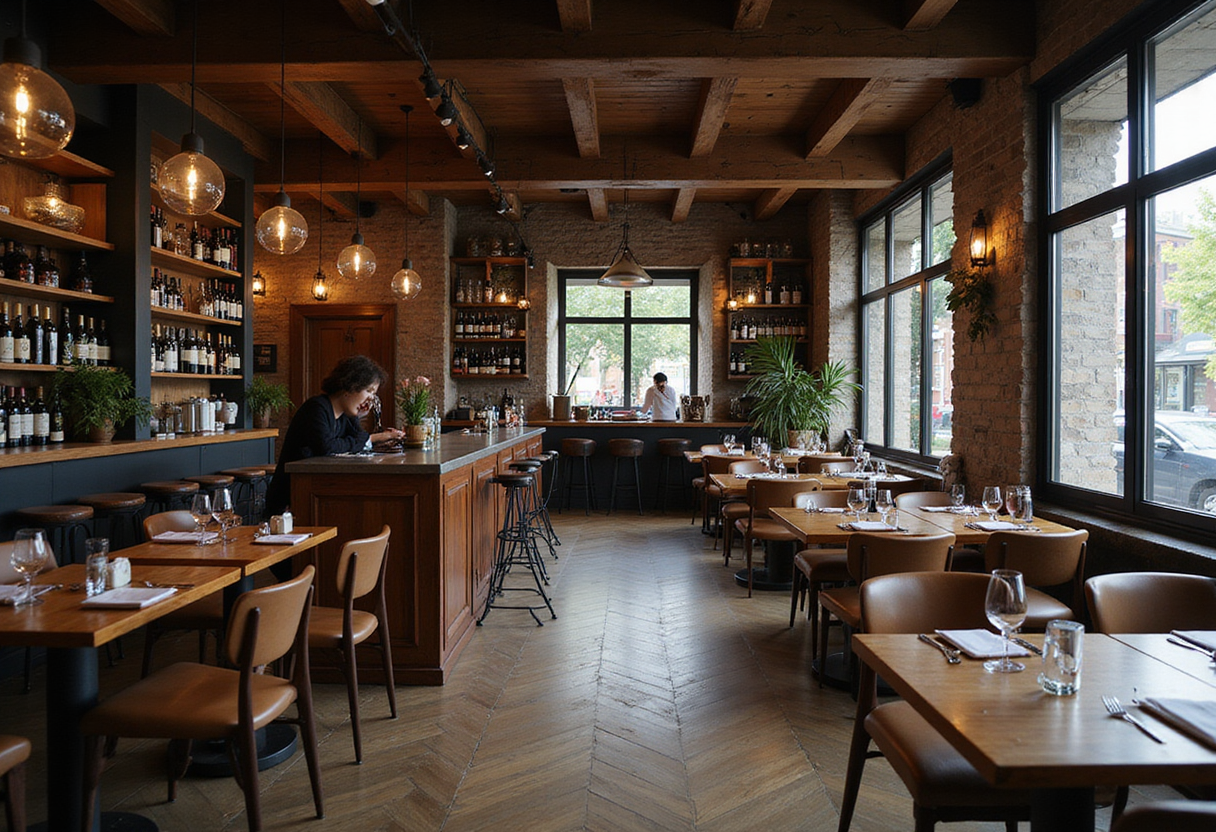
Minhwa Spirits to Take Over Aziza Space in Atlanta's Westside Provisions
Minhwa Spirits will replace Aziza at Westside Provisions, trading a full-service restaurant for a distiller's tasting-and-retail model in prime Atlanta real estate.
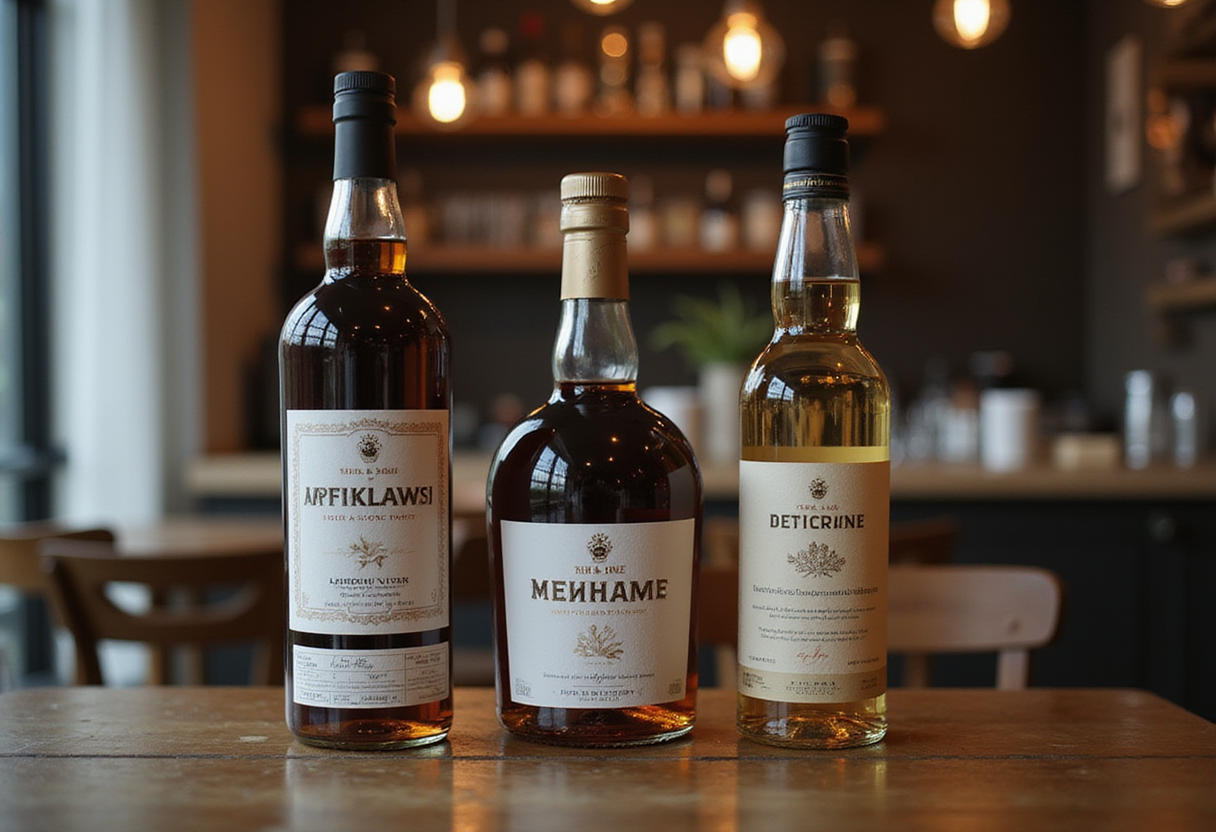
Minhwa Spirits is taking over the Aziza space at Westside Provisions District, Atlanta Intown first reported — a swap that trades a full-service restaurant for a spirits brand's own retail-and-tasting footprint in one of the city's most expensive dining corridors.
The deal puts a distillery operation where a restaurant used to be. That distinction matters for landlords and for the district's tenant mix. A distiller with a tasting room runs a different economic model than a dinner house: it sells its own product at retail margins, pours by the taste rather than the cocktail, and doesn't depend on a kitchen's food cost or a full wait staff's labor percentage to clear rent.
Aziza, the outgoing tenant, had occupied the space in a district that commands some of Atlanta's strongest foot traffic. Westside Provisions pairs boutique retail with a dense cluster of restaurants and bars, a mix that has made vacancies there rare and landlord expectations high. When a restaurant exits a space like that, the replacement tenant usually tells you something about which concepts the landlord believes can carry the rent.
What does a distillery get from a restaurant space?
Practically speaking, a former restaurant arrives with the expensive infrastructure a distiller would otherwise have to build: plumbing, grease-trap and ventilation rough-ins, and a layout already zoned for on-premise consumption. Tasting rooms also monetize differently. Where a restaurant earns its margin across food and beverage combined — and fights commodity swings on both — a spirits brand selling direct keeps the retail markup that would otherwise go to a distributor and a liquor store.
Direct-to-consumer pouring is also a marketing channel. Every guest who tastes at the bar is a customer the brand didn't have to buy through wholesale discounts or a distributor's sales force. For a small or mid-size producer, that margin retention is often the whole argument for opening a branded room at all.
A broader shift for the district
One tenant change doesn't remake a district, but it does follow a pattern operators know well. High-rent, high-visibility districts have been rotating out full-service concepts toward formats with lighter labor models — counters, tasting rooms, brand retail — since labor costs began outrunning check growth industry-wide. A distiller needs pour staff, not a kitchen brigade, and its hours can track traffic peaks rather than span lunch through dinner.
Atlanta's spirits scene has been building toward exactly this kind of branded real estate, and Westside Provisions has shown it will take formats beyond restaurants when the economics work. Whether Minhwa pours, retails, or mixes both will shape how the space performs against the restaurant it replaces.
Details on opening timing, square footage, and whether Minhwa will serve cocktails or tastings only weren't disclosed in the initial report. Expect those specifics — and any food component — to determine whether the room behaves as a destination draw or a lower-labor retail box in a district built on dinner traffic.
For now, the signal is the swap itself: in one of Atlanta's premier food districts, a spirits brand outbid or outlasted a restaurant for prime space, and the landlord took the distiller.
More from Olivia Hart
Show full bio
Staff writer covering regulation, policy and their impact on Restaurant and hotel operations at The Pass Brief.
263 articles