McDonald's France, 1,600 Restaurants and a Testing Ground Under Stress
McDonald's France, its largest market outside the U.S. and Asia with 1,600+ units, missed sales expectations as franchisees voted to simplify governance amid protests.
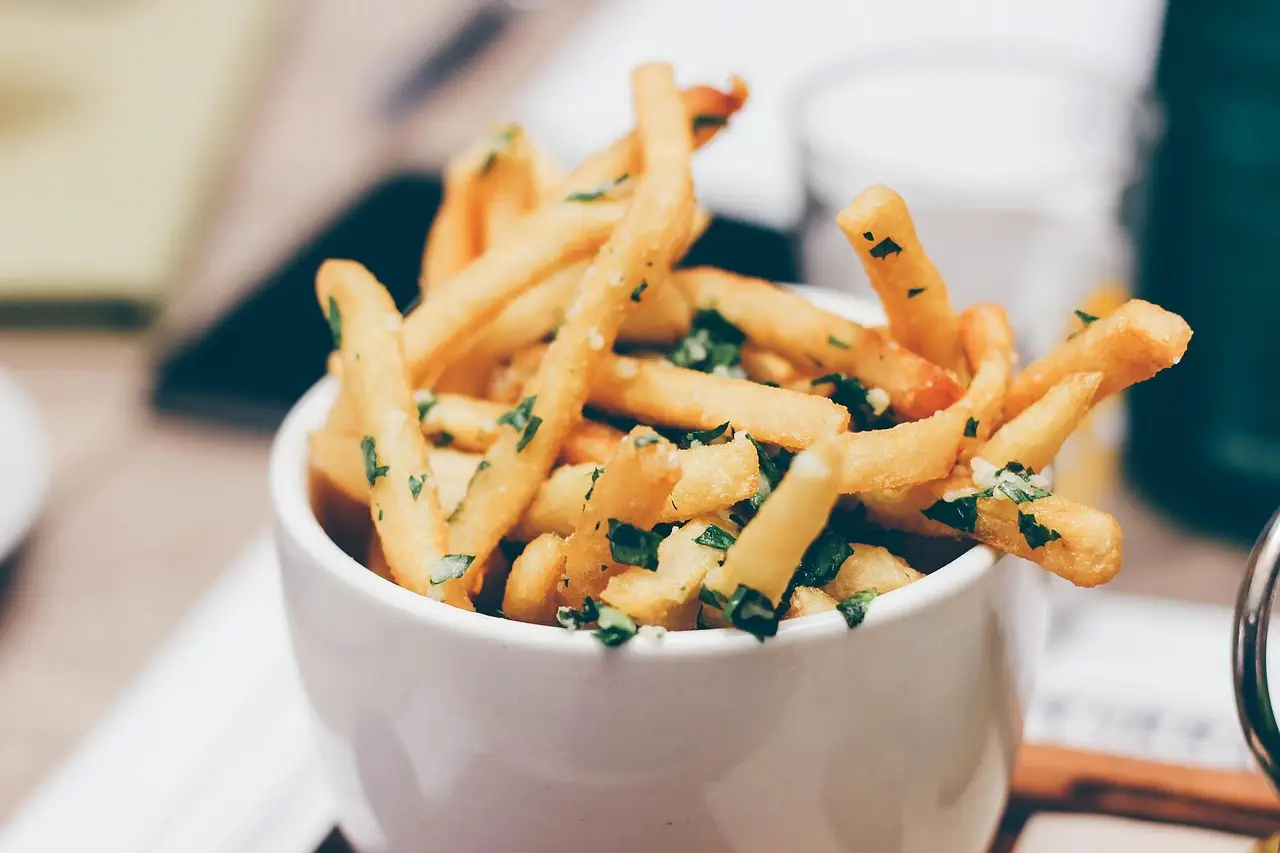
McDonald's operates more than 1,600 restaurants in France, its largest market outside the U.S. and Asia — and sales there did not meet expectations this year. That single fact framed much of the discussion at the Global Restaurant Leadership Conference in Cannes last week, where executives detailed both the market's troubles and its long record as the company's global innovation engine.
A few weeks before the conference, French franchisees voted in favor of a strategy designed to simplify the market's governing structure. The stated goal is better flexibility. What the restructuring means in practice for unit-level costs, royalties or franchise agreements remains unspecified. The company has not said when the changes take effect.
Why is France so central to McDonald's?
The first French location opened in Paris in 1972, after businessman Raymond Dayan convinced the company he could make the market work. His relationship with McDonald's ended in a legal battle in 1982. The market grew anyway, and it grew into something unusual: a McDonald's that looks deliberately French.
That localization is policy, not accident. McDonald's allows each market flexibility on 30% of the menu. In France that means croissants in the morning, patisserie in glass cases, and a Croque McDo — ham, two slices of melted white cheddar, a special inverted and toasted bun. Current limited-time offers included a Le Duo Fromager burger with smoked raclette and Beaufort cheese sauce, a Chicken Raclette sandwich with bacon and fried onions, and Frites Reblochon topped with Reblochon sauce.
"There's a lot of freedom for markets," Manu Steijaert, president of McDonald's International Operated Markets, said at the conference. "I would say, for us, that's been critical for our success. Especially in times when geopolitics evolved, it is so important to be entrenched into the local culture. It also makes us unique."
That claim is hard to test from the outside. Thirty percent menu flexibility gives operators room for menu engineering around local sourcing and premium ingredients — the raclette and Beaufort programs are pricing plays as much as taste plays. Whether that flexibility offsets the current sales pressure is not something the company quantified.
What did protests do to operations?
In September, student protests in France evolved into a sometimes-violent wave involving hundreds of thousands of people. The unrest hurt an economy that executives described as already shaky, and it caused what company officials called "short-term disruptions" to McDonald's restaurants. No figure for lost sales, closed units or affected days was provided.
That is a notable omission. A market of 1,600-plus restaurants, missing internal sales expectations, with civil unrest in the streets, would normally warrant some measure of operational impact. Executives offered none.
What has France contributed to the global system?
The market's innovation record is concrete. For years, French restaurants struggled with extreme peak demand. Seventy percent of sales come during roughly five hours of the day. Steijaert described the arithmetic plainly: about 200 tickets in an hour, arriving in families, meaning roughly 500 people through the door in sixty minutes.
The chain could not fit enough registers in its restaurants to absorb that demand. "It's only when we put kiosks in place that we basically discovered some consumers prefer the kiosk," Steijaert said. The kiosks solved a capacity problem first and a customer preference problem second. They spread across Europe, then globally, as part of the McDonald's Experience of the Future remodel program — a French labor-and-throughput fix exported to the entire system.
More recently, France rolled out AI-powered smart scales that verify order accuracy by weight. The stated benefits are labor savings, improved accuracy and speed. Who bears the equipment cost — franchisee or corporate — was not disclosed. Those scales are now being rapidly added to McDonald's restaurants around the world, which suggests the pilot validated the economics somewhere in the system.
"France is a really good example of having been an innovator for us in many ways," Steijaert said. "They have a long history of global sourcing. They were the first to really think about the consumer and the experience that they were offering in their restaurants. And they are being really innovative around digital."
What comes next?
The franchisee vote on simplified governance now moves toward implementation, and the company will need its most inventive market to solve its own demand problem as it has solved throughput problems before — with kiosks in the past, smart scales today, and an untested restructuring next.
More from Marcus Bennett
Show full bio
Market editor covering technology and product news in Restaurant and hotel operations at The Pass Brief.
712 articles