Landry's and TREW Capital Buy Fireman Group Restaurants for $22.2 Million
Landry's and TREW Capital will pay $22.2 million for Fireman Group's NYC restaurants after bankruptcy. CEO Benjamin Grossman's rival bid lost; 800 jobs hang on the sale.
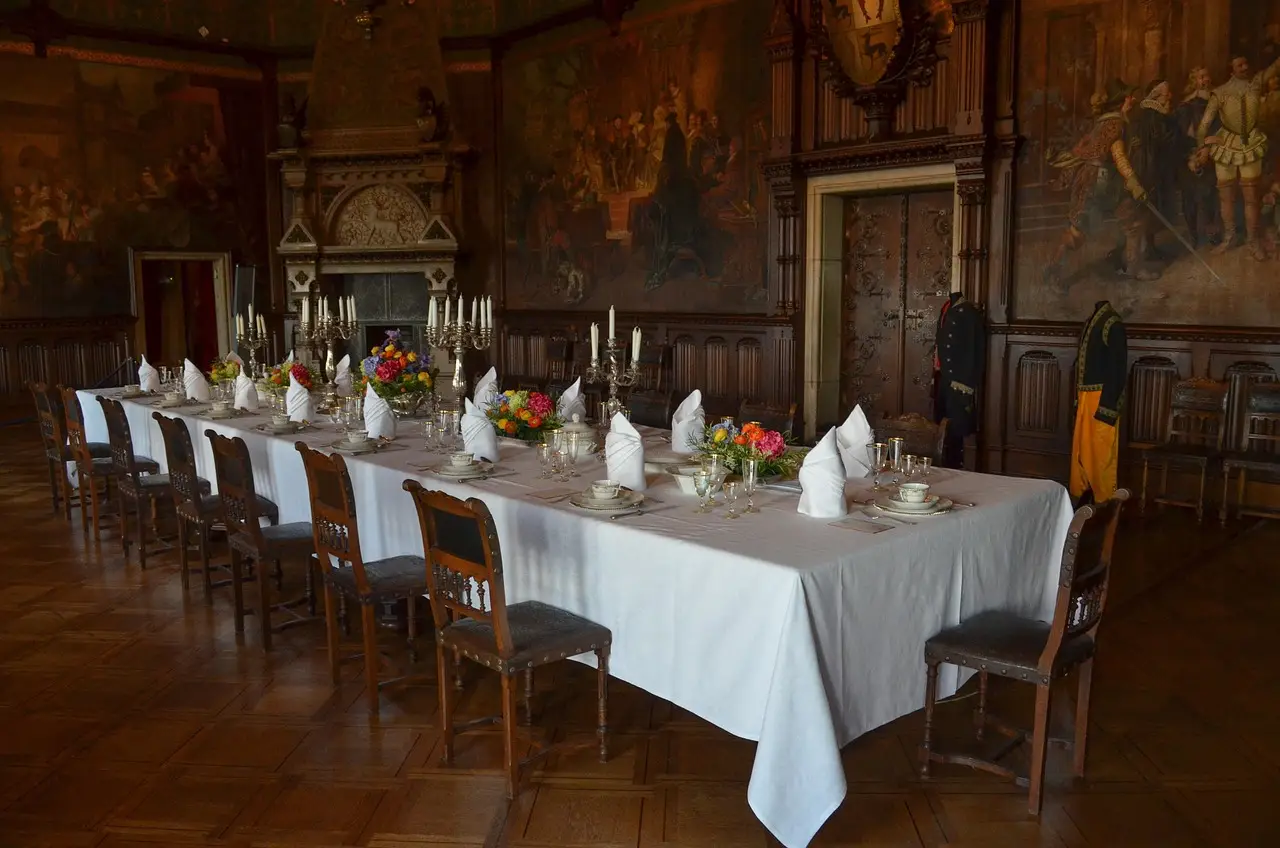
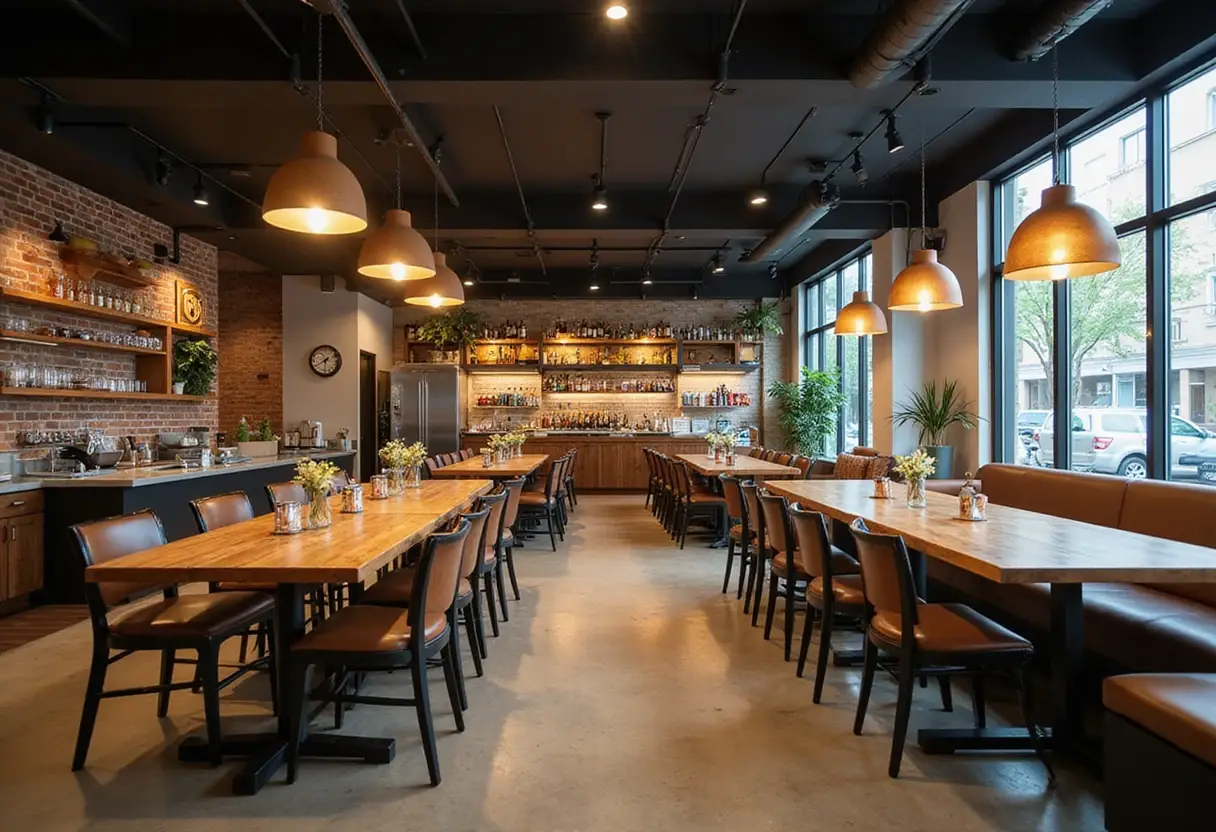
A bankruptcy auction has produced a $22.2 million deal transferring The Fireman Group's New York City restaurants to Landry's and TREW Capital Management. The transaction received court approval Thursday, clearing the main hurdle in a sale covering Bond 45, Café Fiorello, Trattoria Dell'Arte, Brooklyn Diner, and Paris Bar.
The split is precise, per court documents. Landry's takes Bond 45, Café Fiorello, and Trattoria Dell'Arte. TREW Capital takes Paris Bar, Le Jardin, Café Paradiso, Brooklyn Diner, and Brooklyn Delicatessen.
The buyers are not newcomers to distressed assets. Landry's, owned by billionaire Tilman Fertitta, runs hundreds of restaurants nationwide, including Morton's The Steakhouse, Mastro's Steakhouse, Del Frisco's, The Palm, and McCormick & Schmick's. TREW Capital specializes in acquiring and revitalizing distressed hospitality businesses and operates roughly 80 restaurants with more than 2,000 employees. Its portfolio history includes BurgerFi, Rubio's Coastal Grill, Bar Louie, Anthony's Coal Fired Pizza & Wings, and Iron Hill Brewery & Restaurant.
How did the Fireman Group collapse?
The company filed for bankruptcy protection in August, less than a year after founder Sheldon "Shelly" Fireman died. He opened The Hip Bagel in Greenwich Village in 1963 and built a portfolio around the city's best-known cultural destinations over six decades. Café Fiorello has operated for more than 50 years, Trattoria Dell'Arte for nearly 40, and Brooklyn Diner for roughly three decades.
The financial trouble started well before the filing. Debt tied to construction projects and losses from a restaurant fire stretched the balance sheet. The pandemic then compounded the damage through Broadway closures, declining tourism, and reduced Midtown office traffic. The company turned to merchant cash advances (short-term financing repaid from daily card sales) to cover operating expenses, and repayments piled up.
Things got worse. Disputes with certain lenders led credit-card processors to withhold millions of dollars in restaurant revenue. When the company filed, it held less than $100,000 in available cash. Court documents show the business was operating at a loss and had liquidity to run only through the end of October. More than 800 employees faced uncertainty.
Who bid against them?
Landry's opened at $9.5 million, initially targeting only Café Fiorello, Trattoria Dell'Arte, and Bond 45, before widening its scope. The competing bid came from FHGRF LLC, a lender to the bankrupt company. Court documents show Fireman Group CEO Benjamin Grossman held a 35.8 percent interest in FHGRF, whose proposal would have kept him in the chief executive seat.
That structure did not prevail. The winning $22.2 million offer more than doubled Landry's original bid. Grossman is not expected to receive an offer to continue working for the business, per court documents. Certain other officers and employees have received, or are expected to receive, employment offers from the new owners.
The sale gives decades-old Midtown institutions a funded owner each, and gives creditors a concrete recovery figure. The next test is whether Fertitta's scale and TREW's turnaround record can restore profitability at restaurants that survived everything except their own balance sheet.
More from Rebecca Stone
Show full bio
Senior reporter covering technology and product news in Restaurant and hotel operations at The Pass Brief.
508 articles