Kikkoman Raises Full-Year Outlook After 13% First-Half Revenue Jump
Kikkoman's first-half revenue rose 13.1% to ¥405.49bn, pushing the soy sauce maker to lift its full-year sales forecast to ¥816.4bn despite higher input costs.
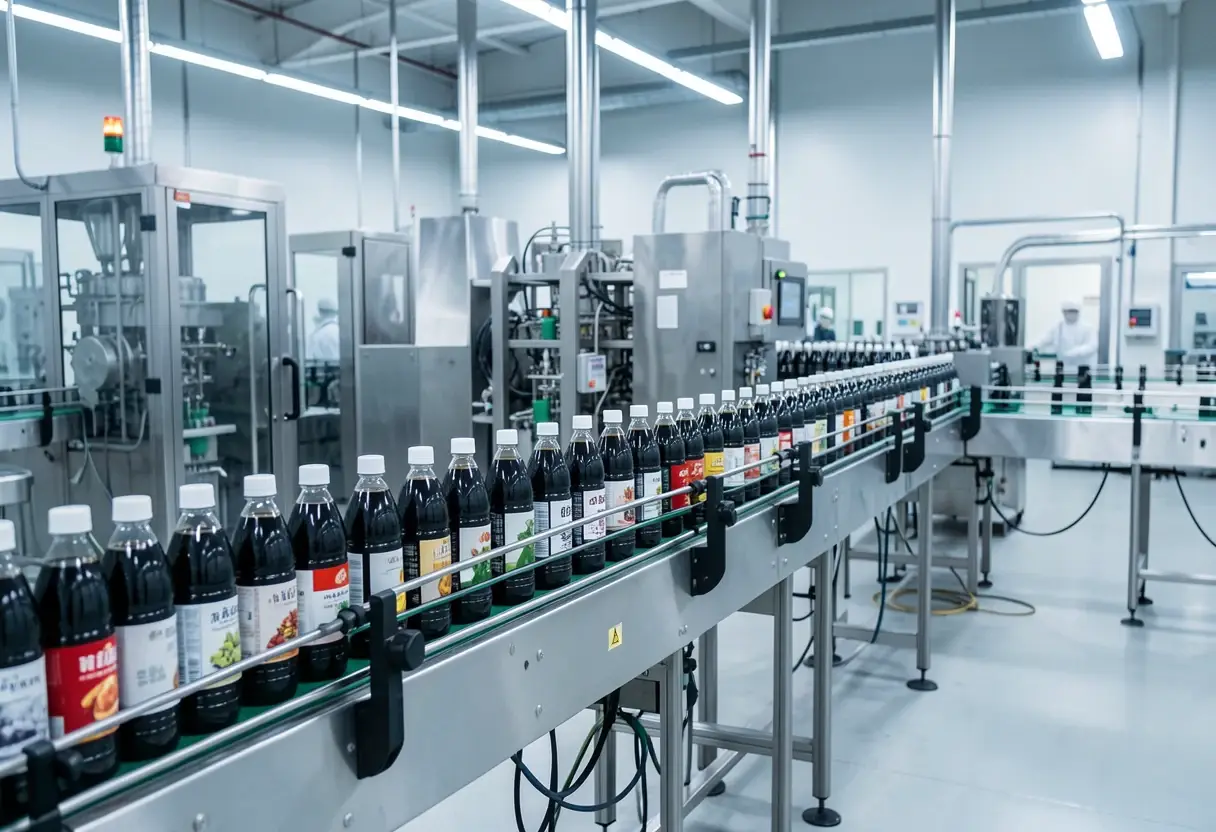
Kikkoman booked first-half revenue of ¥405.49bn ($2.55bn), up 13.1% year on year, and has raised its full-year forecasts on the back of the result.
Operating profit for the six months to the end of September climbed 24.1% to ¥49.18bn. Profit attributable to owners of the parent rose 22.1% to ¥38.25bn — a more than 20% gain on both bottom-line measures.
The Japan-based group now expects revenue of ¥816.4bn for the 12 months ending in March, which would mark a 9.5% increase on the prior year. Its previous revenue forecast stood at ¥799.1bn.
What changes in the profit outlook?
The operating profit forecast rises to ¥79.6bn, a 4.8% year-on-year increase, up from an earlier projection of ¥78.8bn. The picture is less rosy further down the income statement: Kikkoman still expects profit attributable to owners of the parent to dip 0.5% to ¥61.3bn for the full year.
So the mid-year beat doesn't fully carry through to the annual bottom line — a gap worth watching for suppliers and restaurant operators who buy Kikkoman products in volume.
In its results presentation, the company said first-half revenue from its overseas soy sauce, overseas wholesale and Japan businesses — excluding exchange-rate effects — was "generally in line with expectations". Profits, however, "exceeded expectations".
Where the profit beat came from
Kikkoman was candid that part of the outperformance isn't repeatable. The company attributed it to:
- a "timing shift" in advertising expenses;
- a "temporary profit-boosting factor" at its North American wholesale business.
That matters for menu planners and procurement teams. A one-off timing benefit and a temporary wholesale lift don't signal structural margin improvement in the sauce category — so cost assumptions built on this half's numbers could overshoot.
The profit growth also came despite higher input costs, which Kikkoman linked in part to the geopolitical situation in the Middle East. Rising raw-material and freight pressure is a familiar squeeze for sauce and condiment suppliers, and it typically feeds into pricing conversations with distributors and restaurant chains down the line.
For context, the full-year revenue forecast of ¥816.4bn is roughly double the first-half figure, implying Kikkoman expects the second half to run at a similar pace — but with thinner year-on-year growth than the 13% just posted, given the 9.5% full-year projection.
Kikkoman's overseas soy sauce and wholesale arms remain the swing factors. If the North American temporary boost fades as flagged, second-half operating profit will lean more heavily on volume growth and pricing in those export-driven segments.
The market will get the answer when the fiscal year closes at the end of March, with the next forecast revision — if any — likely to clarify whether the timing effects wash out as management suggests.
More from Olivia Hart
Show full bio
Staff writer covering regulation, policy and their impact on Restaurant and hotel operations at The Pass Brief.
641 articles