KFC U.S. Ends 40-Year Pepsi Run, Signs Coca-Cola Through 2027
KFC U.S. will drop Pepsi for Coca-Cola in January 2027 after a 40-year exclusive tie, with full domestic rollout by spring under its comeback plan.
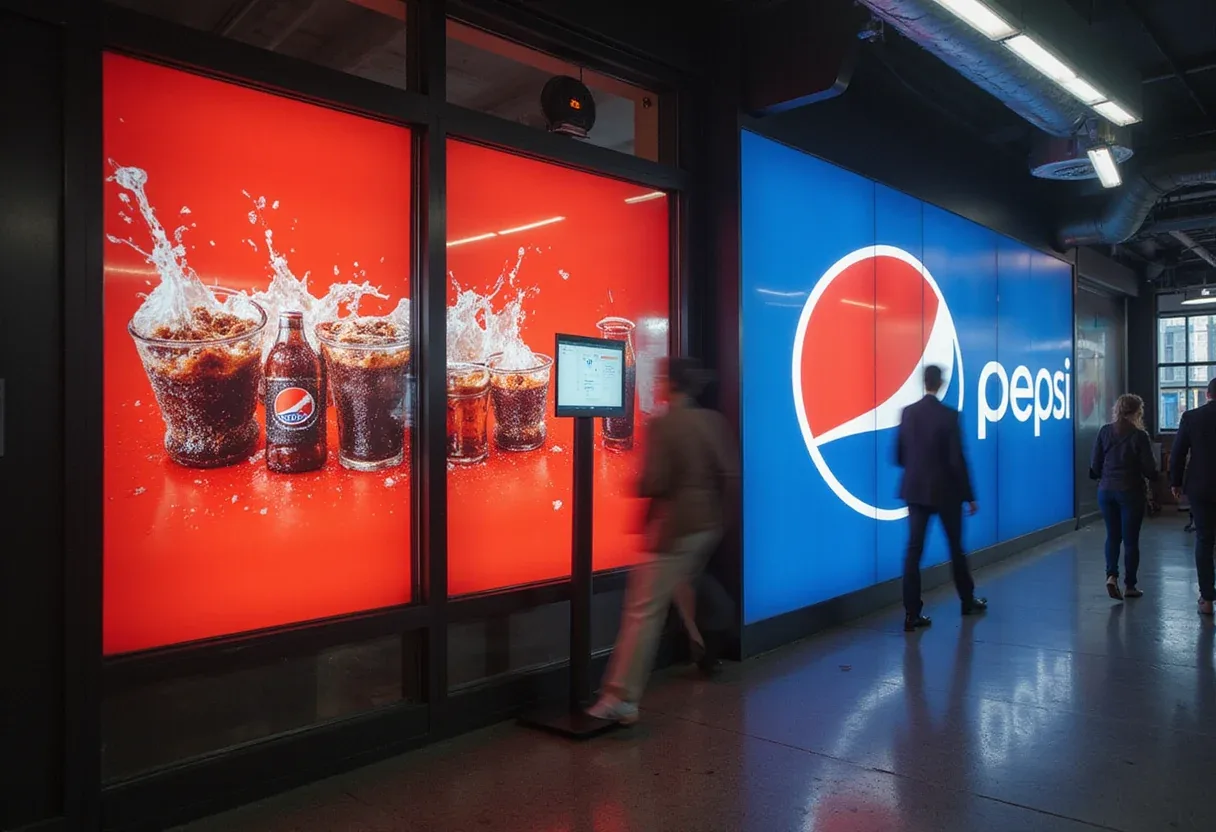
KFC U.S. will end a 40-year exclusive beverage partnership with Pepsi and move to Coca-Cola starting in January 2027, with Coke products in every domestic restaurant by spring 2027.
The change severs one of the longest-standing supply ties in quick service. PepsiCo bought KFC outright in 1986 and installed Pepsi as the exclusive U.S. beverage partner, a deal that survived the 1997 spinoff of KFC into Yum Brands. Pepsi remains the beverage partner for KFC's international markets.
What did executives actually say?
KFC President Catherine Tan-Gillespie framed the deal as brand strategy rather than a procurement swap. "This partnership is about more than what's in the cup," she said in a statement. "Coca-Cola shares our ambition for the future of this brand, and I'm excited about what we can create together."
Dagmar Boggs, Coca-Cola's president of Foodservice & On-Premise, North America, cast the deal as a portfolio play. "By pairing KFC's iconic food and flavors with the breadth of Coca-Cola's beverage portfolio and innovation capabilities, we have an incredible opportunity to make every visit more refreshing," Boggs said in a statement.
Where does this fit in KFC's comeback plan?
The beverage switch is the latest move in a turnaround effort launched last year, shortly after Tan-Gillespie took the top job. The chain had spent years losing market share, and the plan has so far delivered refreshed marketing, new value offers, and the return of dropped items like potato wedges and popcorn chicken.
Tan-Gillespie has described the brand as "loved but latent" — a franchise with recognition but without energy. Beverage is one of the levers. KFC has been expanding its drink platform and dayparts in response to what the company calls significant consumer demand.
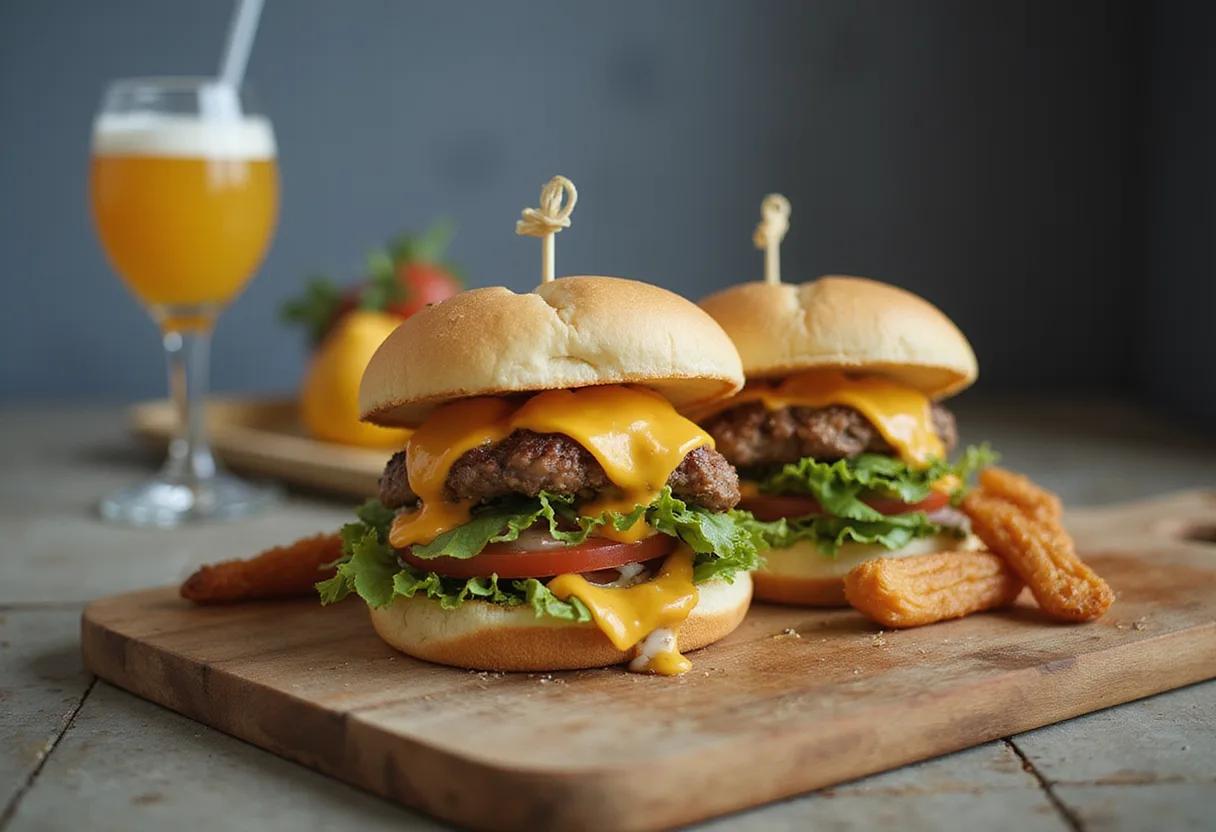
The evidence sits in McKinney, Texas. KFC's new Open House prototype there carries a Sips lineup that includes lemonades, boba refreshers, and Krunch shakes — drinks that function as margin vehicles and traffic drivers, not just cup fillers.
Why does the supplier change matter economically?
Exclusive fountain deals are a revenue line, not a formality. The supplier pays for the privilege, typically through marketing funds and equipment investment, and the chain gains a partner with a portfolio to build attach-rate (the share of orders that include a beverage) across dayparts.
Coke's appeal here is portfolio depth. Boggs pointed explicitly to "innovation capabilities," which for a chain pushing boba refreshers and shakes means co-developed products that Pepsi's international commitments could complicate. Pepsi keeping the international business softens the break for PepsiCo but splits KFC's global beverage platform across two suppliers, a complexity Yum now has to manage.
The timing also aligns with the broader category picture. Chain restaurant sales slowed again in 2025 as consumers pulled back on dining, per Technomic's Top 500 ranking, but beverage and snack concepts kept growing. KFC is chasing that growth through its cup.
The rollout clock starts in January 2027, and operators with 40 years of Pepsi equipment will want early clarity on conversion costs and timing before spring of that year.
More from Rebecca Stone
Show full bio
Senior reporter covering technology and product news in Restaurant and hotel operations at The Pass Brief.
439 articles