Teriyaki Madness Taps Zipline for Drone Delivery Push
Teriyaki Madness is pairing with drone operator Zipline for airborne delivery, per a RestaurantNews.com headline. Launch markets, fees, and unit count remain undisclosed.
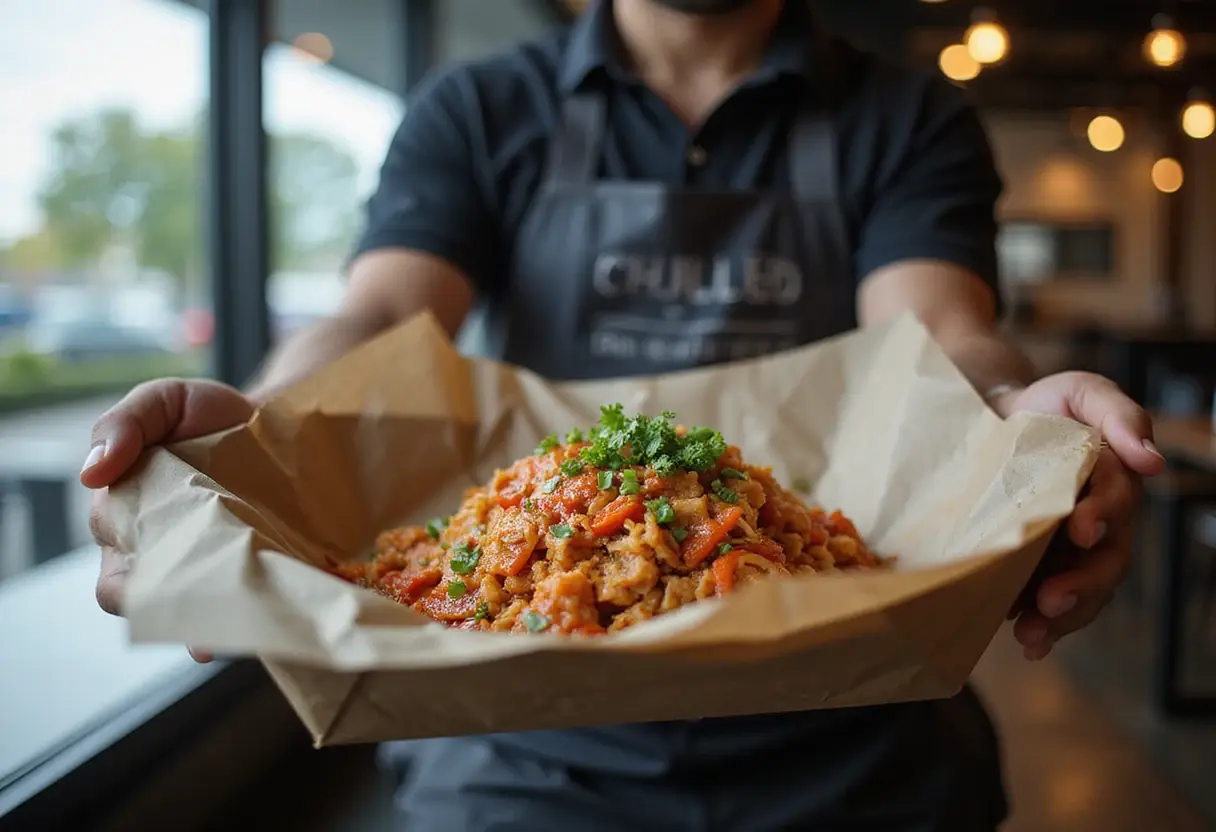
Teriyaki Madness is partnering with drone operator Zipline to launch airborne delivery, according to a RestaurantNews.com headline posted as "Teriyaki Madness Takes Delivery Airborne with Zipline." The announcement pairs a bowl-style teriyaki brand with a drone logistics company whose prior deployments have largely focused on medical supply and retail goods rather than restaurant meals.
The source itself is a single headline, which caps what operators can model today. What's confirmed is the partnership. Everything else — launch markets, unit count, fee structure, and whether participating stores are company-operated or franchised — sits outside the published coverage.
What an air-delivery partnership actually changes
Even with thin details, the structural shift the deal implies is worth unpacking. A drone flight replaces a dispatched ground courier on a per-order basis, and the marginal cost of an additional flight doesn't track the same way a driver's wage, tip minimum, or mileage reimbursement does. For a brand that runs any meaningful delivery mix, that decoupling matters on the labor line.
Speed is the second lever. Drone routes that complete in well under 30 minutes change the arrival condition for hot food — directly relevant for a bowl concept where temperature and sauce texture drive the guest's perception of value.
What operators still need to know
The headline doesn't carry a launch date or a service-area map. Before franchisees or company-store GMs can pencil in the economics, four numbers need to surface: the per-order cost compared with current third-party platform commissions, the delivery radius from each store, the order volume threshold that makes drone economics break even, and the store-side equipment footprint. Zipline's earlier operations have required some landing infrastructure at the dispatch site, which carries a build-out cost the source hasn't disclosed.
What this signals for the segment
Restaurant delivery has spent three years shifting from a topline subsidy to a margin line. Any partner that can deliver per-order costs below the 15–25% commission stack common on third-party platforms gives operators a structural lever. Putting an airborne option in front of a teriyaki concept is also a category test — most bowl brands still pull the majority of sales through on-premise traffic, so this functions as a controlled rollout rather than a systemwide bet.
What to watch next
The next disclosures will likely come from the franchise system: pilot markets, store-side hardware, and the per-order economics once they stabilize. The headline frames this as a leap for the brand. The unit-level P&L will determine whether it stays one.
More from Olivia Hart
Show full bio
Staff writer covering regulation, policy and their impact on Restaurant and hotel operations at The Pass Brief.
449 articles