KFC Rebuilds the Bucket: Inside the Chain's New Open House Prototype
KFC's new Open House prototype resets the chain's physical template — and hands franchisees the next remodel math. Here's what the design signals.
KFC has a new restaurant prototype, and its name — Open House — tells you exactly what the chain wants you to do inside it. Stay a while.
The design, profiled this week by Nation's Restaurant News, marks the latest physical-store rethink from a brand that operates thousands of U.S. locations through a heavily franchised system. For a chain of that scale, a prototype isn't a decoration exercise. It's a capital decision, one that franchisees will eventually be asked to co-fund as they remodel or rebuild aging boxes across the country.
What does a prototype actually change?
Everything the customer touches and most of what the operator pays for. A new store format typically resets the kitchen flow, which drives labor efficiency; the digital-ordering architecture, which drives throughput; and the seating mix, which determines how much revenue a unit can capture from dine-in versus carryout and delivery.
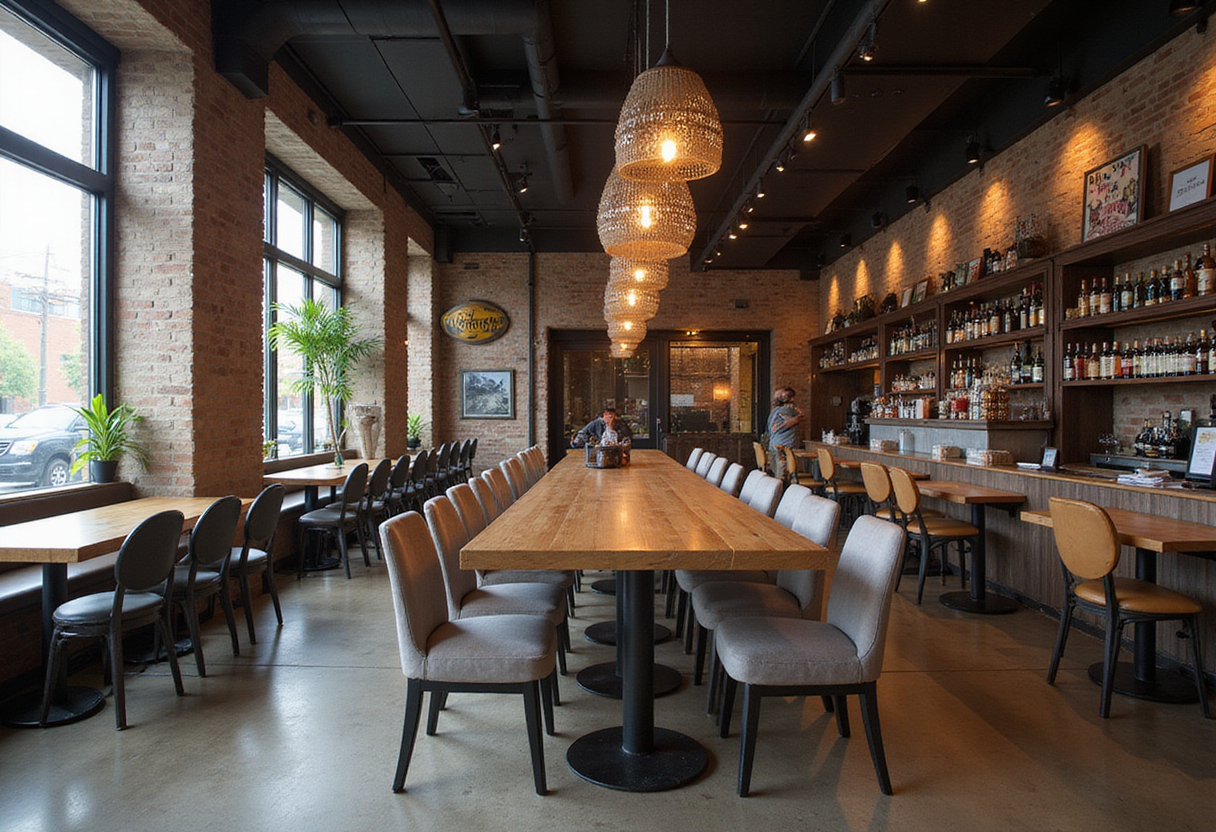
The Open House concept leans into transparency and openness — an exposed, welcoming environment rather than the closed, transactional counters that defined quick-service builds of earlier decades. That matters for KFC specifically. Chicken chains are fighting a visibility war right now, and a store that invites customers to linger changes the economics of the average check, even modestly.
It also matters because remodel programs are how franchised brands refresh their fleets. KFC's parent, Yum! Brands, has historically pushed franchisees toward image-and-upgrade cycles, and each new prototype becomes the template those operators measure against when the next remodel agreement comes due.
The real-estate backdrop
The prototype lands at a moment when the major chicken players are all spending on physical plant. Rivals have been rolling out their own next-generation designs, smaller footprints and double drive-thrus among them, chasing the off-premise traffic that now dominates the category. A design that makes the interior more inviting is a deliberate counterweight — a bet that at least some of the business still wants to eat on-site.
For franchisees, the practical question is payback period. A rebuild or major remodel can run well into six figures per unit, and operators weigh that against projected incremental sales before signing on. Prototypes are built, in part, to answer that math before it's asked at the franchisor level across thousands of doors.
Why the name is the strategy
"Open House" reads like a branding flourish. It isn't. It's a positioning statement about dayparts and dwell time, aimed at lifting per-transaction revenue in a segment where discounting has squeezed margins. If customers sit longer, they order more. If the environment feels less like a fuel stop and more like a destination, the unit captures sales that would otherwise go to fast-casual competitors.
Expect Yum! and KFC leadership to fold this design into the broader development narrative — new-unit growth, remodel pace and franchisee capital commitments — in upcoming earnings calls. The prototype is one store today. The real story is how many of them the system builds tomorrow, and who writes the check.
More from Daniel Okafor
Show full bio
Correspondent covering companies, deals and strategy in Restaurant and hotel operations at The Pass Brief.
311 articles