Restaurant Operations
KFC Opens Texas Test Restaurant to Reclaim Chicken Crown
KFC has opened a Texas restaurant as a live test kitchen for ideas aimed at reclaiming leadership in the fiercely competitive fried chicken category.
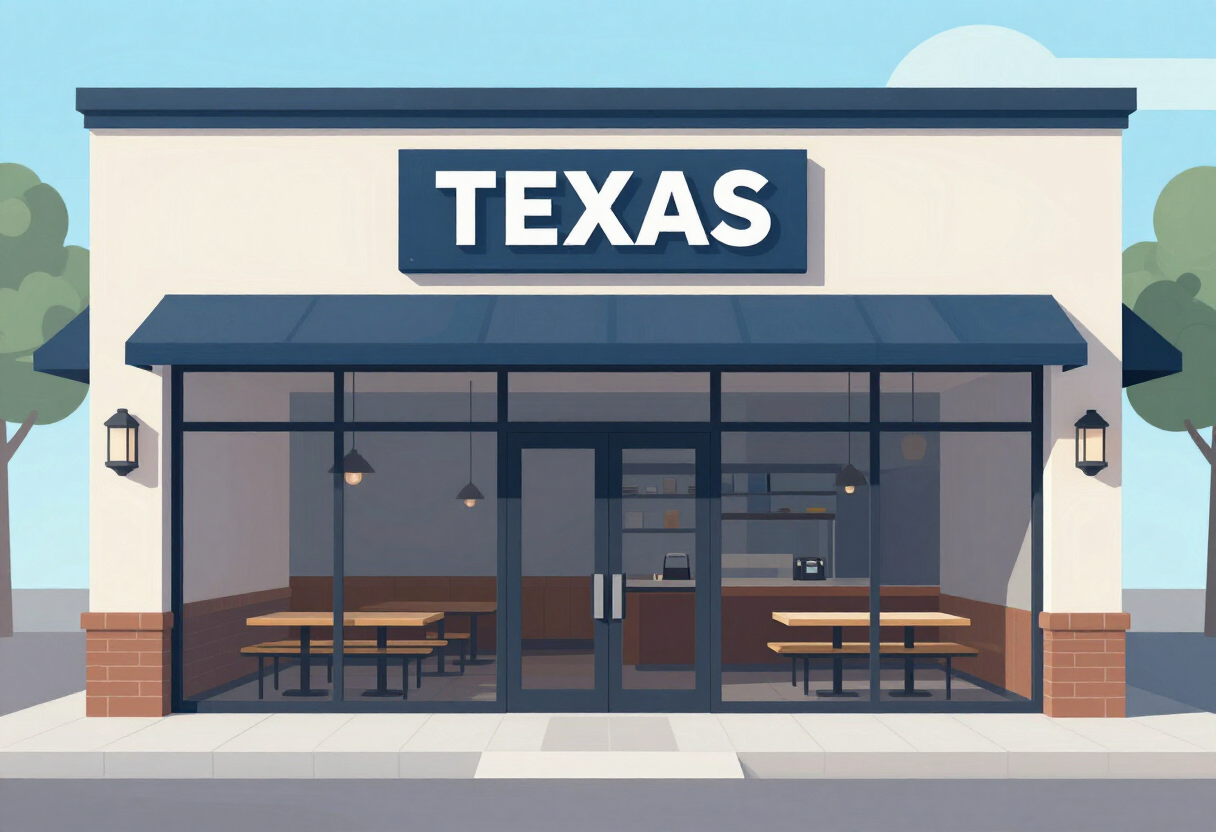
KFC has opened a restaurant in Texas that will function as a testing ground for ideas the chain hopes will help it recapture leadership in the fried chicken category.
The move signals that the brand views experimentation — at the unit level, in a real operating environment — as the path back to competitive strength. Rather than piloting concepts behind closed doors, KFC is putting them in front of actual customers, in an actual kitchen, under actual cost pressures.
That distinction matters. A test restaurant exposes new ideas to the full economics of a working unit: labor scheduling, speed of service, equipment throughput, and ingredient waste. What works on a rendering or in a corporate kitchen often fails when it meets a Friday-night rush. By testing in Texas, KFC can measure how proposed changes affect the metrics that determine whether an idea rolls out systemwide or dies quietly.
The competitive framing is explicit. The phrase "reclaiming its fried chicken crown" concedes that the brand no longer holds the category position it once did. Rivals in chicken — from fast-food competitors to fast-casual entrants — have pressured KFC's share in recent years, and a test-restaurant strategy is a direct response to that pressure.
For operators and industry watchers, the significance lies in what this kind of facility can change. Test restaurants typically become venues for rethinking front- and back-of-house design, order and pickup flows, menu board architecture, and kitchen equipment layouts. Each of those levers touches labor percentage, throughput, and ticket times — the numbers that decide unit-level profitability in a segment where margins are unforgiving and chicken costs are volatile.
The choice of Texas as a test market is itself a decision with operational logic. Large, competitive Sun Belt markets give brands a dense customer base and intense rival activity, which stress-tests new concepts more rigorously than a quieter market would. If an idea wins in a crowded Texas trade area, the argument for systemwide rollout is stronger.
KFC, owned by Yum! Brands, operates through a heavily franchised global system, so any changes validated at the Texas location would eventually face the franchising question: what the upgrade costs, who pays for it, and how quickly operators can be persuaded to adopt it. Test restaurants help answer the first question by producing real-world performance data rather than projections.
The stakes for the chain extend beyond any single menu item or design tweak. Chicken has become one of the most contested categories in restaurant competition, with value pricing, sandwich wars, and delivery channels all reshaping how consumers choose. A brand that stops experimenting risks ceding share to competitors that iterate faster.
What emerges from the Texas test — whether new formats, menu innovations, or service models — will inform how KFC positions itself in that fight. The restaurant opens as both a working unit and a statement of intent: the chain intends to compete on execution and innovation, not legacy alone.
Source: Google News: Restaurant industry
Elena Vasquez
Show full bio
News editor covering industry trends and analytics at The Pass Brief.