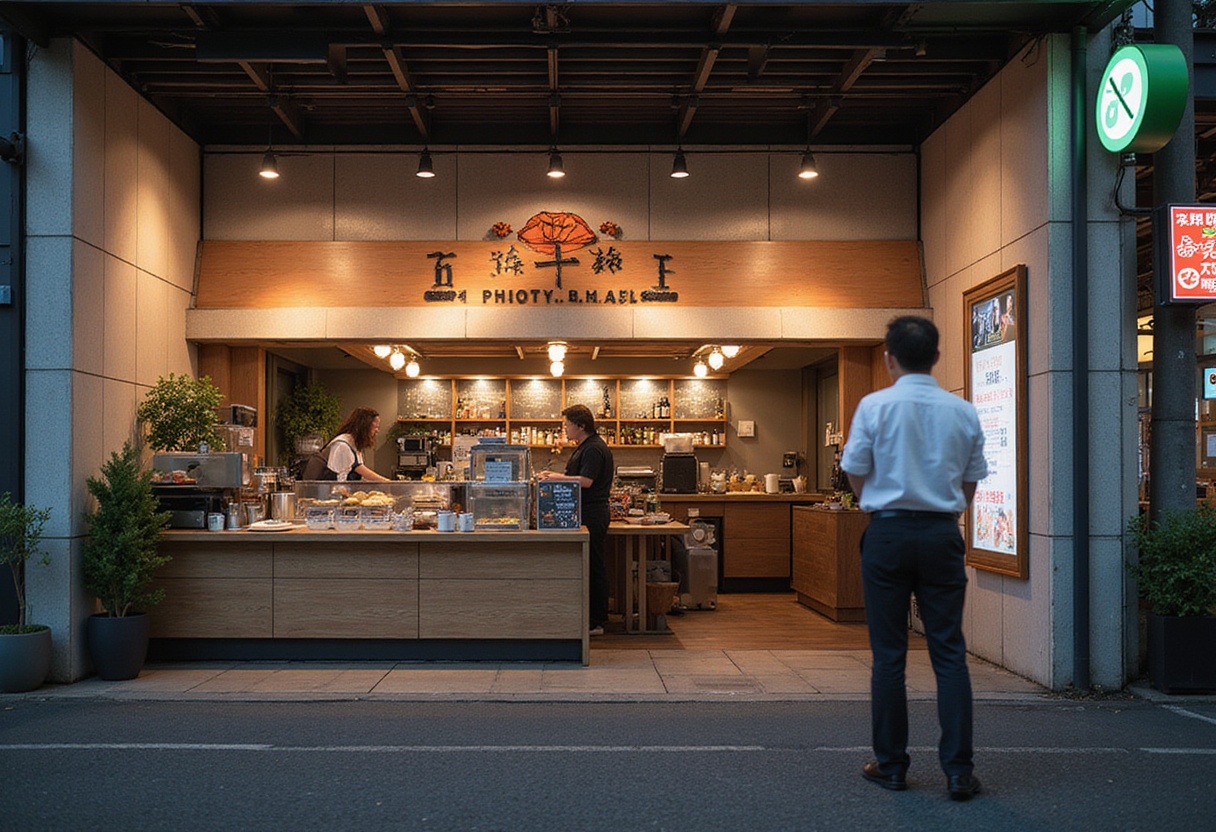
Japan Shelves Restaurant Meal Voucher Plan, Narrowing Tax-Cut Stimulus
Japan's government has shelved a planned meal voucher program for the restaurant sector, narrowing demand-side stimulus tied to an upcoming tax cut and leaving operators without a publicly funded top-line lever.
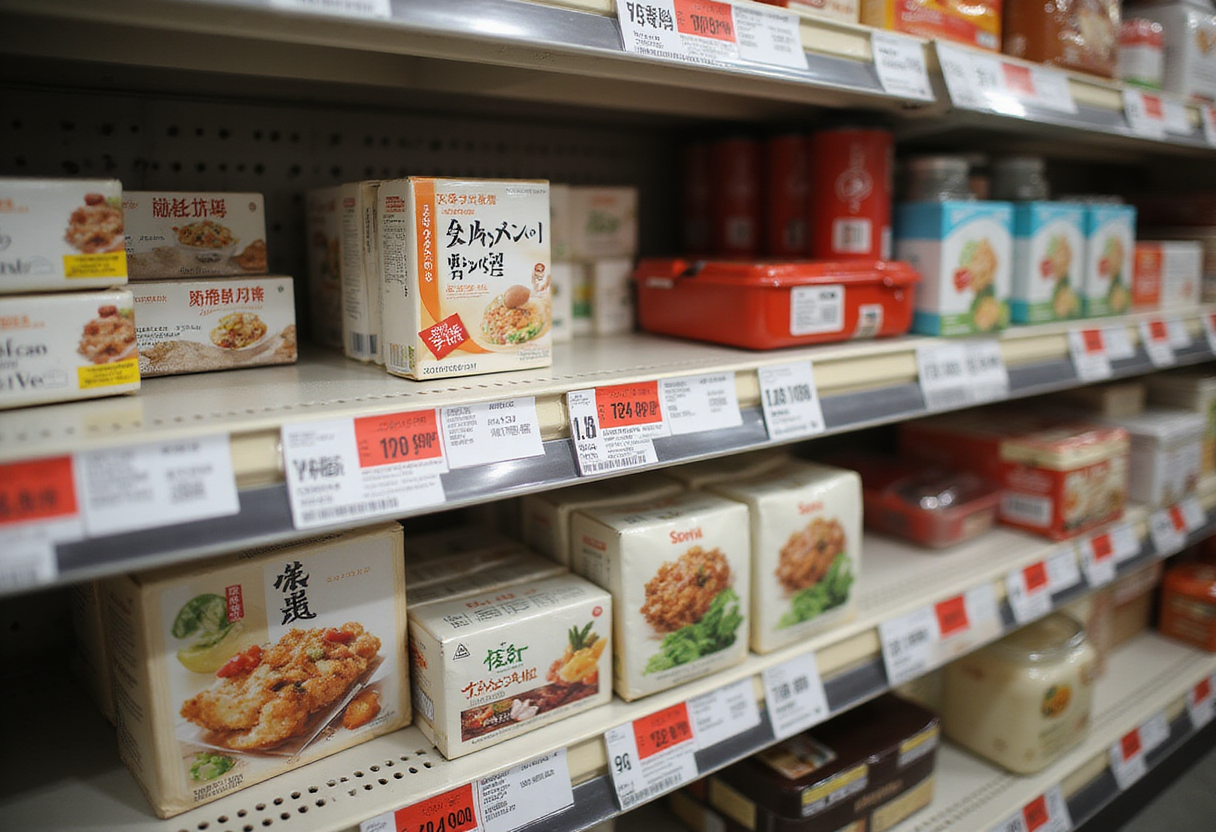
Japan's government has shelved a planned meal voucher program targeted at the restaurant sector, narrowing the demand-side stimulus originally tied to an upcoming tax cut. The reversal, first reported by BigGo Finance, removes a direct sales lever that policymakers had positioned as one of the more operator-friendly elements of the package.
Without vouchers, the demand-side portion of the plan now sits at the tax cut alone, a narrower instrument that lowers the price of restaurant purchases rather than injecting new purchasing power into the market.
What the voucher plan was built to do
The shelved program would have distributed vouchers to consumers for redemption at restaurants. The mechanism transferred part of the cost of dining out from the household to the public balance sheet. In design, it gave operators a publicly funded tailwind tied to a fixed policy window — the kind of discrete sales event that restaurant finance teams can plan against.
What changes for operators now
Restaurants that built planning assumptions around a voucher-driven traffic lift must now recalibrate. The substitution matters because the two instruments work differently at the check. A tax cut reduces the price the consumer pays. A voucher adds a discrete spending unit that produces incremental visits rather than reshuffling existing dining dollars.
For chains and independents operating with labor costs that typically sit in the high-twenties to low-thirties as a share of sales — the operating reality of Japan's full-service segment — voucher-funded visits function as a top-line lever the tax cut cannot replicate on its own.
What stays in place
The underlying tax cut remains part of the policy package. Restaurants will still see lower tax-inclusive menu prices through the policy window if the reduction is fully passed through. Operators should expect pricing decisions around the cut to be visible, since quick-service and convenience formats carry lower labor intensity than full-service kitchens and are therefore better placed to absorb promotional discounting across the cut.
What operators should watch next
With the voucher channel closed, the question of whether policymakers will substitute another demand instrument for the foodservice sector moves to the fiscal supplemental cycle and to the conversations between the major operators' associations and the relevant ministries. Operators should monitor announcements on direct subsidies, financing guarantees, and targeted support for small operators in the weeks ahead, since the policy conversation has shifted away from consumer-side vouchers and toward operator-side backstops.
Forward
Japan has, in successive fiscal cycles, used direct operator subsidies, loan guarantees, and consumption tax adjustments as hospitality backstops; the voucher design represented a break from that pattern, and its withdrawal returns the policy channel to the more familiar toolkit.
More from Elena Vasquez
Show full bio
News editor covering people, launches and day-to-day practice in Restaurant and hotel operations at The Pass Brief.
370 articles