57.8% of Japanese Restaurant Operators Expect Traffic to Fall After Tax Cut
A majority of Japan's restaurant industry — 57.8% of operators surveyed — expects customer counts to decline after the consumption tax cut takes effect, an industry survey shows.
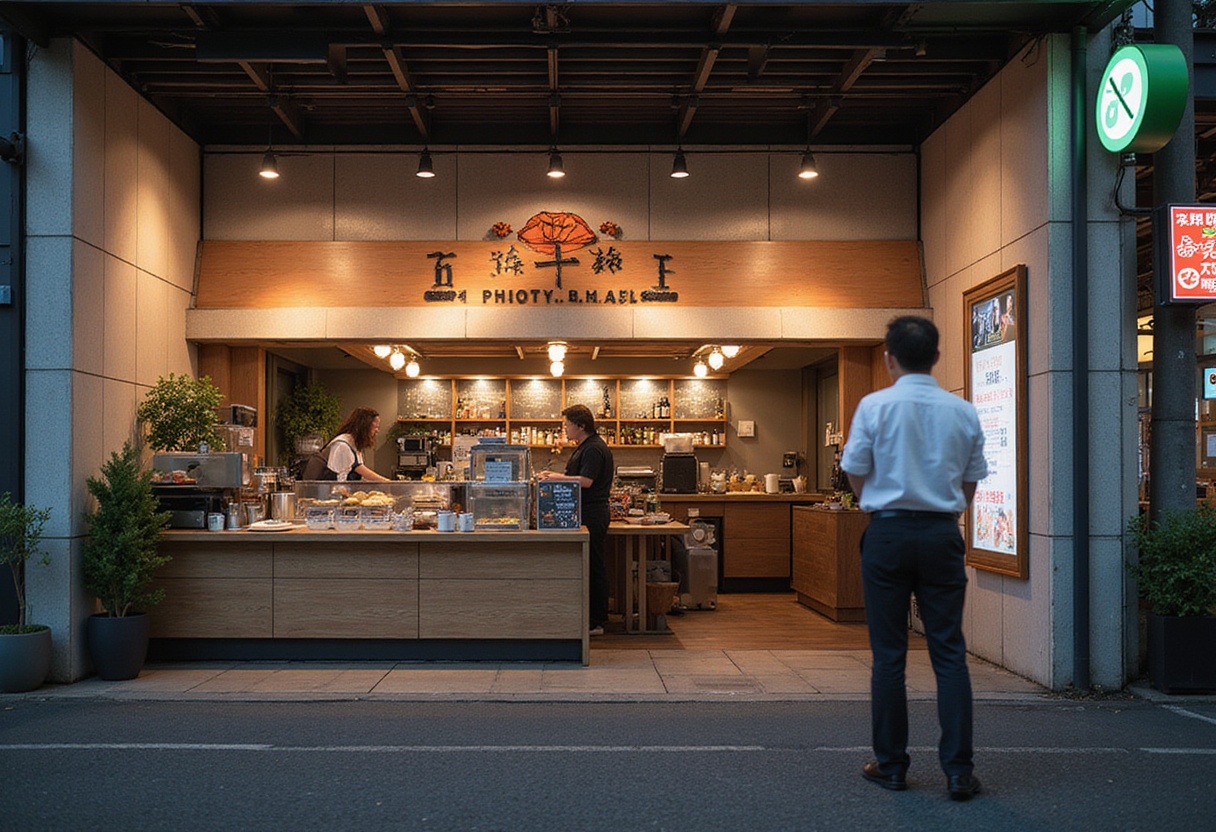
A majority of Japan's restaurant industry — 57.8% of operators surveyed — expects customer counts to decline after the consumption tax cut takes effect, according to an industry survey reported by BigGo Finance.
The finding is counterintuitive on its face: a lower consumption tax should, in standard pricing logic, put more spendable income in consumers' pockets and lift restaurant traffic. Instead, operators are bracing for the opposite outcome, a signal that the sector reads the tax change as arriving amid broader pressure on consumer discretionary spending rather than as a stimulus for dining out.
What does the survey actually measure?
The survey asked participants in Japan's restaurant industry how they expect customer volumes to move once the consumption tax cut is implemented. The single headline figure — 57.8% — represents the share anticipating a decline in customers.
That leaves a substantial minority of operators with a different outlook, whether flat traffic, continued growth, or recovery. The distribution beyond the 57.8% figure was not disclosed in the report, but the majority position itself is the operative signal for an industry that runs on tight, volume-dependent unit economics.
Why would a tax cut worry restaurant operators?
For a sector where profitability hinges on covers per shift, food cost percentages, and labor ratios, any expectation of declining customer counts forces defensive planning before the policy even takes effect. Operators anticipating softer traffic typically respond on the levers they control: menu engineering to protect margins, pricing adjustments, staffing levels matched to forecast covers, and tighter sourcing commitments to hold down cost of goods.
Japan's restaurant market has spent recent years managing inflation-driven input costs and a chronic labor shortage. A tax change that operators believe will not translate into incremental dining occasions complicates that math further, because any price relief passed through to consumers compresses already thin margins if traffic does not follow.
The 57.8% figure also matters as a sentiment indicator. Expectations among operators tend to shape investment decisions — new store openings, refurbishment cycles, hiring — well before the actual sales data arrive. A majority bracing for decline suggests caution on expansion and capital spending across the sector in the near term.
What comes next?
The survey captures expectation, not outcome. The real test will come in the months after the consumption tax cut takes effect, when transaction counts, average check data, and same-store sales figures will show whether the majority's pessimism was warranted or whether the tax relief ultimately pulls diners back into Japan's restaurants.
More from Elena Vasquez
Show full bio
News editor covering industry trends and analytics at The Pass Brief.
245 articles