Japan's Budget Hotel Chains Take the Sento-and-Free-Breakfast Model Overseas
Japanese budget hotel operators are expanding overseas armed with two amenities: communal public baths and free breakfast. The economics travel; the culture may not.
Japan's budget hotel operators are pushing into overseas markets, and they are exporting more than a price point. Their traveling kit includes two amenities the domestic economy segment has long treated as standard: communal public baths and free breakfast, according to Nikkei Asia.
That detail matters. In the Japanese economy hotel business, the sento-style shared bath is not a spa feature. It is a fixed-cost asset — plumbing, heat, cleaning labor — that drives occupancy at rate levels where Western limited-service operators would consider it uneconomic. Free breakfast follows the same logic: cheap cost of goods, high perceived value, measurable lift on repeat bookings.
Why are the baths the story?
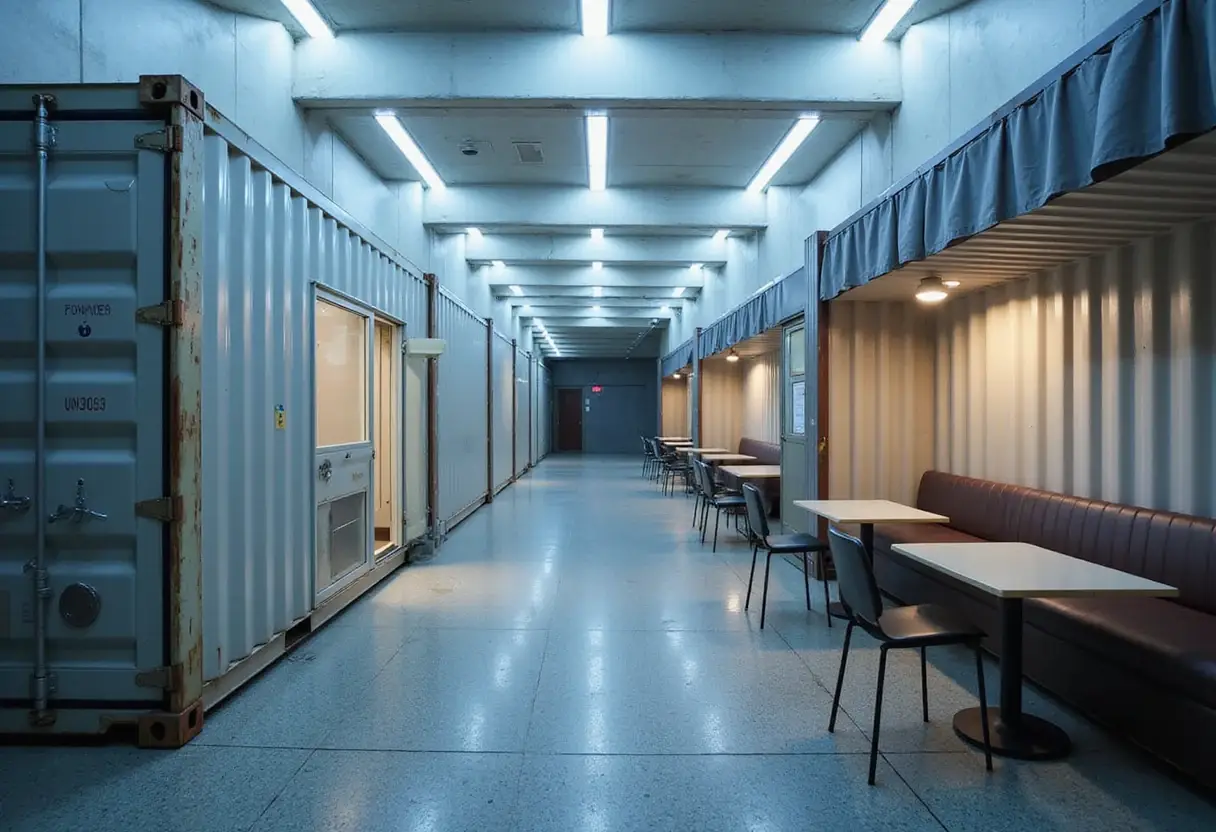
For a domestic budget operator, the public bath substitutes for in-room bathrooms, some of the time, and for any separately sold wellness product. It is menu engineering applied to real estate. Square footage moves from low-yield private space to a shared amenity with near-zero marginal cost per guest, and the guest perceives it as generosity rather than economy.
The open question for the overseas push is whether that unit economics equation survives translation. Nikkei Asia reports the expansion is underway; the report does not yet say which markets are absorbing the model or at what pace. The bath model assumes both regulatory permission and cultural demand, and the second is harder to install than the first.
What does free breakfast signal?
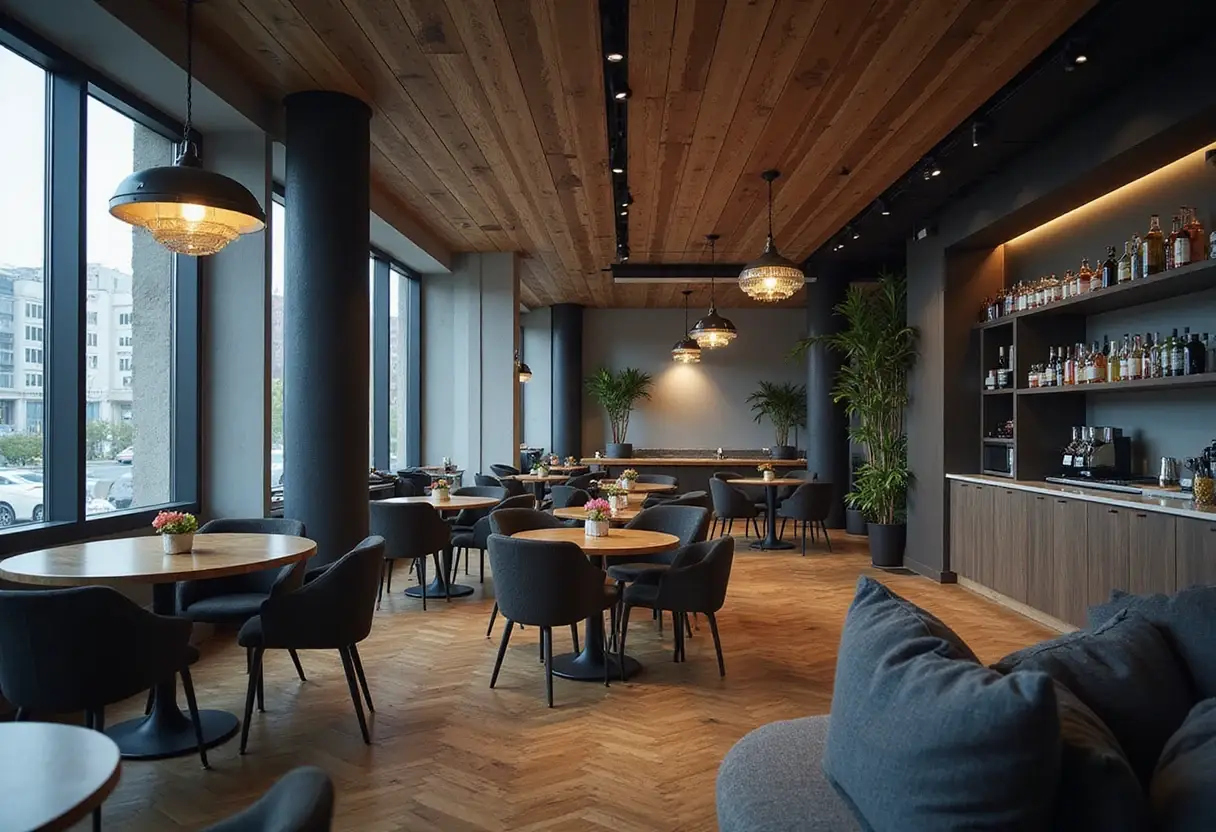
Complimentary breakfast is the more portable of the two amenities. It has a long pedigree in Western limited-service hotels, where operators treat it as a conversion tool: a two-dollar cost of goods that wins a booking otherwise lost to a competitor's rate.
For Japanese chains entering foreign markets, pairing it with the bath suggests a deliberate positioning choice. They are not competing purely on rate. They are competing on a bundled experience — soak, sleep, eat — that undercuts midscale rivals on price while out-featuring fellow budget players.
That is a classic good-better-best squeeze. It works when the bundle costs less to deliver than the rate premium it commands. Communal baths scale well on cost per guest; breakfast does too. The model's weakness is capital cost per property and any market where shared bathing reads as an imposition rather than a perk.
Is this a wave or a test?
Nikkei Asia frames the move as a ramp-up, not a pilot. That distinction carries weight. A ramp-up implies committed pipeline — signed leases, funded construction — rather than a single flagship sniffing at demand.
The Japanese economy hotel segment has ample reason to look outward. Domestic leisure demand is seasonal and increasingly contested by new domestic supply, while outbound Japanese travel and inbound foreign familiarity with the format both create natural demand pockets abroad.
Watch the franchising question next. If these operators expand through company-owned properties, they carry the capital risk and keep the standards. If they franchise, the bath requirement becomes a hard clause in the franchise agreement, and compliance becomes the operator's real problem.
For now, the concrete facts are these: the chains are moving, and they are leading with the bath and the breakfast. The unit-level margins will tell the rest.
More from Rebecca Stone
Show full bio
Senior reporter covering technology and product news in Restaurant and hotel operations at The Pass Brief.
523 articles