Unstaffed Container Hotels Are Spreading Across Hokkaido
Unstaffed container hotels, the modular no-front-desk lodging format, are spreading across Hokkaido, Japan's seasonally driven northernmost tourism market.
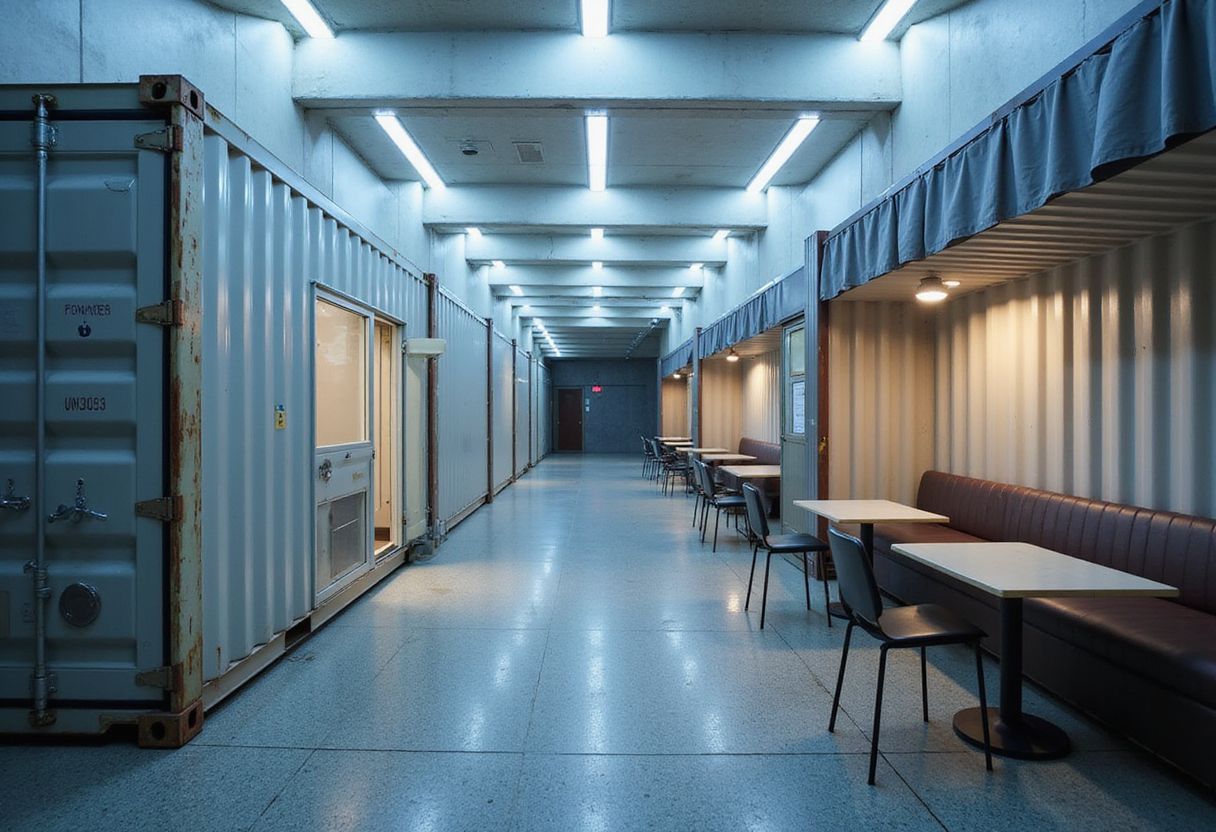
Unstaffed container-format hotels have begun spreading across Hokkaido, extending a Japanese lodging model that removes the front desk from the cost equation entirely.
The Seoul Economic Daily reports that the format — compact, modular sleeping units operated without on-site staff — is now moving beyond its original urban footholds into Japan's northernmost prefecture, a market better known for ski resorts and summer tourism than for budget experimentation.
What is an unstaffed container hotel?
The concept is straightforward: prefabricated container units, each holding a single sleeping space, are grouped on a site and managed remotely. Guests check in via smartphone or keypad. No receptionist, no night porter, no housekeeping staff walking corridors.
That changes the labor math fundamentally. In conventional limited-service hotels in Japan, staffing typically represents one of the largest controllable cost lines. An unstaffed format pushes that percentage toward zero on site, replacing it with a remote operations layer, digital access hardware and periodic cleaning visits.
The container construction itself shifts capital economics as well. Modular units can be manufactured off-site, transported and installed far faster than a stick-built property, and scaled unit by unit as demand data justifies.
Why Hokkaido?
The northern island presents a specific commercial case for the format. Tourism demand is intensely seasonal — concentrated in the winter ski season and the summer peak — which makes year-round staffing commitments expensive relative to revenue.
An unstaffed, modular property can absorb peak-season demand without carrying a permanent payroll through the shoulder months. Land costs outside the major cities of Sapporo and Otaru are also lower than in Japan's metropolitan corridors, improving the unit economics of a low-cost build.
The spread across Hokkaido, rather than a single-city pilot, signals that operators see the model as replicable in regional markets, not merely a Tokyo or Osaka novelty.
What does the format replace, and who pays?
For operators, the model replaces:
- Front-desk and overnight labor with remote check-in systems
- Conventional construction with factory-built container modules
- Full-service staffing with scheduled cleaning and maintenance visits
For guests, the trade-off is price against service. The format targets travelers — budget tourists, transit passengers, seasonal workers — who prioritize a private, secure sleeping space over amenities.
Guests effectively absorb the friction of a fully digital stay in exchange for a lower nightly rate, the same exchange that self-service kiosks and mobile ordering have established in the restaurant industry.
What comes next?
The Hokkaido expansion positions the container format as a test of how far Japan's unstaffed-economy model can travel from dense urban cores. If occupancy holds through the island's off-peak seasons, the format could become a template for other seasonal tourism regions across the country facing the same labor-shortage and cost pressures.
More from Rebecca Stone
Show full bio
Senior reporter covering media and advertising at The Pass Brief.
231 articles