Japan Halts New Foreign Restaurant Workers, Fueling Urban Influx
Japan's halt on new foreign restaurant workers is concentrating existing foreign labor in cities, leaving regional operators short-staffed.
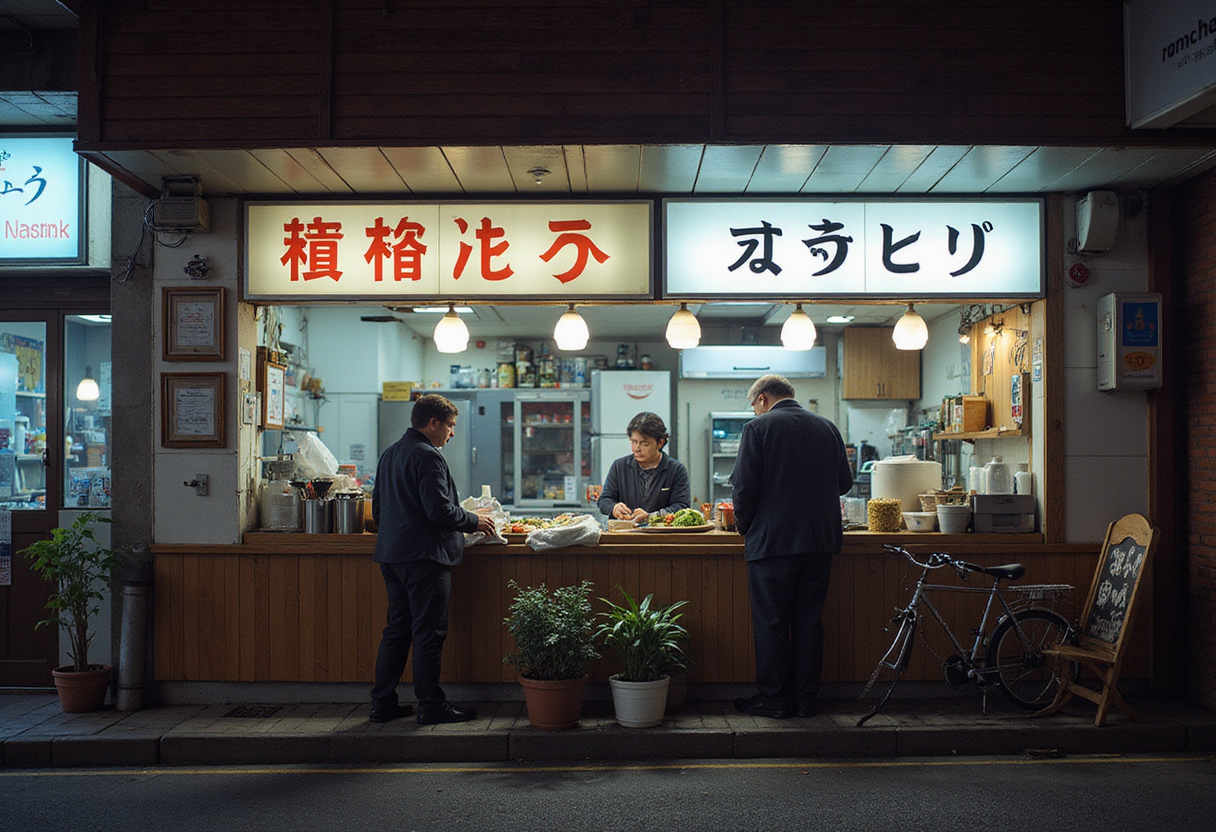
Japan has stopped accepting new foreign restaurant workers, and the ban is already pushing existing foreign labor into the country's urban restaurant markets, according to a report by nippon.com.
The policy change touches one of the most persistent structural problems in Japanese food service: restaurants in regional and rural areas depend heavily on foreign staff, and tight labor supply has shaped hiring, wages and expansion decisions across the sector for years. By halting new entries into the restaurant workforce, the government has effectively capped a labor channel that operators — from independent ramen shops to large chain groups — have relied on to keep dining rooms staffed.
The immediate effect the report identifies is geographic. With no new foreign workers entering the trade, foreign restaurant employees already in Japan are concentrating in cities, where denser demand supports more hours, higher effective pay and more job options. Rural operators, who competed for that same labor pool, now face a thinner market.
What does the halt mean for operators?
For restaurant groups, the restriction functions as a supply-side shock to labor rather than to food costs. Operators in regional markets that cannot recruit locally and cannot draw foreign workers face a choice among familiar responses to labor scarcity: raising wages to retain staff, cutting hours or units, accelerating automation at the front and back of house, or relocating growth to urban markets where workers remain available.
The urban influx cuts the other way. City restaurants gain access to a pool of experienced foreign staff whose movement is no longer offset by new arrivals spreading out across the country. That could ease labor pressure modestly in major metropolitan markets — Tokyo, Osaka and other dense corridors — while regional markets absorb the shortage.
Why does restaurant labor immigration matter in Japan?
Japan's food service sector has operated near full employment in kitchen and service roles for years, and foreign workers became a structural answer to that gap. Restaurant work sits directly in the path of the country's demographic squeeze: an aging population, shrinking prime-age workforce and persistently low unemployment mean the industry's staffing model depends on either immigration or substitution through technology and simplified formats.
A halt on new foreign restaurant workers therefore tests the substitution side of that equation. Operators who cannot hire must redesign — shorter menus that reduce prep labor, more counter-service formats, more kiosks and ordering automation — moves that change unit economics in ways that menu engineering and pricing must eventually absorb.
What happens next?
The report frames the current shift as an urban influx rather than a total labor collapse: workers already in the system remain, and they are moving to where demand is strongest. The open question is whether the halt proves temporary or becomes the standing policy. If it stands, expect the divide between urban and regional restaurant economics to widen — competitive staffing in cities, structural shortage elsewhere — and expect operators in thinner markets to push harder on automation, format simplification and wage increases to hold crews.
More from Olivia Hart
Show full bio
Staff writer covering marketplaces and e-commerce at The Pass Brief.
231 articles