Italian Restaurant in Denver's RiNo District Closes After Five Years
An Italian restaurant in Denver's RiNo district has closed after five years, marking a textbook exit at the industry's five-year survival benchmark.

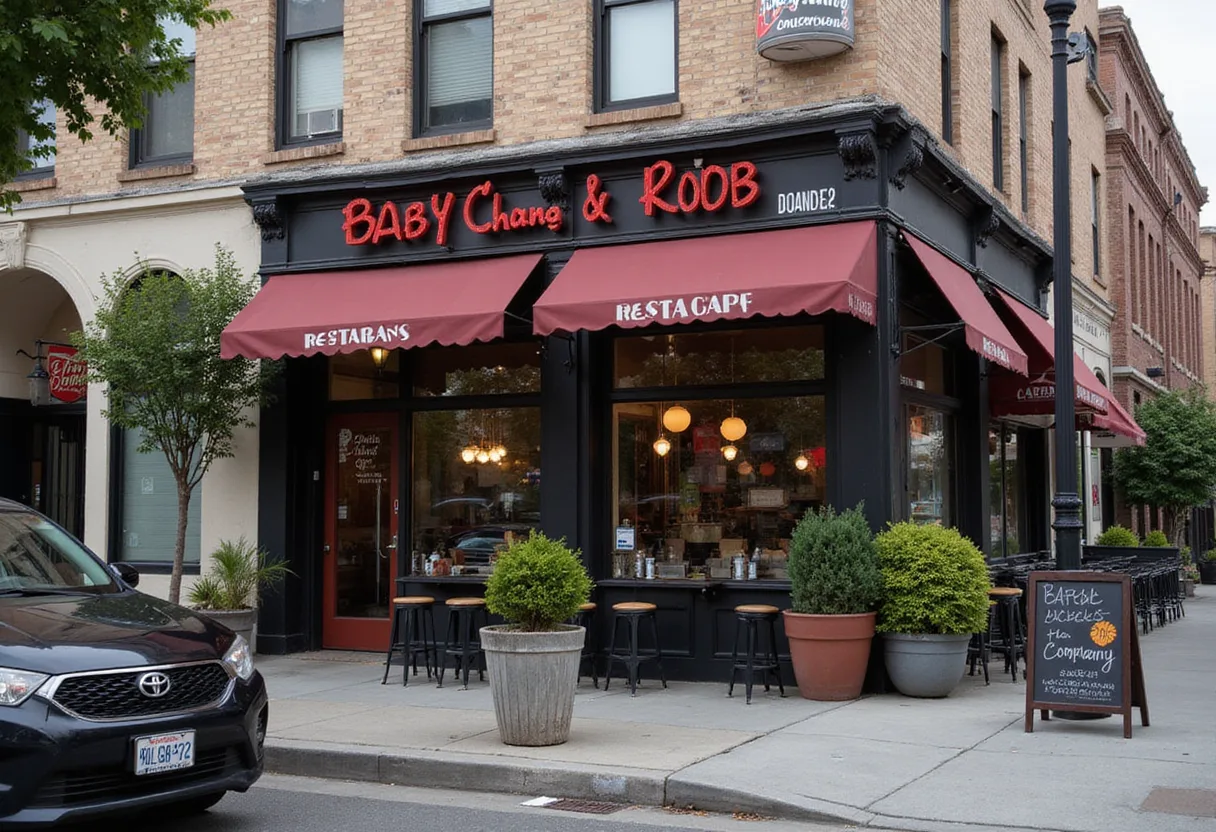
An Italian restaurant in Denver's River North Art District has closed after five years of operation, Westword reported.
The closure ends a five-year run for the neighborhood eatery, a lifespan that sits near the middle of the industry's survival curve. Bureau of Labor Statistics data have long shown roughly half of foodservice establishments close within five years of opening, which makes the RiNo restaurant's exit a textbook case of that benchmark rather than an outlier.
Five years also spans a period that tested Denver independents on multiple cost fronts. Operators that opened in the district around 2020 absorbed pandemic-era disruption, followed by elevated food commodity costs and upward wage pressure across the Front Range labor market. Westword's report did not specify which pressures drove this particular closure, and no final service date beyond the report's publication was given.
RiNo itself has been one of Denver's most active restaurant corridors, with sustained new-development activity and rising commercial rents along corridors such as Larimer Street. For an independent Italian concept — a category where menu pricing typically sits below upscale steakhouse or fine-dining tiers — rent escalation of that kind compresses the margin between check average and occupancy cost faster than it does for higher-priced formats.
What does this change for the neighborhood?
In the short term, it removes one Italian option from a district where dining density is a draw for foot traffic. It also frees up a restaurant space in a corridor where second-generation locations tend to re-lease quickly, often to concepts with stronger alcohol programs or fast-casual formats that carry lighter labor loads.
The closure follows the familiar pattern of Denver neighborhood restaurants rather than breaking it: an independent opens during a growth cycle, operates through a cost-reset period, and exits at the five-year mark. The unit count for Italian dining in RiNo drops by one; the address itself almost certainly returns to the market.
Whether the next operator at the site can build a cost structure that survives the same cycle — higher base rent, higher starting wages, tighter labor supply — will be the question that determines if the space holds a restaurant at all.
Westword, which first reported the closure, listed no plans for a successor concept at the location.
More from Elena Vasquez
Show full bio
News editor covering people, launches and day-to-day practice in Restaurant and hotel operations at The Pass Brief.
522 articles