In Copenhagen, a case for keeping humans in hospitality
Hospitality consultant Simone Puorto told Infor Hospitality Connect in Copenhagen that, as automation becomes default, keeping humans in service roles could become the new luxury differentiator.

At the Infor Hospitality Connect conference in Copenhagen, hospitality consultant Simone Puorto proposed an unconventional thesis for a room full of tech vendors: as automation becomes the industry's default, deliberately keeping humans in service roles may soon define the new luxury tier.
Puorto, who delivered the keynote, framed his argument around a question most operators are already wrestling with. "Speaking to a person could gradually shift from the default experience to a premium service," he told attendees, drawing on a framework he has been building for several years under the name Humans-as-Luxury.
What does the framework look like?
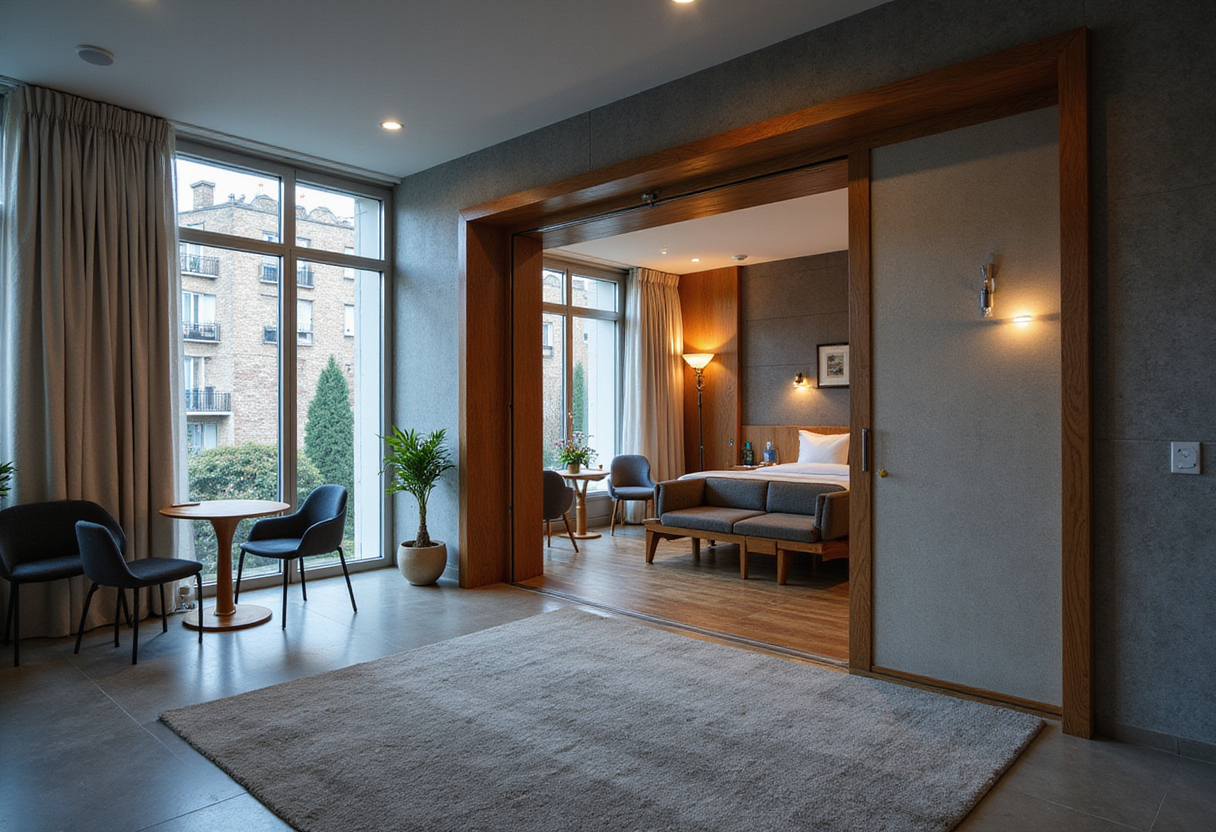
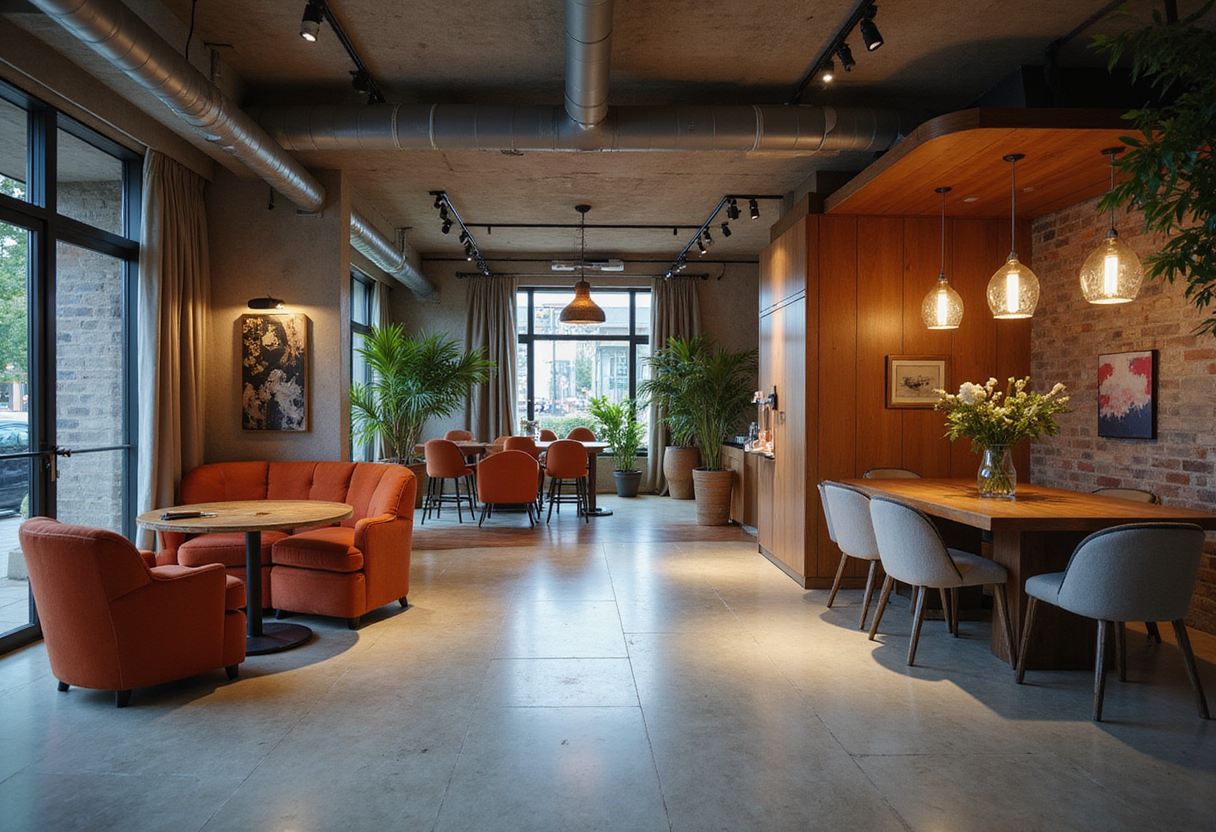
Puorto's "3-Hotel-Problem" sorts properties into three models based on how they balance human labor, automation, and guest interaction:
- Technocentric hotel — Guests book online, check in with a phone, and move through the stay without speaking to staff. Some chains already lean this way; short-term rentals sit at the extreme. The trade-off, Puorto asked: "Are we still selling hospitality, or are we selling access to infrastructure?"
- Hybrid hotel — What Puorto called "the dominant model" most operators will land on. AI handles revenue management, forecasting, distribution, and back-office admin. Staff return for the moments that demand judgment, empathy, or personal taste. "The purpose of automating the repetitive should be to make room for the irreplaceable," he said.
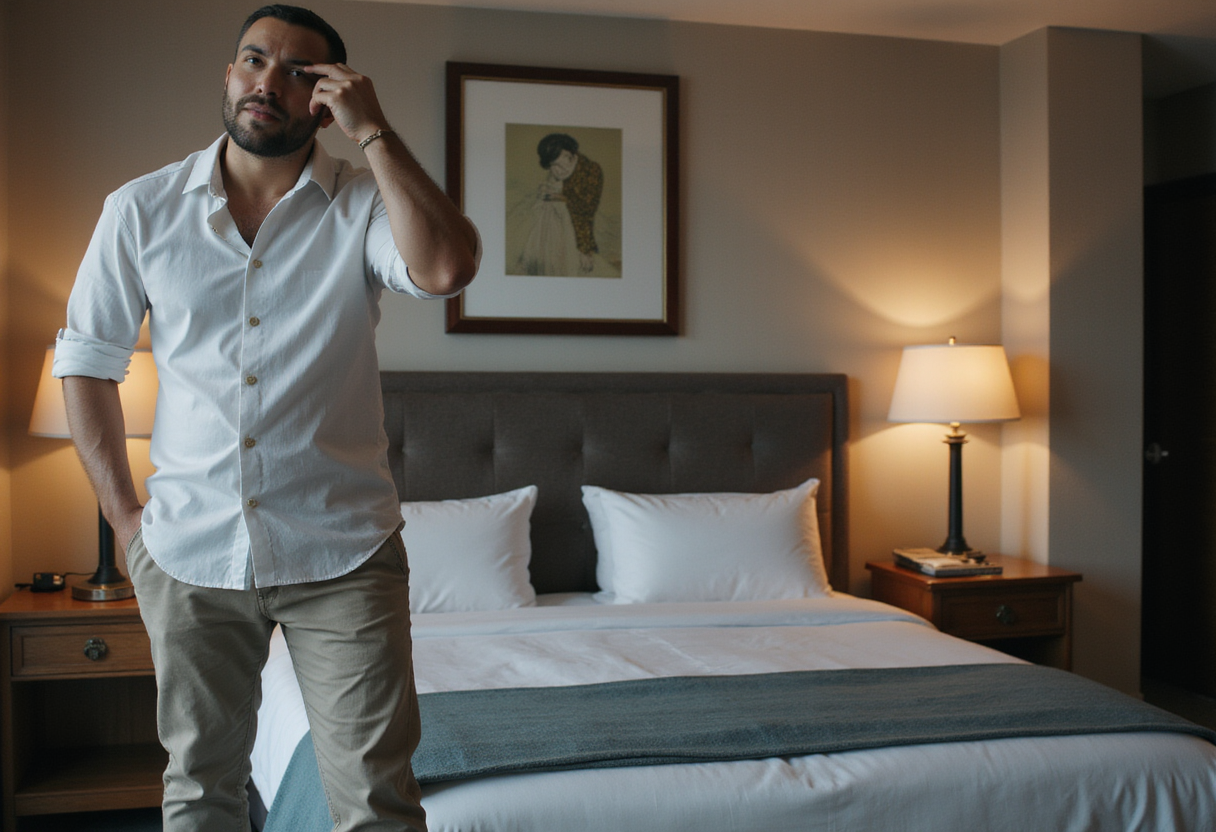
- Anthropocentric hotel — Human interaction is the value proposition itself. Technology still runs the building. Guests simply experience people. Alongside star ratings, amenities, and review scores, Puorto predicted, properties could soon be evaluated on their "human-to-machine ratio."
What does this change for operators?
The labor economics are unavoidable. Hospitality supports hundreds of millions of jobs globally. Travel demand keeps climbing while the domestic workforce shrinks under demographic decline, tighter migration policy, and turnover. Higher wages help, Puorto conceded, "but they are only part of the solution."
He pointed to Japan as the preview. The country pairs world-class robotics adoption with one of the steepest demographic declines on record, and has already experimented with robotic Buddhist funeral ceremonies and robotic preachers — domains most would consider irreducibly human.
Where does the industry's automation language go wrong?
Puorto took aim at the rhetoric operators hear from vendors and consultancies. "Adapt or die." "There is no going back." "The future is inevitable." "We have somehow started describing a collection of human decisions as though they were a natural disaster," he said, nodding to the late theorist Mark Fisher's idea of Capitalist Realism.
He also flagged what he calls the Reverse Uncanny Valley. When staff deliver scripted, mechanical check-ins, the result feels worse than a kiosk. "A hotel can employ hundreds of people and still deliver impersonal hospitality," Puorto warned. "Human presence and human connection are not the same thing."
What does technological maturity actually mean?
Puorto's test is simple: separate what can be automated from what should be. "What can be automated and what should be automated are two different lists, and knowing the difference is what I call technological maturity," he told the audience.
He proposed the inverse of philosopher Günther Anders' "Promethean shame" — a stance he called Promethean pride. Operators can admire what machines do well without measuring staff against machine KPIs.
Puorto expects the three hotel models to coexist for decades. Winners will be operators who know where automation creates value — and where it quietly erodes the product. The question his audience left with: will tomorrow's premium guest pay more to be noticed by a person, and will tomorrow's operators have the margin to keep those humans in the room?
More from Daniel Okafor
Show full bio
Correspondent covering companies, deals and strategy in Restaurant and hotel operations at The Pass Brief.
378 articles