Hotels Rework Christmas Events to Cut Waste and Costs
A 2026 guide for hotel Christmas events argues the biggest sustainability gains happen backstage: tighter guest counts, reusable serviceware, surplus food handling and waste tracking after the last guest leaves.

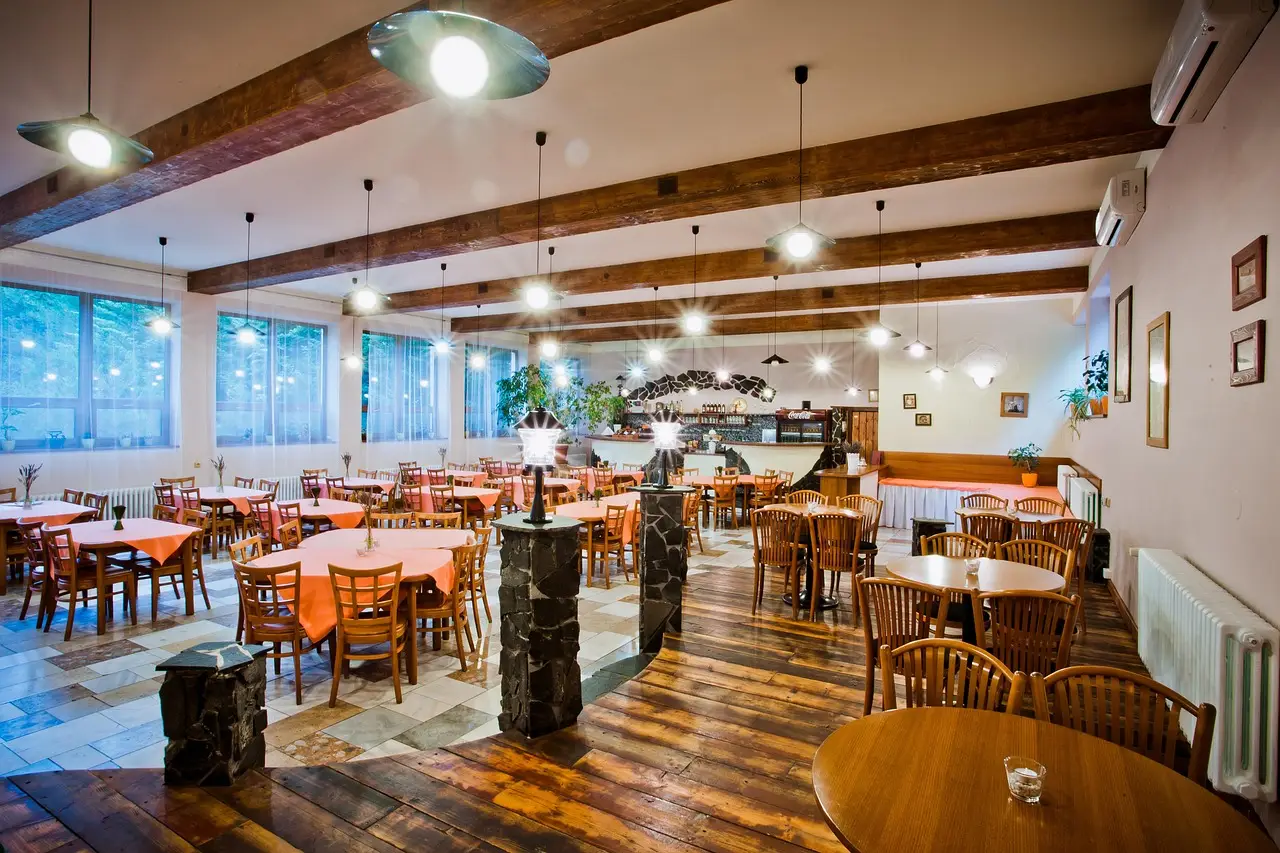
Christmas is one of the busiest event seasons on the hotel calendar, and a new operational playbook for 2026 argues the season's biggest savings come from work guests never see. The framework, published by sustainable-materials firm GCSTIMES, breaks festive operations into three phases: before, during and after the event, each with its own waste and cost levers.
The logic is straightforward. Family gatherings and corporate annual dinners fill ballrooms with decorations, prepared menus and entertainment, and every one of those elements carries a purchasing decision. The guide frames sustainability in three parts: reducing unnecessary consumption, supporting people and communities through local partnerships and responsible sourcing, and using resources in ways that create lasting value.
What changes before the doors open?
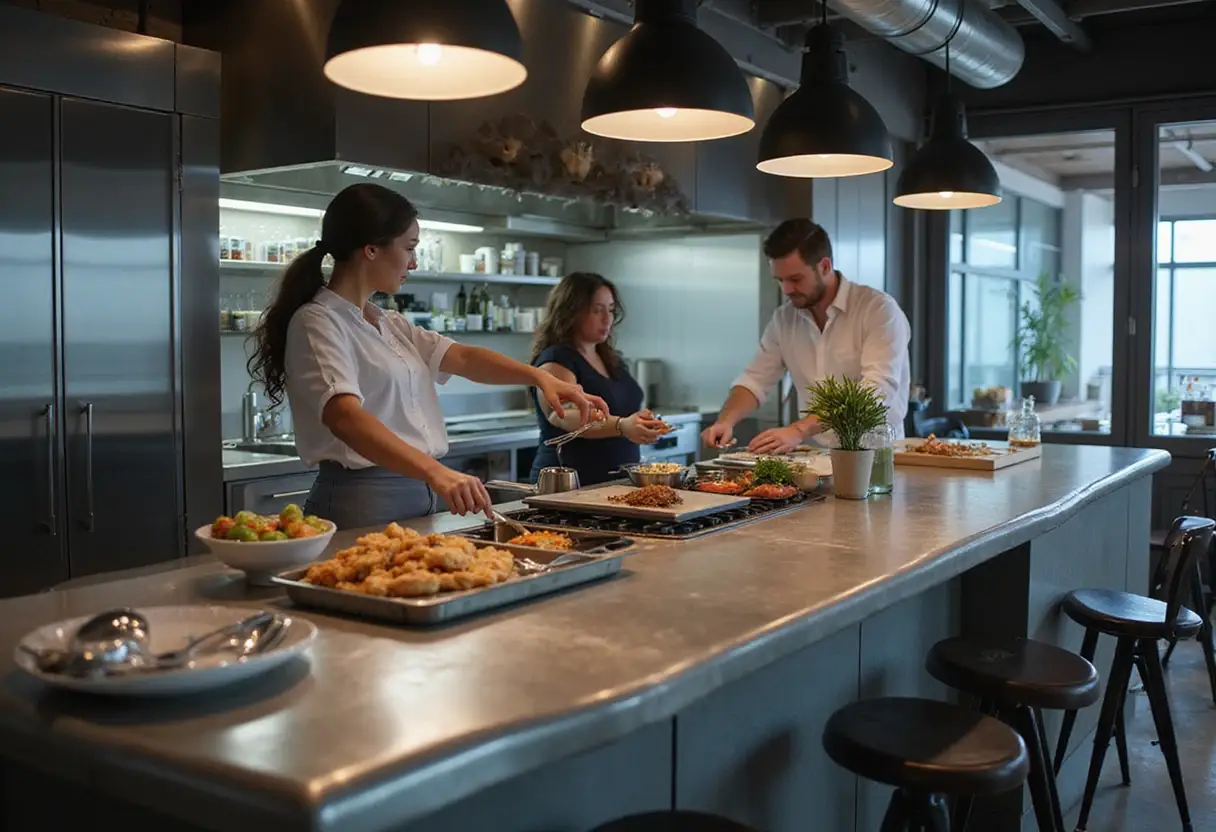
Planning is where waste gets prevented, not managed. The guide calls for confirming guest numbers early, collecting dietary requirements in advance, and tightening coordination between three departments that often operate in silos: event sales, banquet service and the kitchen. Accurate headcounts mean accurate purchasing, and accurate purchasing means less food bought that will never be plated.
What changes during service?
The in-event recommendations are mostly substitution plays. Hotels are urged to serve filtered drinking water in reusable glassware, run refillable service stations, and replace disposable service items with reusable alternatives wherever practical. For buffets, the guide stresses live communication between kitchen and banquet teams so output can respond to actual consumption patterns rather than projections — the difference between a station that empties and one that gets scraped.
The visible side of the evening gets a rethink too. Extravagant stage productions and elaborate props are optional. Local musicians and performances rooted in local culture can carry the atmosphere while channeling entertainment spend toward nearby talent. Guest-participation formats — wreath-making workshops, ornament sessions using responsibly sourced or reclaimed materials, collaborative installations — shift the experience from consumption to creation. The guide also suggests pairing corporate celebrations with local community organizations for fundraising, charity auctions, donation corners or gift-giving initiatives.
What happens after the last guest leaves?
This is where most event programs quietly fail. The guide asks hotels to separate waste properly, arrange responsible handling of surplus food where suitable channels exist, and store reusable event materials instead of discarding them. Then it pushes one step further into measurement: track food waste, disposable item usage and decoration reuse as practical indicators, and use those numbers to plan the next event more sharply. Without that data, each December starts from zero.
Who is behind the guidance?
GCSTIMES has worked in sustainable development since 2011, moving from smart card R&D into sustainable material innovation. The company holds FSC certification C148965 and an EcoVadis Silver Medal, and runs a brand portfolio — GCS, AUROkeys, Xenyra and Glint Spot — covering sustainable smart cards, custom-shaped key cards, supplies and cultural gifts. It has a commercial interest in the reusable and recycled products it recommends.
The guide's core argument is that hotel sustainability doesn't hinge on any single swap. It stacks: better planning, reusable serviceware, local entertainment, community partnerships and post-event tracking each shave waste or cost, and together they reframe the festive season as an operation that can be audited and improved year over year. For hotels already fighting margin pressure on banquet F&B, the 2026 playbook offers a way to cut inputs without cutting the experience.
More from Daniel Okafor
Show full bio
Correspondent covering companies, deals and strategy in Restaurant and hotel operations at The Pass Brief.
803 articles