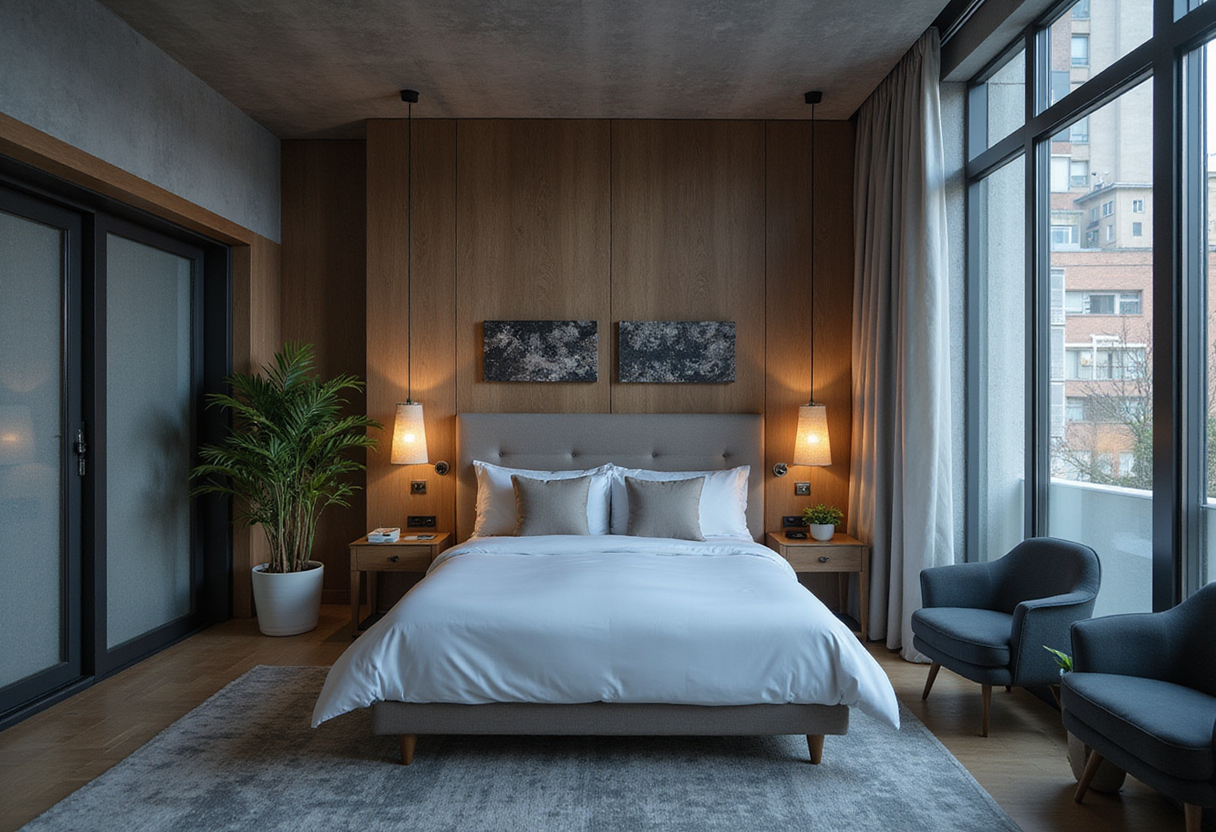
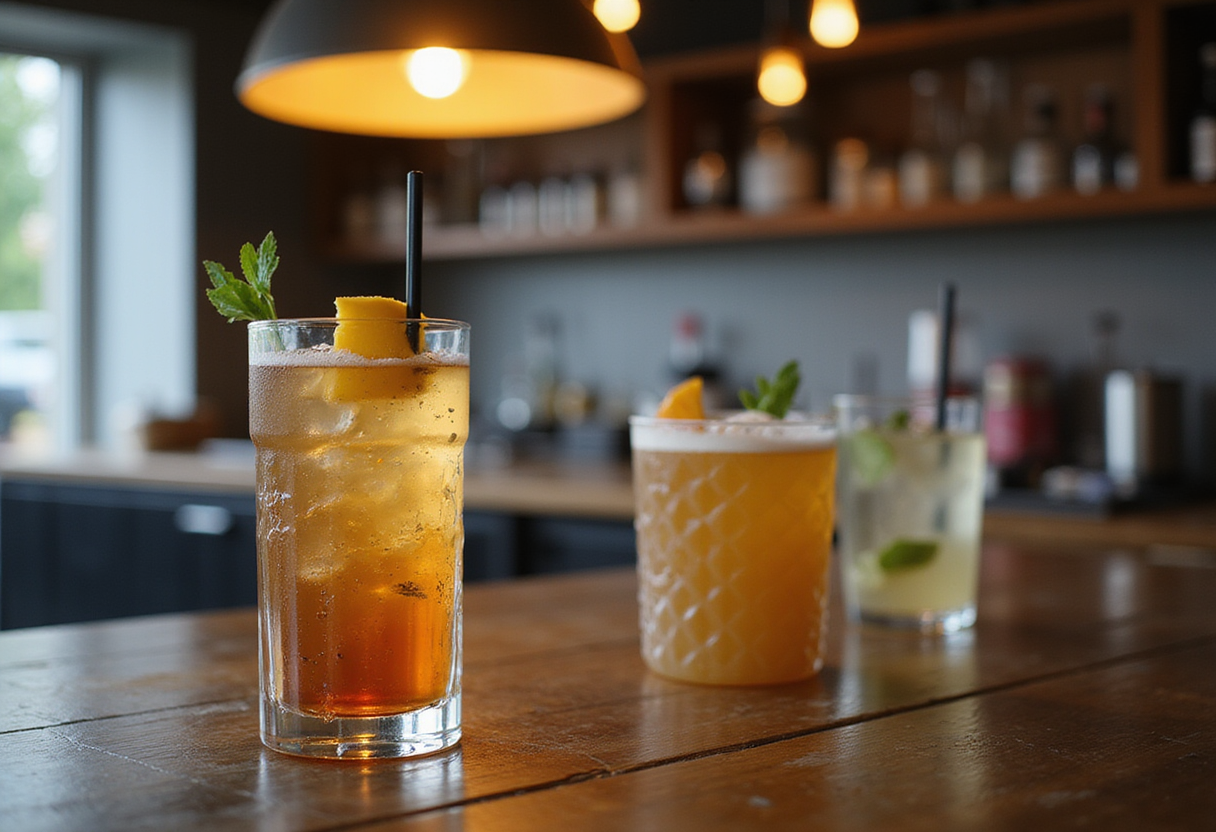
Hotel Coffee Becomes an All-Day Revenue Stream, Not a Breakfast Amenity
Fall 2026 menus preview 2027 hotel F&B: coffee becomes an all-day revenue stream, bourbon and local taps program the bar, and lobbies turn into multi-daypoint profit centers.
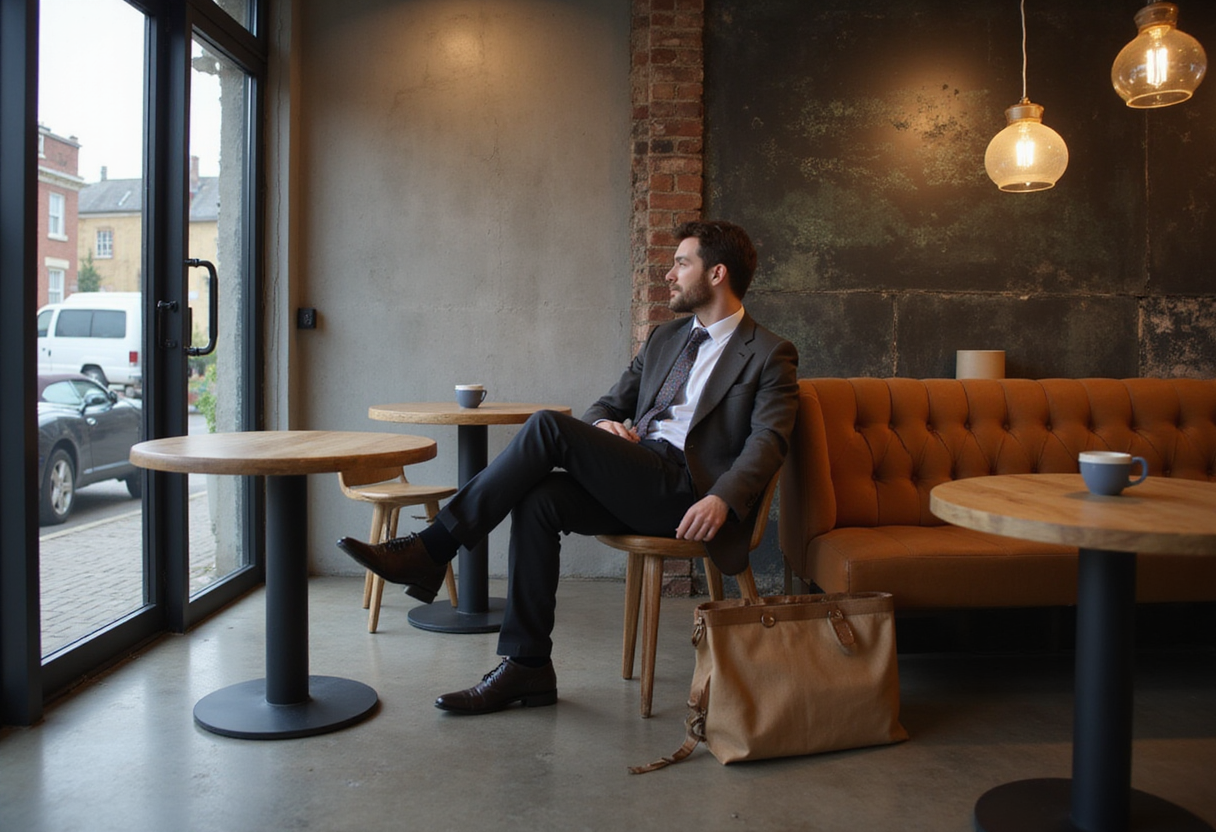
Fall 2026 menus are functioning as a preview of hotel food and beverage in 2027, and the central claim from one operator is blunt: F&B can no longer be treated as a hotel amenity. The argument is economic as much as culinary. A lobby that serves coffee in the morning, remote workers at midday and a bar crowd in the evening converts one space into multiple dayparts and multiple revenue streams.
The forecast comes from an F&B operator writing on fall trends through 2027, covering coffee, bourbon and craft beer programming, comfort food and the push to attract local customers alongside overnight guests.
The competitive frame is wider than the restaurant down the street. The operator writes that hotels now compete with DoorDash, grocery stores, meal kits and the guest's own kitchen. "If we expect someone to get dressed, come downstairs, sit at our bar or restaurant, and spend their money with us, we have to give them a reason."
What changes for coffee programs?
Coffee, long treated as a cost of doing business — a lobby pot, breakfast service, hot banquet coffee — is now a standalone category. The operator argues it can generate revenue from the first morning meeting through the afternoon and into the evening.
Cold coffee matters most. Cold brew, iced espresso drinks and flavored specialty beverages sell year-round, not just in summer. Espresso martinis have already blurred the line between coffee shop and bar, and coffee is moving into cocktails, desserts and zero-proof beverages.
The low-commitment economics are the point. Unlike a full meal concept, coffee does not require a guest to commit to a check. That makes it the cheapest way to pull people into public spaces — the remote worker, the meeting attendee, the local resident meeting a friend.
Seasonal flavors like maple, caramel, cinnamon and toasted nut create a connection without a menu overhaul, the operator notes. What is not quantified: actual attachment rates, average coffee checks, or the capital cost of espresso equipment and trained bar staff. The claim rests on observed guest behavior, not disclosed margins.
Can bourbon and craft beer program a bar?
Bourbon builds momentum into 2027, according to the forecast, but the recommendation goes beyond a longer whiskey list. Flights give guests an approachable comparison. Partnerships with local and regional distillers, barrel-finished expressions and private selections offer products guests cannot buy elsewhere.
The same logic applies to beer. Rotating taps from nearby breweries, seasonal releases and tasting flights make a program feel curated rather than stocked. Brewer takeovers, beer dinners and meet-the-distiller events turn a drink order into a paid experience.
"The real opportunity with both craft beer and bourbon is education," the operator writes. Tastings, flights and pairings add story and interaction to what the guest is paying for — a programming strategy, not just a beverage strategy, aimed at building a neighborhood following.
The caveat is structural. A successful hotel bar cannot depend exclusively on the people sleeping upstairs, and the source offers no data on how much local traffic these events actually draw.
Is comfort food returning?
Yes, but in upgraded form. Guests want recognizable dishes with a twist — a familiar pasta with regional influence, a burger with local cheese or a house-made condiment. Simpler preparations with better ingredients are winning over 30-ingredient plates.
Value is the operator's word for 2027, defined explicitly as something other than discounting: guests will spend if the experience matches the price. Shareable plates and smaller portions give guests spending control while encouraging orders, and hospitality — remembering a drink, a chef table visit, a local recommendation — adds perceived value at near-zero operational cost.
"You cannot DoorDash that."
Why does this matter for 2027?
The sharpest claim is that hotel F&B is becoming part of the reason people select a hotel at all, reversing decades of amenity thinking. A hotel restaurant should serve the guest upstairs, the couple five miles away, the private-dinner buyer and the group planner simultaneously.
That reframes the lobby as well. The pass-through lobby is losing relevance; a lobby with morning coffee, daytime work space and an evening bar may become one of the most productive spaces in the building.
The operator is skeptical of chasing TikTok trends and advises watching behavior instead: what guests order at 2 p.m., what they leave on the plate, what they pay more for, what draws locals back. No unit counts, check averages or cost figures appear anywhere in the forecast — operators will need their own numbers before betting a renovation on it. Done right, the argument runs, F&B becomes the reason someone walks through the door rather than the department the brand requires.
More from Marcus Bennett
Show full bio
Market editor covering technology and product news in Restaurant and hotel operations at The Pass Brief.
374 articles