Hotels and Airports Serve $7 Cappuccinos While Farmers Get a Fraction
Coffee trade topped $34 billion in 2024, yet hotels and airports still treat coffee as a cost line. Farmers get a fraction of every $7 airport cappuccino sold.
World coffee production exceeded 11 million tonnes in 2024, and international trade in the commodity was worth more than $34 billion, according to Food and Agriculture Organization estimates cited in a new eTurboNews analysis. Yet the article argues that hotels and airports still treat coffee as a low-priority operational cost rather than a revenue and loyalty driver. The gap is measurable at the counter: an airport cappuccino sells for several dollars, while the farmer who grew the beans receives only a fraction of the retail price.
The $34 billion figure covers the agricultural and trading economy alone. It excludes coffee sold in hotels, airports, cafés, restaurants, and retail. No single accepted figure exists for coffee's contribution to tourism. The value chain stretches from farmers and exporters to roasters, baristas, equipment suppliers, logistics firms, and hospitality operators.
Where does the money actually go?
The analysis raises a sharp question about producing destinations such as Colombia, Ethiopia, Costa Rica, and Vietnam. Coffee tourism there—farm visits, tastings, accommodation, guided experiences, direct sales—could retain more visitor spending locally. But much of the higher-value processing, branding, and retail profit occurs far from growing communities. The piece puts it plainly: the question is whether tourism creates meaningful additional income for farmers, or merely another attractive photograph for visitors.
What is wrong with airport coffee?
Airports create a captive market. Passengers have limited choices past security, and high concession rents, labor costs, extended hours, and logistics push prices up. The article names Starbucks, built on predictable drinks and recognizable menus, and Einstein Bros. Bagels, which pairs coffee with quick breakfast items. Independent airport cafés can differentiate through local roasters and regional traditions. But the author's test is blunt: a passenger paying $7 for a cappuccino should not receive something resembling warm milk that once attended a coffee seminar. Airport operators should treat coffee as a driver of perceived airport quality, not just concession revenue.
Why do five-star hotels serve two-star coffee?
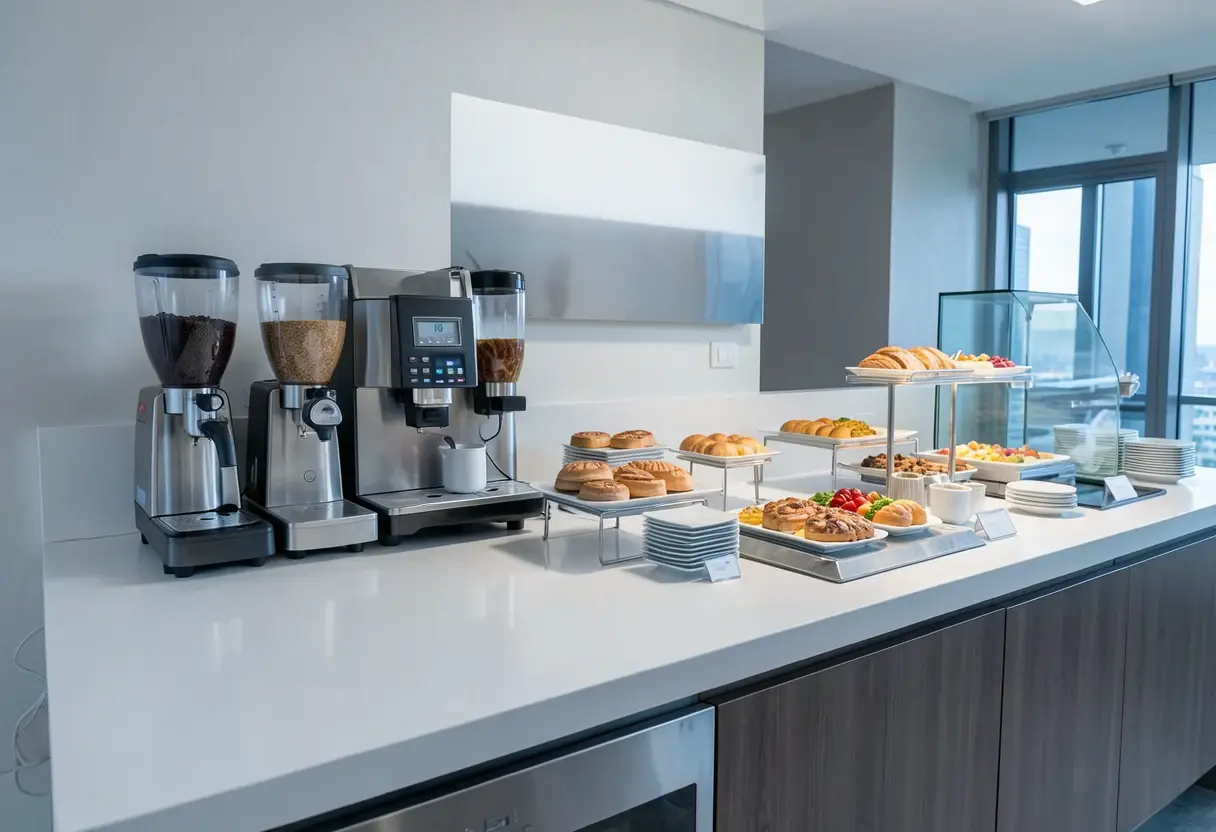
Hotels invest in artisanal breads, imported cheeses, egg stations, and champagne at breakfast. Then guests reach the machine. One button promises espresso, another cappuccino, a third produces something the article calls only theoretically connected to Italian coffee culture. Not all automated machines fail; many perform well when maintained and supplied with quality beans. The failure is managerial, not mechanical.
Guest expectations also split by market, and the article maps them:
- American visitors expect freshly brewed filter coffee with refills
- Italian guests prefer a short, strong espresso
- Germans appreciate filter coffee alongside cappuccino and espresso drinks
- Scandinavian travelers prioritize high-quality light-roasted brewed coffee
These are tendencies, not rules. The comparison stings: some hotels spend thousands on bathroom amenities while serving coffee that tastes like a complaint waiting to happen.
Is coffee part of destination identity?
The piece traces coffee from Ethiopian origins through Yemen's early trade, the Ottoman world, and European coffeehouses—early networking centers, as the author notes, without membership fees or conference badges. Austria inscribed Viennese coffeehouse culture in its national inventory of intangible cultural heritage in 2011. Italy, Ethiopia, Colombia's UNESCO-listed Coffee Cultural Landscape, Türkiye, and Vienna anchor coffee tourism today, alongside specialty scenes in Melbourne, Copenhagen, Seattle, and Tokyo. These are distinct traditions, the article cautions, not a measured global ranking.
The US Centers for Disease Control and Prevention adds a physiological caveat. Caffeine does not cure jet lag; it masks fatigue. Late-day espresso can slow adjustment to a new time zone, and excess consumption may bring anxiety, palpitations, or disrupted sleep.
What should operators do?
The prescriptions are operational: local roaster partnerships, staff training, fresh preparation, transparent sourcing, and genuine choice between espresso and filter. Hotels should audit coffee quality as seriously as breakfast variety. Airports should balance revenue with value and local identity. The article also demands proof behind sustainability claims—fair farmer compensation, local supplier participation, independent environmental verification, year-round employment—rather than the word "sustainable" beside a cup on a menu. The unanswered question, the author concludes, is whether operators will treat better coffee as a strategic investment or keep treating it as an expense to minimize.
More from Marcus Bennett
Show full bio
Market editor covering technology and product news in Restaurant and hotel operations at The Pass Brief.
590 articles