Hotel Restaurants Drop the All-Day Menu and Bet on Identity
Baldi at the Waldorf Astoria Beverly Hills skips breakfast and lunch. Hotels are splitting dayparts across outlets and hiring operators with local followings over celebrity names.
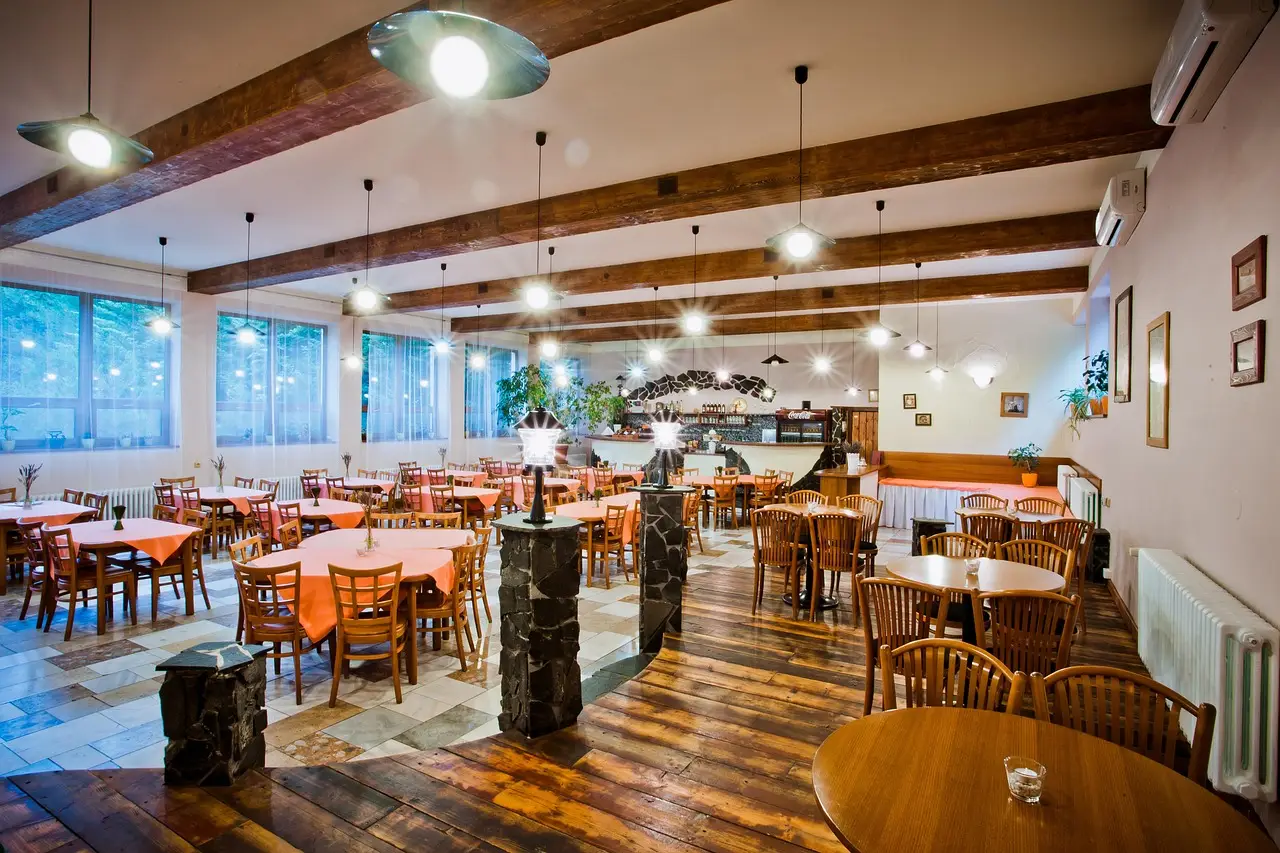
Baldi, the bar-restaurant at the Waldorf Astoria Beverly Hills, serves no breakfast and no lunch. That absence is the strategy. A growing group of luxury hotel owners has stopped asking one restaurant to feed every guest at every hour, and started building outlets with a distinct identity that draws locals as well as travelers.
The evidence is structural, not anecdotal. At the Four Seasons Miami, NUNA concentrates on dinner while a separate outlet, Edge, covers breakfast and lunch. At the Salamander in Washington, chef Kwame Onwuachi's Dōgon operates five evenings a week and no more. Each property has split the feeding job across outlets rather than stretching one kitchen across the day.
What changed in the hotel dining model?
Skift's Colin Nagy, who writes on customer-centric experiences across the luxury sector, traces the idea to its origins. Around 1890, César Ritz and Auguste Escoffier took over the Savoy hotel in London and made its dining room the reason the hotel stood out. High-society women rarely ate in public then. Ritz set out to change that. He adjusted lampshades until the light turned a flattering apricot, hired an orchestra for weekend nights, and insisted on evening dress. Escoffier supplied reasons to return, creating Peach Melba for Nellie Melba and getting frogs' legs past the Prince of Wales by calling them nymphs' thighs.
For eight years, the dining room outshone the hotel around it. Then success went to their heads. The Savoy fired both men in 1898 over missing wine and supplier kickbacks. Owner Richard D'Oyly Carte complained that they had "forgot they were servants." Three months later, the pair opened the Hôtel Ritz in Paris. The episode is the standing caveat in this model: a destination restaurant built on a strong operator can grow larger than the property that houses it, and the relationship can end badly.
Why did hotel kitchens become utilities?
Nagy argues hotel restaurants later drifted into something closer to infrastructure. The kitchen became a Swiss Army knife covering early breakfast, business lunch, late dinner and midnight room service. The menu was written to offend nobody. That approach serves occupancy but gives locals no reason to visit, and it prices a chef's creativity at roughly zero.
The current shift reverses the logic. The headline restaurant is separated from daily guest feeding. Owners accept that some outlets cover the unglamorous dayparts while the flagship builds its own name. The payoff, per the article, is social gravity: repeat local visits, cultural relevance and business value that has little to do with occupancy upstairs.
How are owners choosing operators now?
The selection criteria have moved. Owners now favor operators who arrive with a community of regulars over famous-chef prestige alone. The Waldorf Astoria Beverly Hills is the case in point. It replaced Jean-Georges's first West Coast restaurant with a local restaurant dynasty — a swap that trades a global name for a built-in local following.
That choice carries a cost the article states plainly: freedom. Owners must hand restaurateurs the license to build the place on their own terms. An operator with a loyal base will not run a menu designed by committee. The trade is control for relevance.
The Skift take is blunt about the smart play: give chefs and operators the freedom to create places with their own character and following, rather than trying to serve every guest at every hour.
What is not said?
The piece does not publish the numbers that would settle the argument. No check averages, no covers, no revenue split between local and hotel guests, no lease or licensing terms for the operators. Every benefit claimed — repeat visits, cultural relevance, business value — rests on positioning rather than disclosed performance. Readers should treat the trend as real but unquantified.
The Savoy precedent cuts both ways. A restaurant strong enough to draw locals is strong enough to leave. Dōgon runs five nights a week because Onwuashi's terms allow it, not because the hotel needs fewer covers. Expect more owners to accept partial dayparts and operator independence as the price of a dining room that competes outside the building — and expect a few of those relationships to test the Ritz lesson.
More from Marcus Bennett
Show full bio
Market editor covering technology and product news in Restaurant and hotel operations at The Pass Brief.
712 articles