Hotel Marcel's 165 Rooms Show How Non-Room Assets Drive Value
Hotel Marcel's 165-room conversion of Marcel Breuer's 1967 Pirelli building anchors a framework pushing operators to apply TRevPAR discipline and a four-question test to underused spas, terraces and lawns.

Hotel Marcel in New Haven, Connecticut, packs a 165-room hotel, restaurant, gallery and meeting facilities into the former Pirelli building — a modernist tower designed by Marcel Breuer in 1967 — and its conversion is the clearest argument in a growing push to treat hotel real estate as more than a shell for guestrooms.
The example sits at the center of a new framework for asset strategy that asks operators to redeploy spaces they have already designed, built, maintained and staffed — the restaurant quiet for hours each afternoon, the spa with empty treatment rooms between peaks, the terrace used only for breakfast, the lawn hosting events on a handful of weekends per month.
The commercial logic is arithmetic. A guest who books a room may also use the restaurant, spa, fitness facilities and meeting spaces; another guest spends little beyond the room rate. Both stays count equally in occupancy figures, but their total value to the property differs sharply.
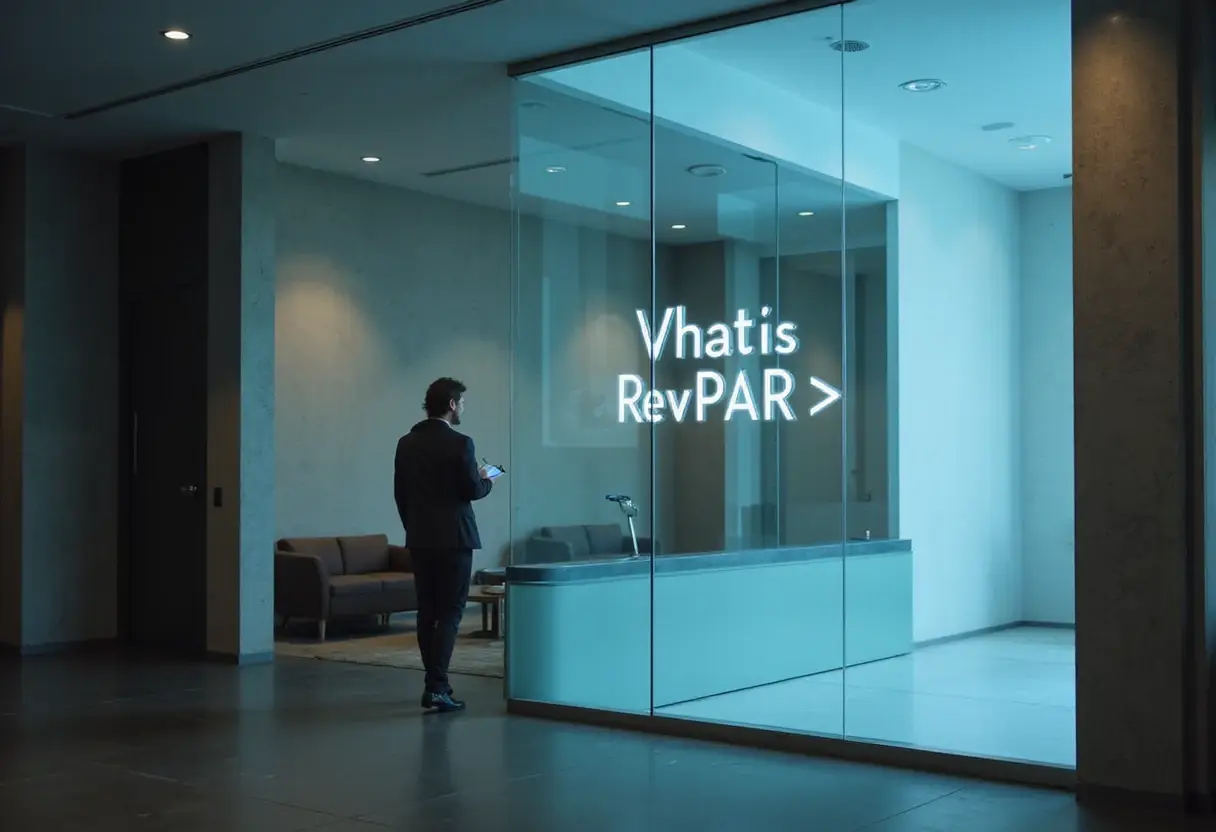
That gap is where total revenue per available room, or TRevPAR, enters. The metric pulls revenue from every department into one performance view, and operators are beginning to treat it as the real measure of whether a property's spaces match how guests actually use them.
Why an empty space is not automatically an opportunity
The framework's first discipline is diagnostic, not promotional. Before adding a concept, operators must answer why a space is underused: no demand at that hour, poor access, weak guest awareness, an unclear offer, a disconnect with the hotel's positioning, or an operating model that blocks usage.
A spa with low afternoon utilization may need none of the usual fixes. Better coordination with the front office, sharper pre-arrival communication, or an experience built for checked-out guests waiting before departure can fill the slot without touching the treatment menu.
A lawn may need a carefully designed program for quiet periods rather than a permanent event structure. Hotels should not create new products simply to fill space, the argument runs; they should identify a genuine guest need and then test whether an existing asset can serve it.
The planning process inverts accordingly. Operators stop asking how to sell more spa treatments and start asking what a guest wants to do between breakfast and an afternoon departure.
What the repositioning playbook looks like
The guest-first approach produces different concepts by property type:
- An urban hotel turns a quiet meeting room into a small, hosted local business gathering during low corporate-demand hours.
- A resort converts an underused garden into a guided nature walk or private dining setting.
- A heritage hotel builds a hosted storytelling experience around an architectural feature or historic room.
Fit is the constraint. Luxury guests rarely value an activity because it has been packaged and priced; they value it when it feels considered, relevant and difficult to replicate elsewhere.
Four questions before any investment
The framework sets a four-part test a hotel team must pass before launching a new experience:
- Does it fit the guest? A concept without a clear audience — leisure, corporate, family or local — is unlikely to sustain demand.
- Does it fit the brand? A luxury resort, an urban business hotel and a heritage property should not run identical programming.
- Does it fit the space and the time? A restaurant quiet in the afternoon has an opening, but not if the changeover adds pressure before dinner service.
- Does the operating model make sense? Additional revenue must justify the training, staffing, equipment and coordination required to deliver the experience consistently.
The test guards against a common failure mode: launching an attractive concept the hotel cannot deliver reliably.
Measure more than bookings
Once an experience goes live, the framework requires metrics beyond headcount and revenue:
- Utilization by time of day
- Revenue per usable hour or square foot
- Contribution after direct operating costs
- Participation by in-house guests
- Effect on other departments
Guest feedback matters equally: whether the experience improved the stay, created a reason to stay on the property, strengthened the hotel's identity, and whether the guest would choose it again.
The trade-offs run both directions. A modest-revenue experience can still support the wider value proposition, while a popular activity can be commercially unattractive if it demands disproportionate staffing or displaces a more profitable use of the space. The objective is not to monetize every corner but to make better decisions about how the property is used.
What does this change for operators? The discipline hotels have spent years refining in room distribution, pricing and revenue management now extends to the rest of the building — starting, in many cases, with assets that already exist rather than new construction.
More from Elena Vasquez
Show full bio
News editor covering people, launches and day-to-day practice in Restaurant and hotel operations at The Pass Brief.
819 articles