Hotel Equities Guests Now Buy One $20 Cocktail, Not Three
Hotel Equities' John Mootz on one-cocktail visits, GLP-1-era portions, sourcing elk in Alaska, capital cases for 2027 refreshes — and why robots stay out of the bar.
Guests at Hotel Equities properties still pay $18 to $22 for a cocktail — they just skip the second and third rounds that were standard before the pandemic. That shift, which the company's vice president of restaurant and beverage operations calls the most dramatic change in guest behavior of his career, is rewriting how the operator engineers menus, trains bartenders and defends margins across a portfolio of hundreds of hotels.
John Mootz runs food and beverage for Hotel Equities, a manager, equity holder and employer across the United States, Hawaii, Alaska, Canada and the Caribbean and Latin America. The company merged with Springboard Hospitality in 2025; Springboard now serves as its lifestyle division, where Mootz spends much of his time alongside the full-service division.
"We are a business first," Mootz said in conversation with Adam Mogelonsky. The rest of the strategy follows from that line.
What does one-drink drinking change for the P&L?
Not as much as you'd think on check averages. Mootz is not seeing checks drop sharply. What moves is the mix: appetizers and split entrées take a larger share, and portions shrink overall.
GLP-1 medications are visibly reshaping orders. Guests split dishes or choose smaller plates, especially at bars and in lounges, where the setting is casual and social. Mootz's rule for menus: offer options guests feel comfortable with.
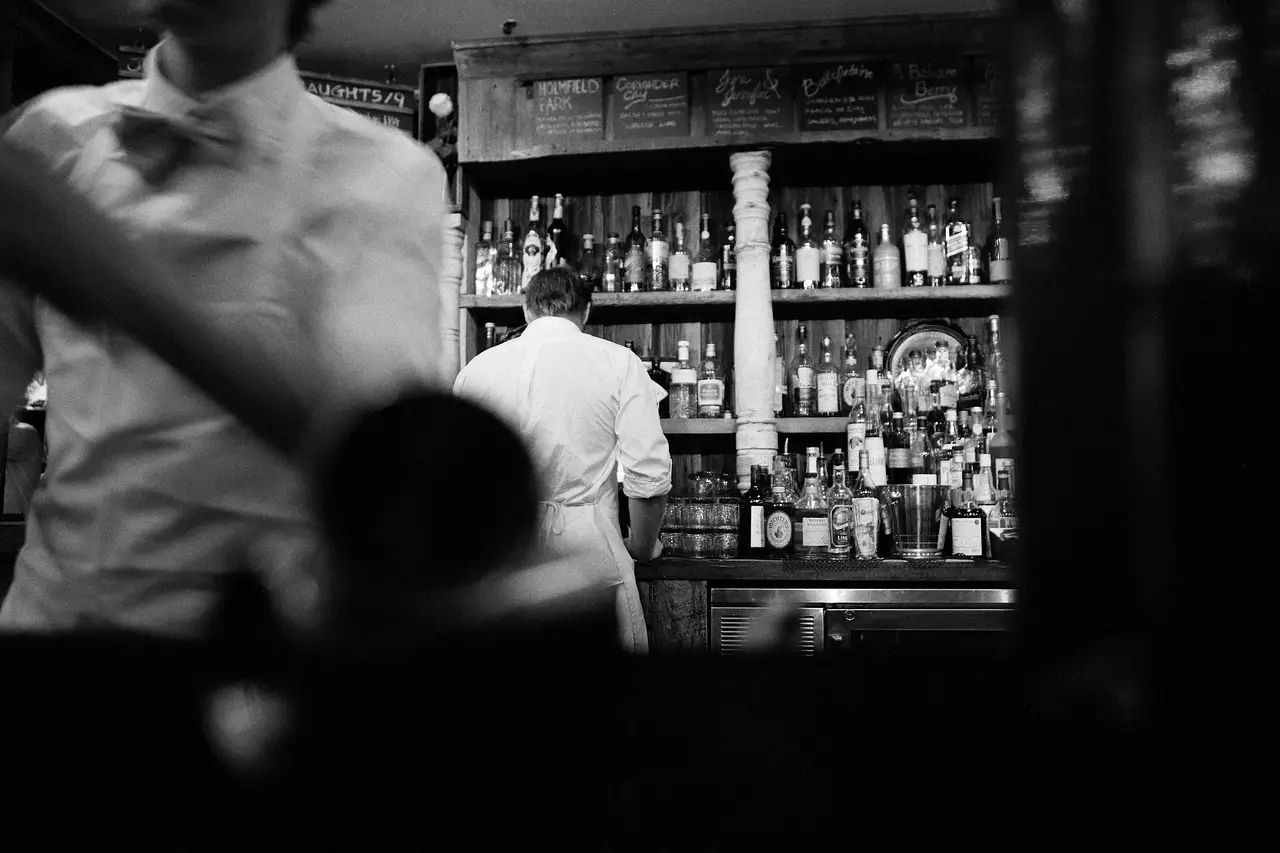
Alcohol follows the same curve. Guests drink less, wine drinkers order fewer glasses, and menus now carry low-alcohol wines and non-alcoholic cocktails. The response is to make the single drink count — one drink means one impression, so presentation and storytelling standards rise. Every hotel carries signature cocktails built for its market, a version of a punch, and mixologists to execute them. "If they are spending that twenty-dollar cocktail, they better say, that is a darn good cocktail," Mootz said.
How does a 350-key property go local?
A hotel restaurant in Hawaii should feel Hawaiian. One in Anchorage should serve elk and venison. One in El Paso should be built around steak and tequila. That is the principle across the portfolio, scaled by brand flexibility: limited-service hotels follow brand standards, while soft brands and lifestyle flags — including Marriott's Autograph Collection — leave room to develop concepts.
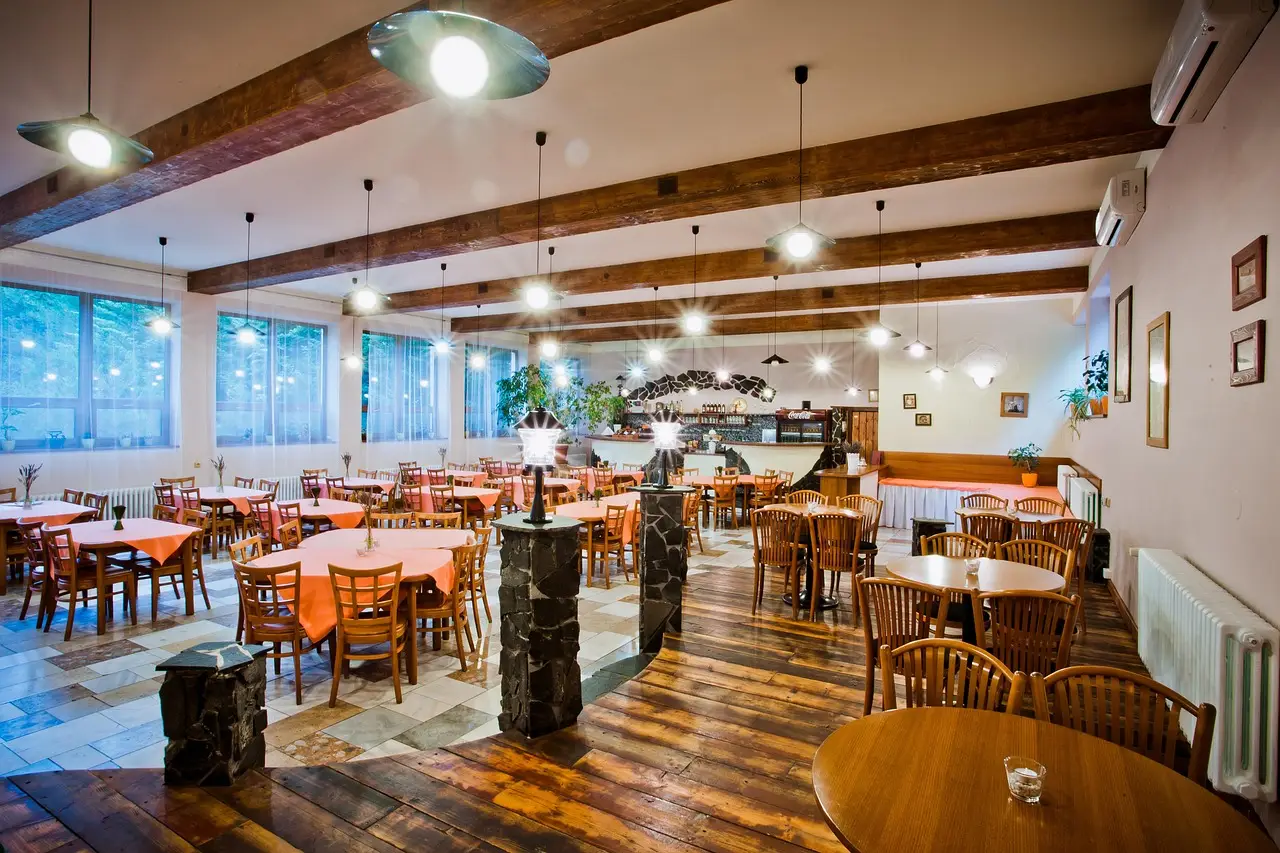
Mootz's flagship example is a 350-key hotel in El Paso, Texas, with roughly eight outlets, each curated for a specific experience, from a steakhouse to a tequila tasting room. Food is the simpler half; beverage allows more artistic license, which is why cider still sells big in the Pacific Northwest and almost nowhere else.
Local sourcing has a price, and Mootz is direct about it. At the Wildbirch Hotel in Anchorage, a JdV by Hyatt property, chefs can put venison stew, elk and bison on the menu even though product is hard to source in Alaska. In Omaha, the equivalent hunt is for the right steak purveyor. Hotels buy through a cooperative program, but chefs get room to work the local market. The counterweight is control: the company analyzes cost of goods, menu mix and menu engineering, tolerates the occasional one-off, and remembers that guests will only pay so much while protein prices run high.
A mentor from his Puccini Group days in San Francisco gave Mootz his governing phrase: be bold, be smart. Bold means giving guests something different. Smart means the planning — new concepts carry costs from capital to retraining line cooks and bartenders, so every initiative starts with what the team will do, what return it expects and how it affects the guest, worked through with revenue management, marketing and finance. "Do they all work? No. But we like to think that we are giving it our best shot," he said.
Who pays for the refresh?
Refreshes are harder than new builds. A new concept means surveying the market and testing. A refresh means a capital case to ownership or the asset manager, built on what works, what doesn't and the expected return, including a rate uptick — and with 2027 planning under way, that means capital requests now. It also means construction, a closure and inconvenienced guests.
Mootz wants in at the design stage, looking at footprints and workflow from an operating angle, a perspective he says sometimes gets missed. He is working on a project in Grenada and two properties in Vancouver with designers and asset managers. When the conversation drags, the team states its recommendation outright, and people usually accept it.
Food and beverage earns its place commercially too. In lifestyle hotels, Mootz calls it the umbrella over the guest experience — supporting the room rate and drawing locals — which is why it has to be delivered. He still greets guests in the lobby on busy check-in days. "Here is my card, I am here through your two to three day experience."
Robots, celebrity chefs and the next five years
Mootz saw robots at the National Restaurant Association show in Chicago — one made a good cappuccino, flipped a burger and dropped a basket of fries. He expects robotic workers in restaurants and hotels within five years once economies of scale arrive. The company's HE Labs division is testing technology that returns service for guests and value for owners, so far in rooms and cleaning, not food. He does not expect a robot in his own operations in that window. A bartender's job is half mixology and half psychology. "I just cannot see that guest experience and that interaction ever going away," he said.
Celebrity chefs operate on the owner's terms. A couple of properties are working with one on menu development and concepting; Mootz's preference is in-house concepting, but the company manages third parties when owners or asset managers want that direction.
Talent retention leans on portfolio scale. Seasonal properties let team members move from the desert when summer business slows; a management development program supports sommelier and Cicerone certifications — one colleague finished a sommelier exam weeks ago. The pitch to ambitious staff: "You mean to tell me I may have the opportunity to go down to Grenada and open a new hotel on a very small island, and I have never done that before?"
His five-year outlook is a crossroads. The basics matter more than ever — trained teams, correct execution, clean facilities, right uniforms. The West Hollywood cluster of four Hotel Equities hotels shows the principle: each bar and rooftop should deliver a distinct neighborhood experience, with technology supporting it, not replacing it. "The restoration of the basics is never going to go away, and the smart operator knows how to leverage the data to enhance the guest experience," Mootz said.
More from Daniel Okafor
Show full bio
Correspondent covering companies, deals and strategy in Restaurant and hotel operations at The Pass Brief.
794 articles