Hong Kong is converting hotel rooms into student housing
Hong Kong is converting hotel rooms into student housing. Yahoo carried the headline without operator names or unit counts. The math trades nightly ADR for semester leases, with capex the open variable.
By Rebecca Stone
Hong Kong is converting hotel rooms into student dormitories, a pivot that swaps nightly ADR (average daily rate, the industry's standard revenue-per-room metric) for term-cycle bed leases.
The story, carried by Yahoo News Singapore, included no operator names, no unit counts, and no opening dates. As filed, the program functions more as a regulatory signal than a verified capex (capital expenditure) model. Three questions will determine whether the math closes.
What does the conversion cost the operator?
Hotels earn more per square foot than dormitories, on paper. Central Hong Kong room rates have historically outpaced purpose-built student housing on a per-night basis. Annualized, the gap stays wide.
That comparison ignores volatility. Hotels run on occupancy shocks, seasonal travel swings, and group business that can evaporate overnight. Student beds fill once per academic year and hold for nine to twelve months.
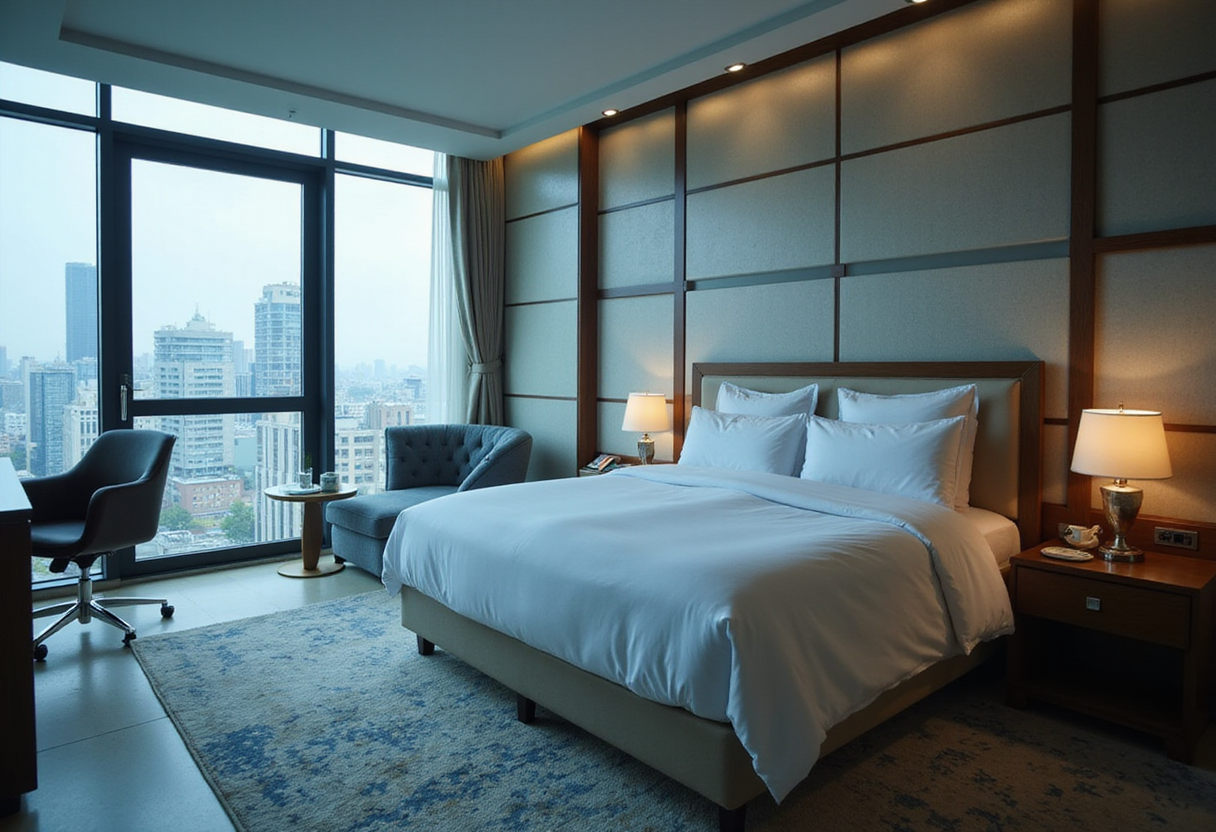
For the operator, the trade is occupancy certainty for revenue ceiling. Capital cost is the swing factor. Converting a room into a dorm-style bed means removing the minibar, blocking twin configurations, reconfiguring the bathroom, and replacing daily housekeeping with weekly cleaning. Each line item extends payback. Government subsidy terms — where they exist — make or break the math.
Why is Hong Kong turning to hotels now?
The city's universities have not kept pace with demand for several years. International enrollment has expanded. Private dormitory supply remains constrained by land cost, since purpose-built student housing rarely pencils out at Hong Kong land prices. Hotel occupancy, meanwhile, has wobbled through pandemic-era disruptions and the subsequent business-travel reset. Rooms sat empty enough to make regulators listen.
The conversion is a regulatory shortcut. Faster than building new dormitories from the ground up. Cheaper than letting hotel inventory sit vacant. Politically, the framing is easy to defend.
How does the F&B side absorb the change?
Attached F&B (food and beverage) outlets face a different calculus. Hotel restaurants depend on transient guests, banqueting, and high-margin minibar revenue. Student-population F&B is volume-led, lower check average, higher throughput. Operators will need to re-engineer menus toward price points students can absorb weekly.
A property that ran breakfast buffets at premium pricing will not survive on a student base paying dorm-meal rates. The cost-of-goods ratio must reset. So must labor scheduling, since dorm-meal demand clusters around a few predictable windows rather than running across three meal periods.
What to watch
The opening dates, participating brands, and rental terms will tell the rest of the story. Until those land, the conversion sits between a regulatory announcement and an unresolved P&L (profit and loss statement). The Pass Brief will track unit economics as they emerge.
More from Rebecca Stone
Show full bio
Senior reporter covering technology and product news in Restaurant and hotel operations at The Pass Brief.
332 articles